
Equinor Bags Contract to Supply Gas to Germany for 15 Years
Equinor has entered a 15-year commitment to provide natural gas to Uniper, solidifying Norway's role as a primary energy provider for German markets.
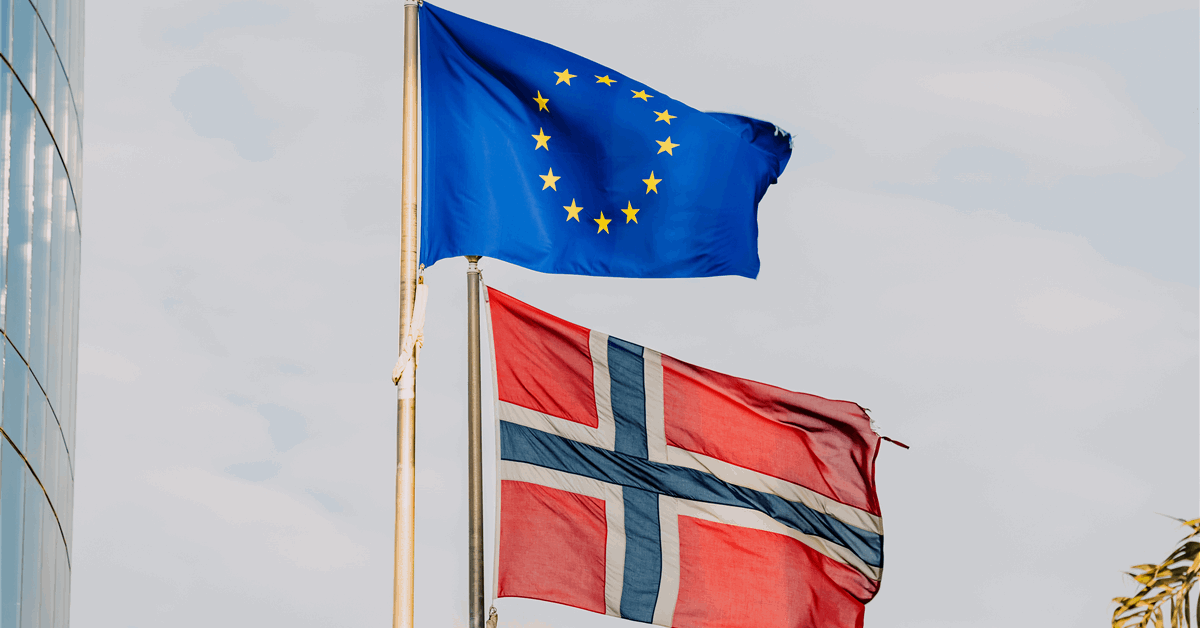
Norwegian energy firm Equinor has finalized a long-term contract with Uniper to deliver significant volumes of natural gas to Germany over a fifteen-year period. According to a report by Rigzone, the agreement involves the annual transfer of approximately 2.8 billion cubic meters of gas. These supplies are scheduled to begin at the start of 2027 and will be distributed through the German market's central trading hub.
Beyond the immediate fuel deliveries, the two companies have signed a letter of intent to investigate the sale of environmental attributes tied to these gas supplies. Uniper leadership noted that this collaboration is intended to bolster the security of the European energy system. Michael Lewis, Uniper's chief executive, described the deal as a "strong signal for the future of Europe's energy system."
This arrangement follows another major export deal for Equinor involving the Polish energy group ORLEN. Under that separate three-year contract, the Norwegian producer will supply over nine million metric tons of crude oil annually to refineries located in Poland, Czechia, and Lithuania. The oil will primarily be sourced from the Johan Sverdrup field, with provisions to include other grades from the Norwegian continental shelf.
Editorial Desk — Trade Flow Insight. Reporting and market notes compiled by the Trade Flow Insight editorial team.
Related coverage

Europe Braces for a Winter Energy Crisis as Gas Reserves Run Low
After months of elevated energy prices, Europe can expect fuel costs to continue rising through the winter months as demand grows. Ongoing energy trade constraints and threats to energy infrastructure across the Middle East are expected to limit global energy supplies and continue to drive up prices, hitting consumers hard unless governments intervene. The European Union (EU) is thought to have paid an additional €100 billion on oil and gas so far this year, prompting EU ministers to seek ways to manage the impact of high fuel prices. Since…

Oil Advances Amid War and Hurricane Risks
Oil prices edged higher as Middle East tanker attacks and Hurricane Isaias heightened supply concerns.

Australia to Release Final Plan to Keep More LNG at Home
Australia is set to unveil the final version of a controversial plan to force liquefied natural gas producers to reserve as much as a fifth of their output for local buyers.