
U.S. Oil Rig Count Rises as Gas Rig Activity Declines
Recent Baker Hughes data indicates a stagnant total U.S. rig count as gains in the oil sector were offset by a reduction in gas drilling activity.
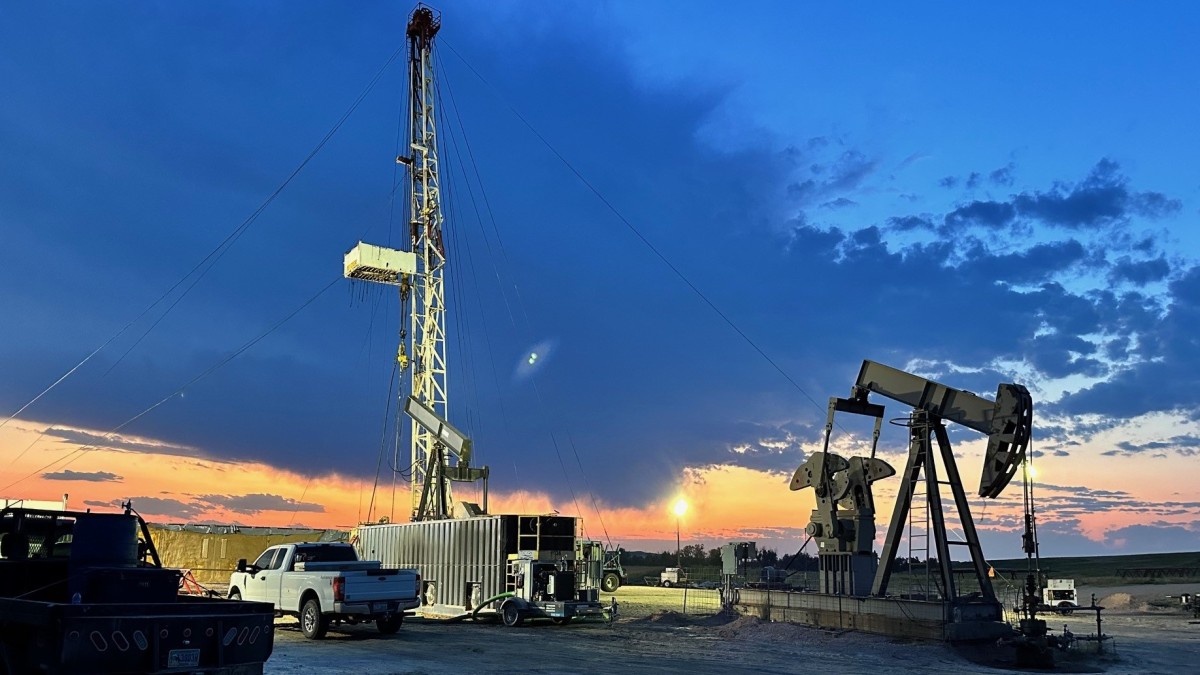
According to reports from OilPrice.com, the total count of active oil and gas drilling units in the United States remained unchanged at 588 this week. While the overall number held steady, the underlying data shows a shift in focus between commodities. The domestic oil rig count climbed by two to reach 449, while the gas sector saw a corresponding decline of two units, bringing that total down to 130.
Despite the flat weekly performance, drilling activity remains significantly higher than the previous year's levels. The current total of 588 rigs represents an increase of 51 units compared to the same period in the prior year. Regional data highlighted growth in the Permian Basin, where the count rose by one to 268, while activity in the Eagle Ford formation remained stable with 50 rigs in operation.
Production figures from the EIA show that U.S. crude output grew to an average of 13.862 million barrels per day during the week ending August 28. This upward trend in extraction comes as well completion activity declined, with Primary Vision reporting that the Frac Spread Count fell by four to 180 crews. Commodity prices for both Brent and WTI saw slight decreases prior to the release of these figures.
Helena Marsh — Energy Markets Editor. Helena covers crude, refined products and the trading houses that move them, with a focus on price formation in the Mediterranean and Black Sea.
Related coverage

Europe Braces for a Winter Energy Crisis as Gas Reserves Run Low
After months of elevated energy prices, Europe can expect fuel costs to continue rising through the winter months as demand grows. Ongoing energy trade constraints and threats to energy infrastructure across the Middle East are expected to limit global energy supplies and continue to drive up prices, hitting consumers hard unless governments intervene. The European Union (EU) is thought to have paid an additional €100 billion on oil and gas so far this year, prompting EU ministers to seek ways to manage the impact of high fuel prices. Since…

Oil Advances Amid War and Hurricane Risks
Oil prices edged higher as Middle East tanker attacks and Hurricane Isaias heightened supply concerns.

Australia to Release Final Plan to Keep More LNG at Home
Australia is set to unveil the final version of a controversial plan to force liquefied natural gas producers to reserve as much as a fifth of their output for local buyers.