
Middle East Chemicals Keep Their Cost Edge Despite Hormuz Crisis
Middle Eastern chemical producers are expected to maintain their global market dominance through low-cost production despite ongoing supply disruptions in the Strait of Hormuz.
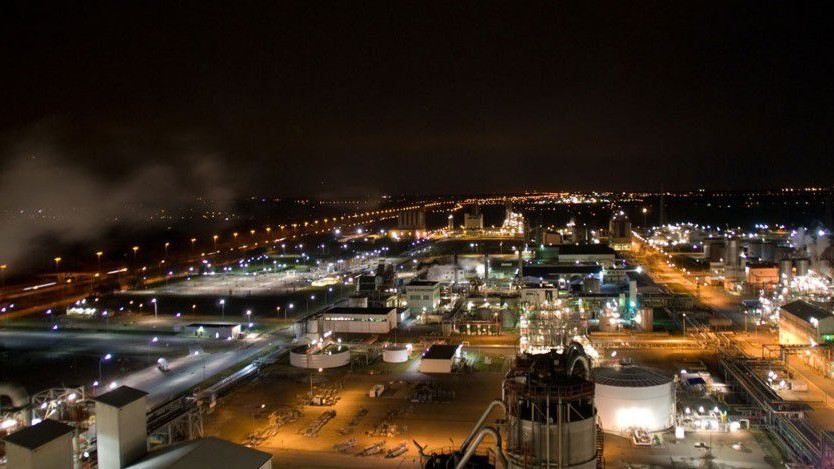
According to OilPrice.com, industrial producers in the Middle East are maintaining a competitive edge in the global chemicals market despite ongoing regional conflict and shipping constraints in the Persian Gulf. Although current geopolitical tensions have caused short-term sourcing shifts toward American suppliers, the Middle East's extensive production infrastructure and inexpensive naphtha supplies ensure its long-term viability. Analysts suggest that the region's low pricing continues to be the primary factor for international buyers.
Data from International Trader Publications indicates that the Middle East remains the top global exporter of polyethylene, representing 43% of the world's total exports last year. While North American firms have stepped in to fill supply gaps during the current crisis, industry experts from firms like BASF believe the Gulf's structural advantages are difficult to replace. Most customers view current diversification strategies as a temporary safeguard rather than a permanent move away from Middle Eastern materials.
The regional conflict has significantly impacted shipping volumes, with total export volumes falling sharply since the start of the year. However, polymer exports have proved more resilient than other commodities like LNG or ammonia. United Nations data shows that while overall shipments crashed, propylene polymer exports experienced a comparatively smaller decline. This resilience, combined with soaring global plastic prices, has allowed the Middle East to remain a critical pillar of the international petrochemical supply chain.
American companies have seen immediate financial benefits from these market shifts, with Dow reporting a significant rise in quarterly sales driven by higher polyethylene pricing. While Asian and European manufacturers struggle with high energy costs and feedstock shortages, U.S. producers are leveraging secure local supplies to capture market share. Despite these gains for Western firms, the fundamental cost advantage of the Middle East is expected to persist once logistics through the Strait of Hormuz stabilize.
Helena Marsh — Energy Markets Editor. Helena covers crude, refined products and the trading houses that move them, with a focus on price formation in the Mediterranean and Black Sea.
Related coverage
Brent Hits $114 as Houthi Attacks Threaten Saudi Energy Infrastructure
Crude oil prices were on course to book a sharp weekly gain, with Brent crude on track for gains of about $6 per barrel and WTI registering a much more modest tick higher, from around $99 per barrel on Monday to over $100 earlier today. At the time of writing, Brent crude was trading at $114.00 per barrel, and West Texas Intermediate was changing hands for $100.40 per barrel, as hostilities in the Middle East remain front-page news for oil traders. The focus, however, seems to be on Houthi attacks on Saudi infrastructure, including Aramco facilities.…

Why Trump Can't Afford to Lose The Rare Earth Race
For years, the West has searched for a technological escape hatch from rare earths. Engineers have developed new motor designs, alternative magnet chemistries, and materials that reduce or even eliminate the need for some critical minerals. Every time China tightens export controls, those efforts receive another burst of attention. They're worth pursuing. But they don't answer the question manufacturers have to solve today. Production capacity has become the number one scarce asset. That realization is driving one of the most ambitious industrial…
Texas Researchers Say Permian Wastewater Could Cool AI Data Centers
The artificial intelligence boom is placing a dangerous strain on the world’s water and energy resources. As hyperscalers build up resource-hungry data centers at a breakneck pace, demand projections for these finite resources are skyrocketing faster than policymakers can keep pace. But a new study from researchers at the University of Texas at Austin suggests that there may be a way to sustainably source water for data centers by using wastewater from the oil and gas industry. The water and energy use of AI data centers is enormous…