
U.S. Oil Rig Count Rises as Gas Rig Activity Declines
Recent Baker Hughes data indicates a stagnant total U.S. rig count as gains in the oil sector were offset by a reduction in gas drilling activity.
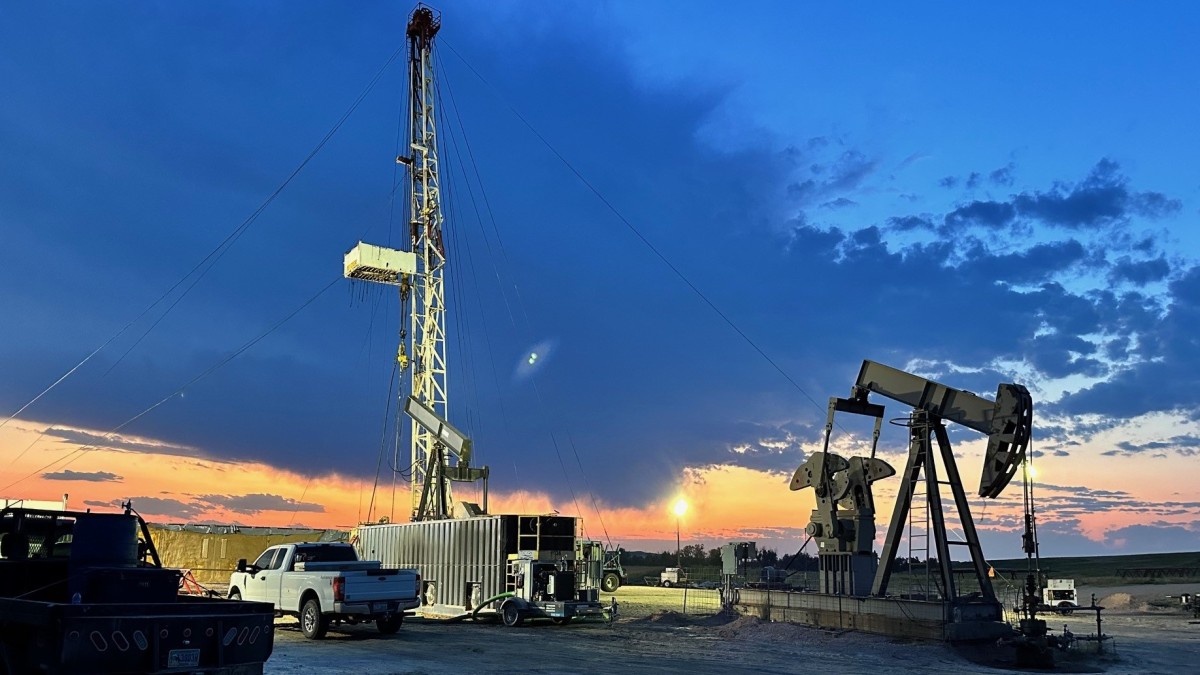
According to reports from OilPrice.com, the total count of active oil and gas drilling units in the United States remained unchanged at 588 this week. While the overall number held steady, the underlying data shows a shift in focus between commodities. The domestic oil rig count climbed by two to reach 449, while the gas sector saw a corresponding decline of two units, bringing that total down to 130.
Despite the flat weekly performance, drilling activity remains significantly higher than the previous year's levels. The current total of 588 rigs represents an increase of 51 units compared to the same period in the prior year. Regional data highlighted growth in the Permian Basin, where the count rose by one to 268, while activity in the Eagle Ford formation remained stable with 50 rigs in operation.
Production figures from the EIA show that U.S. crude output grew to an average of 13.862 million barrels per day during the week ending August 28. This upward trend in extraction comes as well completion activity declined, with Primary Vision reporting that the Frac Spread Count fell by four to 180 crews. Commodity prices for both Brent and WTI saw slight decreases prior to the release of these figures.
Helena Marsh — Energy Markets Editor. Helena covers crude, refined products and the trading houses that move them, with a focus on price formation in the Mediterranean and Black Sea.
Articole similare

Europa se pregătește pentru o criză energetică pe timp de iarnă, pe măsură ce rezervele de gaze scad
După luni de prețuri ridicate la energie, Europa se poate aștepta ca aceste costuri să continue să crească pe parcursul lunilor de iarnă, pe măsură ce cererea crește. Restricțiile continue în comerțul cu energie și amenințările la adresa infrastructurii energetice din Orientul Mijlociu sunt de natură să limiteze aprovizionarea globală și să continue să impulsioneze prețurile, afectând puternic consumatorii, cu excepția cazului în care guvernele intervin. Se estimează că Uniunea Europeană (UE) a plătit în plus 100 de miliarde de euro pentru petrol și gaze în acest an, ceea ce a determinat miniș

Petrolul avansează pe fondul riscurilor de război și uragane
Prețurile petrolului au crescut ușor, pe măsură ce atacurile asupra petrolierelor în Orientul Mijlociu și uraganul Isaias au amplificat îngrijorările privind aprovizionarea.

Australia va publica planul final pentru a păstra mai mult GNL pe plan intern
Australia urmează să dezvăluie versiunea finală a unui plan controversat care obligă producătorii de gaze naturale lichefiate să rezerve până la o cincime din producția lor pentru cumpărătorii locali.