
A Subdued Asian Summit Sharpens the Contrast Between Xi and Trump
Chinese leader Xi Jinping maintained a low profile at the recent Shanghai Cooperation Organization summit in Bishkek, emphasizing Beijing's role as a stable alternative to Western diplomacy.

The most recent Shanghai Cooperation Organization (SCO) summit in Bishkek was characterized by a lack of major announcements or viral moments, according to a report from OilPrice.com. Observers noted that the event was unusually quiet compared to previous meetings, with few headlines generated by Chinese President Xi Jinping. Instead of high-profile agreements, the summit proceedings focused on projecting an image of regional stability and diplomatic continuity among the participating member states.
Analysts suggest the understated tone was intentional, allowing China to present itself as a reliable global actor in contrast to the perceived volatility of United States foreign policy. While the U.S. manages trade disputes and shifting military commitments, Beijing used the SCO platform to highlight its adherence to international norms. Experts cited by OilPrice.com noted that China’s predictable behavior serves as a strategic counterpoint to the current diplomatic friction seen within Western alliances.
Energy trade remains a central pillar of these regional relationships. China has increasingly supported the economies of its neighbors through significant oil and gas purchases, particularly from Russia. Furthermore, Beijing has begun addressing fuel shortages in Central Asia caused by regional supply disruptions. The first shipments of Chinese fuel oil arrived in Kyrgyzstan recently, and Tajikistan is reportedly engaged in similar negotiations to secure energy supplies from the Chinese government.
Despite the display of unity, the summit revealed underlying tensions and a lack of substantive action on major global conflicts. While leaders discussed theoretical progress on a regional development bank and security initiatives, some participants expressed frustration over the organization's restraint. Representatives from Belarus and Iran specifically urged the SCO’s most powerful members—China, India, and Russia—to take more decisive steps toward establishing a multipolar world order rather than just maintaining the status quo.
Helena Marsh — Energy Markets Editor. Helena covers crude, refined products and the trading houses that move them, with a focus on price formation in the Mediterranean and Black Sea.
Схожі матеріали
Brent досяг $114 на тлі загрози нападів хуситів на енергетичну інфраструктуру Саудівської Аравії
Ціни на сиру нафту були на шляху до значного тижневого зростання: Brent мала набрати близько $6 за барель, а WTI продемонструвала значно скромніше зростання — з близько $99 за барель у понеділок до понад $100 сьогодні вранці. На момент написання статті нафта Brent торгувалася по $114,00 за барель, а West Texas Intermediate — по $100,40 за барель, оскільки бойові дії на Близькому Сході залишаються головною темою для нафтових трейдерів. Проте основна увага, здається, зосереджена на атаках хуситів на інфраструктуру Саудівської Аравії, включаючи об'єкти Aramco.
Чому Трамп не може дозволити собі програти гонку рідкісноземельних металів
Протягом багатьох років Захід шукав технологічний вихід із залежності від рідкісноземельних металів. Інженери розробили нові конструкції двигунів, альтернативні хімічні склади магнітів та матеріали, що зменшують або навіть виключають потребу в деяких критично важливих мінералах. Щоразу, коли Китай посилює експортний контроль, ці зусилля отримують новий сплеск уваги. Вони варті того, щоб їх реалізовувати. Але вони не вирішують питання, яке виробники мають розв'язати сьогодні. Виробнича потужність стала найдефіцитнішим активом номер один. Це усвідомлення стимулює один із найамбітніших промислови
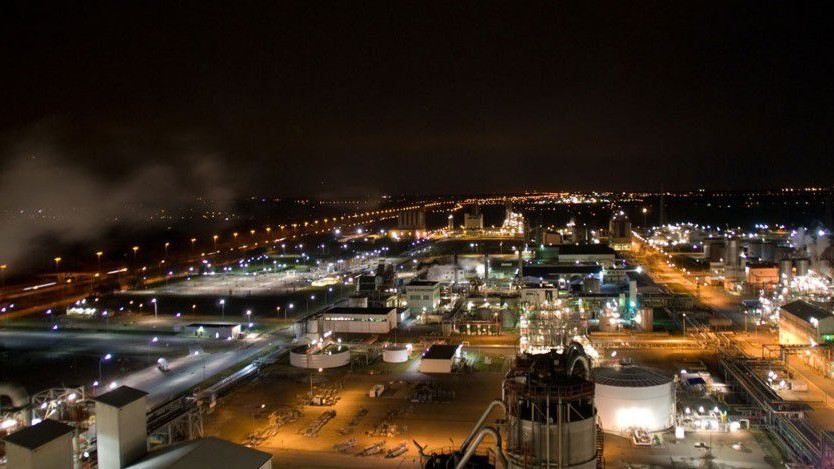
Хімічна промисловість Близького Сходу зберігає перевагу в собівартості попри кризу в Ормузькій протоці
Попри війну з Іраном та кризу в Ормузькій протоці, низька собівартість виробництва хімікатів на Близькому Сході дозволить регіону зберегти свою довгострокову перевагу над іншими регіонами. Короткострокові зміни в джерелах постачання полімерів відбуваються через нинішні обмеження промислової бази Перської затоки, що йде на користь хімічним компаніям США. Проте в довгостроковій перспективі Близький Схід, ймовірно, збереже свою базу покупців, оскільки все ще володіє двома важелями конкурентоспроможності на світовому ринку — розгалуженою виробничою базою і, перш за все, низькими витратами...