
Can Trump Isolate Iran Without Triggering a Clash With China?
The Trump administration launched a new campaign to isolate Iran financially, risking a diplomatic and economic confrontation with China over its oil purchases and banking ties.
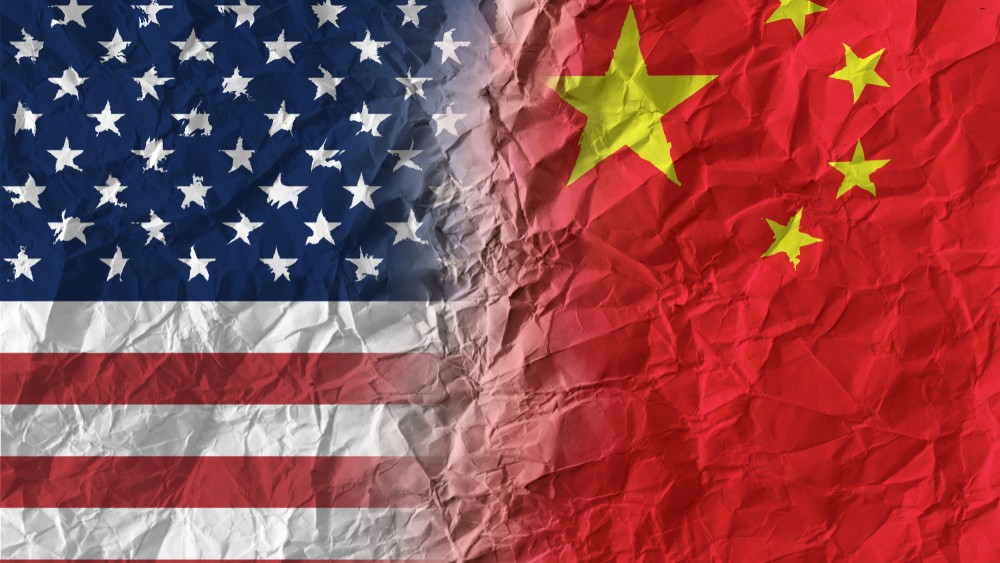
U.S. Treasury Secretary Scott Bessent has introduced a new initiative called Operation Economic Outcast to disconnect Iran from global commerce. According to OilPrice.com, the strategy forces foreign nations to decide between trading with Tehran or maintaining access to American financial markets. While the administration claims it has mapped out every network used to bypass existing restrictions, experts suggest the program’s success hinges on whether Washington will penalize major Chinese institutions.
The campaign faces a significant hurdle in China, which remains the primary purchaser of Iranian crude oil. Bessent noted that entities identified as violators would be given specific windows to end their prohibited relationships or lose access to the U.S. dollar system. However, imposing secondary sanctions on prominent Chinese banks could reignite a trade war just as President Xi Jinping prepares for a scheduled visit to Washington in September.
Former government officials and sanctions experts noted that the current approach serves as a public warning intended to influence behavior through diplomacy before implementing stricter measures. While some analysts believe targeting smaller, specialized banks could minimize global market disruption, others argue that meaningful pressure requires targeting larger entities. The Treasury Secretary emphasized that no organization is exempt, stating, "the clock just started ticking."
China’s embassy in Washington has expressed opposition to the plan, advocating for political dialogue rather than economic pressure. The ultimate effectiveness of the policy remains uncertain, as Tehran has a long history of utilizing front companies and shadow shipping to evade western controls. The administration appears to be using the threat of total isolation as leverage to bring Iran back to the negotiating table regarding regional security issues.
Editorial Desk — Trade Flow Insight. Reporting and market notes compiled by the Trade Flow Insight editorial team.
Схожі матеріали
Brent досяг $114 на тлі загрози нападів хуситів на енергетичну інфраструктуру Саудівської Аравії
Ціни на сиру нафту були на шляху до значного тижневого зростання: Brent мала набрати близько $6 за барель, а WTI продемонструвала значно скромніше зростання — з близько $99 за барель у понеділок до понад $100 сьогодні вранці. На момент написання статті нафта Brent торгувалася по $114,00 за барель, а West Texas Intermediate — по $100,40 за барель, оскільки бойові дії на Близькому Сході залишаються головною темою для нафтових трейдерів. Проте основна увага, здається, зосереджена на атаках хуситів на інфраструктуру Саудівської Аравії, включаючи об'єкти Aramco.
Чому Трамп не може дозволити собі програти гонку рідкісноземельних металів
Протягом багатьох років Захід шукав технологічний вихід із залежності від рідкісноземельних металів. Інженери розробили нові конструкції двигунів, альтернативні хімічні склади магнітів та матеріали, що зменшують або навіть виключають потребу в деяких критично важливих мінералах. Щоразу, коли Китай посилює експортний контроль, ці зусилля отримують новий сплеск уваги. Вони варті того, щоб їх реалізовувати. Але вони не вирішують питання, яке виробники мають розв'язати сьогодні. Виробнича потужність стала найдефіцитнішим активом номер один. Це усвідомлення стимулює один із найамбітніших промислови
Хімічна промисловість Близького Сходу зберігає перевагу в собівартості попри кризу в Ормузькій протоці
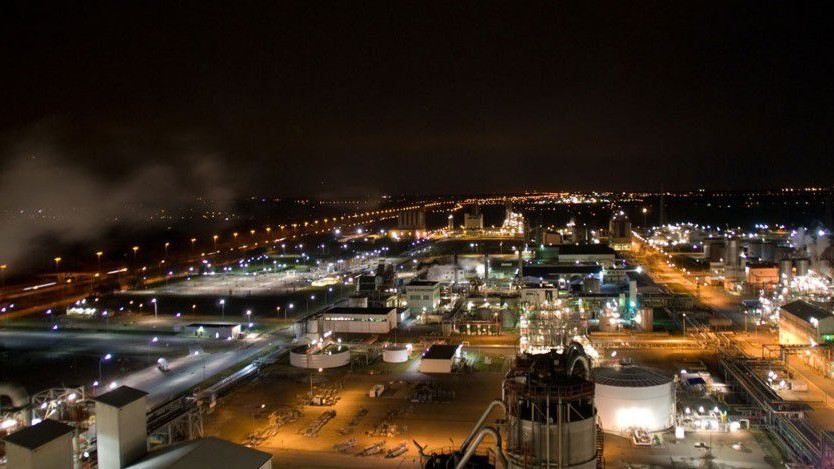
Попри війну з Іраном та кризу в Ормузькій протоці, низька собівартість виробництва хімікатів на Близькому Сході дозволить регіону зберегти свою довгострокову перевагу над іншими регіонами. Короткострокові зміни в джерелах постачання полімерів відбуваються через нинішні обмеження промислової бази Перської затоки, що йде на користь хімічним компаніям США. Проте в довгостроковій перспективі Близький Схід, ймовірно, збереже свою базу покупців, оскільки все ще володіє двома важелями конкурентоспроможності на світовому ринку — розгалуженою виробничою базою і, перш за все, низькими витратами...