
China Accounting For 19% of Global Crude Oil Trade
China remains the top single-nation crude oil importer despite a significant year-on-year volume contraction, while the European Union has overtaken it as the world's largest buying bloc.
According to data from Banchero Costa published by Hellenic Shipping News, China accounted for 19 percent of the global seaborne crude oil trade during the first eight months of 2026. While it remains the leading single-country importer, the European Union has surpassed it in total volume, claiming a 22.6 percent share of the global market. Total Chinese arrivals for this period dropped to 261.7 million tonnes, representing a sharp 20 percent decline compared to the previous year.
The shipping data highlights a major shift in China's supply chains, with Brazil becoming the nation’s primary crude exporter at 14.1 percent of total volumes. Brazil now leads ahead of Russia, which holds a 13.6 percent share, and Saudi Arabia at 13.2 percent. Direct shipments from Russia saw a significant increase of over 31 percent, whereas volumes from traditional Middle Eastern suppliers like Saudi Arabia, Iraq, and Kuwait experienced substantial year-on-year decreases.
Logistical preferences in China continue to favor large-scale tonnage, with Very Large Crude Carriers (VLCCs) transporting 76.5 percent of the country's discharged oil. Aframax and Suezmax vessels handled the remaining 17.8 percent and 5 percent respectively. Major discharge hubs included Dongjiakou, which handled 28.9 million tonnes, and Ningbo/Zhoushan with 27.7 million tonnes. Other active terminals during this eight-month window included Lanshan, Beilun, and Dalian.
Beyond China, global import trends showed mixed results across major economies. The United States saw a 5.6 percent increase in imports, reaching 85.8 million tonnes. Conversely, several Asian markets recorded downturns; shipments to Japan fell by 15.1 percent, South Korean imports dropped by 11 percent, and the ASEAN region saw a 7.6 percent decline. India also experienced a marginal decrease of 1.5 percent in its seaborne crude arrivals during the same period.
Helena Marsh — Energy Markets Editor. Helena covers crude, refined products and the trading houses that move them, with a focus on price formation in the Mediterranean and Black Sea.
Схожі матеріали
Brent досяг $114 на тлі загрози нападів хуситів на енергетичну інфраструктуру Саудівської Аравії
Ціни на сиру нафту були на шляху до значного тижневого зростання: Brent мала набрати близько $6 за барель, а WTI продемонструвала значно скромніше зростання — з близько $99 за барель у понеділок до понад $100 сьогодні вранці. На момент написання статті нафта Brent торгувалася по $114,00 за барель, а West Texas Intermediate — по $100,40 за барель, оскільки бойові дії на Близькому Сході залишаються головною темою для нафтових трейдерів. Проте основна увага, здається, зосереджена на атаках хуситів на інфраструктуру Саудівської Аравії, включаючи об'єкти Aramco.

Чому Трамп не може дозволити собі програти гонку рідкісноземельних металів
Протягом багатьох років Захід шукав технологічний вихід із залежності від рідкісноземельних металів. Інженери розробили нові конструкції двигунів, альтернативні хімічні склади магнітів та матеріали, що зменшують або навіть виключають потребу в деяких критично важливих мінералах. Щоразу, коли Китай посилює експортний контроль, ці зусилля отримують новий сплеск уваги. Вони варті того, щоб їх реалізовувати. Але вони не вирішують питання, яке виробники мають розв'язати сьогодні. Виробнича потужність стала найдефіцитнішим активом номер один. Це усвідомлення стимулює один із найамбітніших промислови
Хімічна промисловість Близького Сходу зберігає перевагу в собівартості попри кризу в Ормузькій протоці
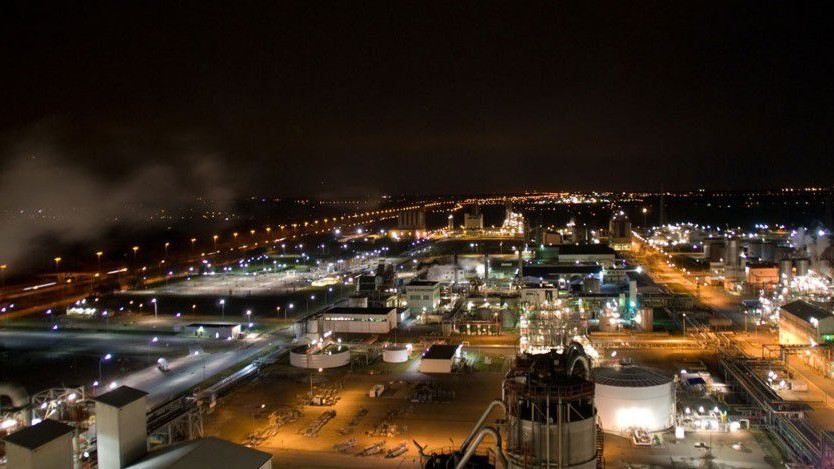
Попри війну з Іраном та кризу в Ормузькій протоці, низька собівартість виробництва хімікатів на Близькому Сході дозволить регіону зберегти свою довгострокову перевагу над іншими регіонами. Короткострокові зміни в джерелах постачання полімерів відбуваються через нинішні обмеження промислової бази Перської затоки, що йде на користь хімічним компаніям США. Проте в довгостроковій перспективі Близький Схід, ймовірно, збереже свою базу покупців, оскільки все ще володіє двома важелями конкурентоспроможності на світовому ринку — розгалуженою виробничою базою і, перш за все, низькими витратами...