
Diesel still ripping higher than the rest of the barrel; here’s why
Diesel prices are outpacing crude oil and gasoline as geopolitical conflicts, refinery capacity losses, and inventory shortages create a historic disconnect in energy markets.

Diesel prices are rising at a much faster rate than crude oil and gasoline following the start of hostilities involving Iran. According to FreightWaves, ultra low sulfur diesel prices have surged 71.5% since late February, while international Brent crude increased by 26.4%. This widening gap has pushed the price difference between refined diesel and crude to record levels, with the fuel trading at nearly double the value of the raw oil.
Energy analysts point to several global disruptions for this imbalance. Ukrainian drone strikes have significantly damaged Russian refineries, which are specifically engineered for high diesel output. Consequently, Russian exports have dropped sharply, and the country has implemented temporary export bans. In the Middle East, military attacks have damaged or disabled multiple refineries, further tightening the global supply of heavy crudes that typically yield the most diesel.
Domestically, U.S. refineries are operating at nearly maximum capacity to capitalize on high profit margins, yet they face long-term challenges. Recent closures in Texas and California have reduced total refining capacity, while inventories for distillates remain well below seasonal norms. Former Goldman Sachs commodities head Jeffrey Currie noted on CNBC that "to everybody else on the planet Earth, what matters are the product prices," highlighting that consumers are feeling the pinch despite slower growth in crude costs.
Market experts suggest the situation is exacerbated by a lack of strategic product reserves compared to crude oil stockpiles. While crude markets received support from government reserve releases, refined products had no such buffer. As refineries struggle to keep up with global demand, the disconnect between raw oil and fuel costs is expected to persist, driven by these structural bottlenecks and ongoing geopolitical instability.
Editorial Desk — Trade Flow Insight. Reporting and market notes compiled by the Trade Flow Insight editorial team.
Схожі матеріали
Brent досяг $114 на тлі загрози нападів хуситів на енергетичну інфраструктуру Саудівської Аравії
Ціни на сиру нафту були на шляху до значного тижневого зростання: Brent мала набрати близько $6 за барель, а WTI продемонструвала значно скромніше зростання — з близько $99 за барель у понеділок до понад $100 сьогодні вранці. На момент написання статті нафта Brent торгувалася по $114,00 за барель, а West Texas Intermediate — по $100,40 за барель, оскільки бойові дії на Близькому Сході залишаються головною темою для нафтових трейдерів. Проте основна увага, здається, зосереджена на атаках хуситів на інфраструктуру Саудівської Аравії, включаючи об'єкти Aramco.
Чому Трамп не може дозволити собі програти гонку рідкісноземельних металів
Протягом багатьох років Захід шукав технологічний вихід із залежності від рідкісноземельних металів. Інженери розробили нові конструкції двигунів, альтернативні хімічні склади магнітів та матеріали, що зменшують або навіть виключають потребу в деяких критично важливих мінералах. Щоразу, коли Китай посилює експортний контроль, ці зусилля отримують новий сплеск уваги. Вони варті того, щоб їх реалізовувати. Але вони не вирішують питання, яке виробники мають розв'язати сьогодні. Виробнича потужність стала найдефіцитнішим активом номер один. Це усвідомлення стимулює один із найамбітніших промислови
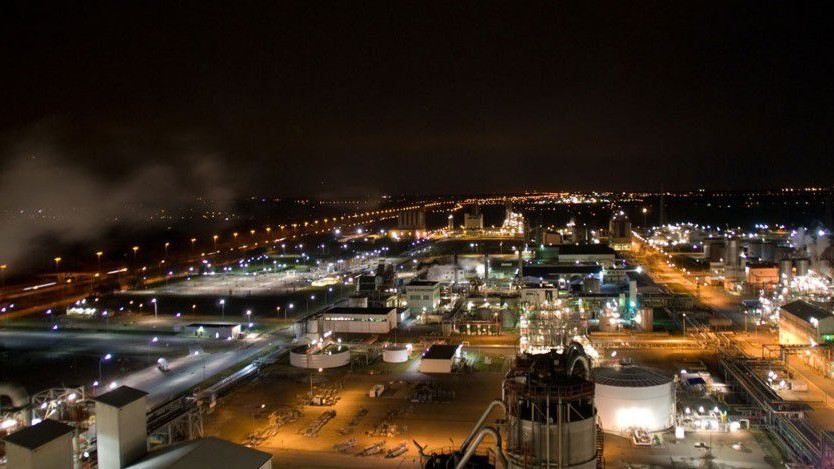
Хімічна промисловість Близького Сходу зберігає перевагу в собівартості попри кризу в Ормузькій протоці
Попри війну з Іраном та кризу в Ормузькій протоці, низька собівартість виробництва хімікатів на Близькому Сході дозволить регіону зберегти свою довгострокову перевагу над іншими регіонами. Короткострокові зміни в джерелах постачання полімерів відбуваються через нинішні обмеження промислової бази Перської затоки, що йде на користь хімічним компаніям США. Проте в довгостроковій перспективі Близький Схід, ймовірно, збереже свою базу покупців, оскільки все ще володіє двома важелями конкурентоспроможності на світовому ринку — розгалуженою виробничою базою і, перш за все, низькими витратами...