
Food Inflation Jumps as Higher Energy Costs Hit UK Retailers
British retailers are raising prices as climbing energy and commodity expenses impact the supply chain, pushing shop inflation to its highest level in two years.

According to a report from OilPrice.com, shop price inflation in the United Kingdom reached 1.5 percent for the year ending in August. This figure represents a notable increase from the 0.9 percent rise recorded in July and exceeds the three-month average of 1.2 percent. The British Retail Consortium (BRC) indicated that these rising costs are beginning to affect consumer wallets as the summer season concludes.
Food prices have been particularly affected, with inflation in that sector jumping to 2.8 percent from a previous reading of 2.2 percent. While food costs had generally been declining throughout much of the year, this recent reversal suggests that economic pressures are intensifying. BRC Chief Executive Helen Dickinson noted that the impact of expensive energy and commodities is now "beginning to filter through into prices."
The outlook for the remainder of the year remains difficult as retailers struggle with high operating expenses. Dickinson suggested that government intervention, specifically regarding business rates and regulatory burdens, may be necessary to help stores manage these costs. Without such relief, the industry's ability to protect consumers from further price hikes while maintaining employment and investment levels remains limited.
Future inflation trends may depend heavily on geopolitical stability and maritime logistics. Economists suggest that price increases could peak around the end of the year if Middle Eastern tensions ease and the Strait of Hormuz remains open for energy shipments. However, if the strait faces prolonged closures, the Bank of England warns that inflation could potentially exceed four percent, leading to higher interest rates.
Helena Marsh — Energy Markets Editor. Helena covers crude, refined products and the trading houses that move them, with a focus on price formation in the Mediterranean and Black Sea.
Схожі матеріали
Brent досяг $114 на тлі загрози нападів хуситів на енергетичну інфраструктуру Саудівської Аравії
Ціни на сиру нафту були на шляху до значного тижневого зростання: Brent мала набрати близько $6 за барель, а WTI продемонструвала значно скромніше зростання — з близько $99 за барель у понеділок до понад $100 сьогодні вранці. На момент написання статті нафта Brent торгувалася по $114,00 за барель, а West Texas Intermediate — по $100,40 за барель, оскільки бойові дії на Близькому Сході залишаються головною темою для нафтових трейдерів. Проте основна увага, здається, зосереджена на атаках хуситів на інфраструктуру Саудівської Аравії, включаючи об'єкти Aramco.

Чому Трамп не може дозволити собі програти гонку рідкісноземельних металів
Протягом багатьох років Захід шукав технологічний вихід із залежності від рідкісноземельних металів. Інженери розробили нові конструкції двигунів, альтернативні хімічні склади магнітів та матеріали, що зменшують або навіть виключають потребу в деяких критично важливих мінералах. Щоразу, коли Китай посилює експортний контроль, ці зусилля отримують новий сплеск уваги. Вони варті того, щоб їх реалізовувати. Але вони не вирішують питання, яке виробники мають розв'язати сьогодні. Виробнича потужність стала найдефіцитнішим активом номер один. Це усвідомлення стимулює один із найамбітніших промислови
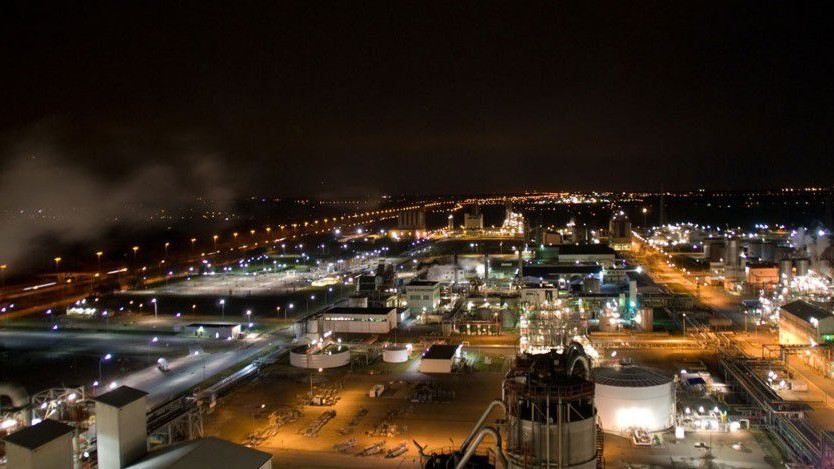
Хімічна промисловість Близького Сходу зберігає перевагу в собівартості попри кризу в Ормузькій протоці
Попри війну з Іраном та кризу в Ормузькій протоці, низька собівартість виробництва хімікатів на Близькому Сході дозволить регіону зберегти свою довгострокову перевагу над іншими регіонами. Короткострокові зміни в джерелах постачання полімерів відбуваються через нинішні обмеження промислової бази Перської затоки, що йде на користь хімічним компаніям США. Проте в довгостроковій перспективі Близький Схід, ймовірно, збереже свою базу покупців, оскільки все ще володіє двома важелями конкурентоспроможності на світовому ринку — розгалуженою виробничою базою і, перш за все, низькими витратами...