
Iran Dismisses Trump Claim of Kharg Attack as Hostilities Return
Iranian officials have refuted social media claims made by Donald Trump regarding an attack on the country's primary oil export terminal while regional military strikes resume.
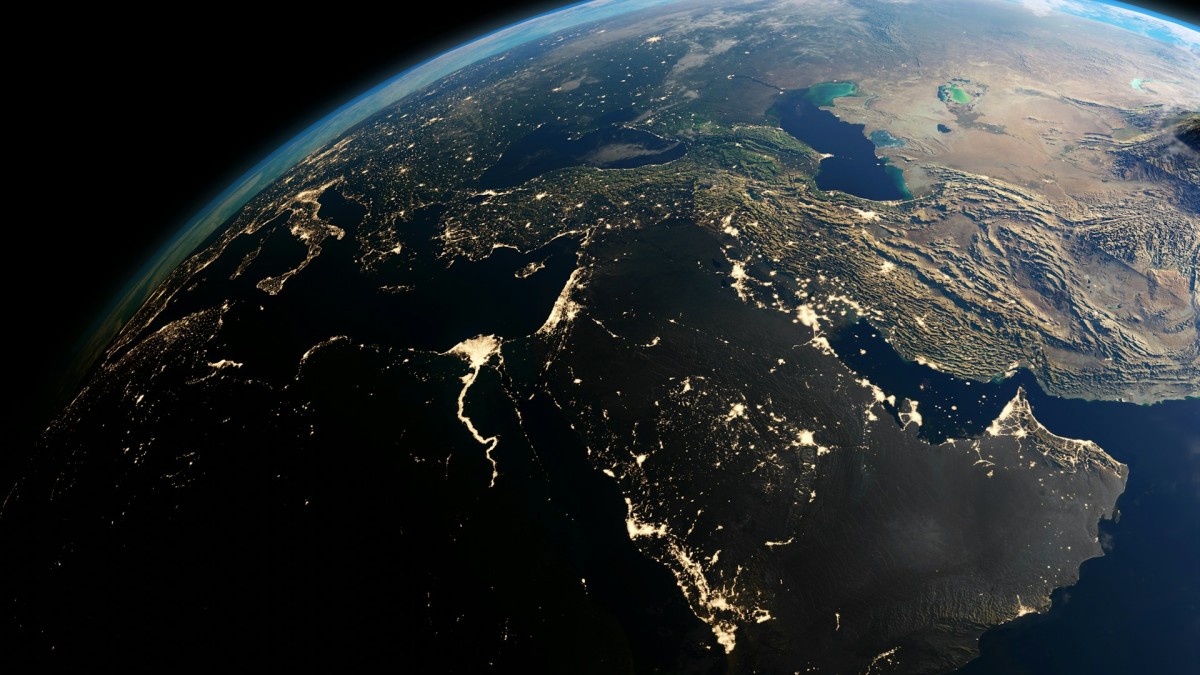
According to OilPrice.com, the National Iranian Oil Company has denied claims that Kharg Island, a critical energy hub in the northern Persian Gulf, was destroyed. The government agency dismissed a social media post by U.S. President Donald Trump that included an AI-generated video depicting the island being attacked. Hamid Bovard, the company's chief executive, described the assertions as "laughable" and maintained that operations at the terminal remain stable.
Kharg Island is responsible for approximately 90% of Iran's total petroleum exports. While the social media report claimed the site was being bombed, observers noted that there was no physical evidence of damage or military action at the facility as of Monday. The escalation in rhetoric coincided with a recent increase in actual military hostilities between U.S. forces and Iranian-backed groups following a period of relative calm.
U.S. Central Command confirmed strikes against Iranian rocket launchers situated on Larak Island, citing concerns that the hardware was being prepared for mining operations in the Strait of Hormuz. In response, the Islamic Revolutionary Guard Corps reported casualties and launched retaliatory strikes against U.S. military installations in Jordan. The Iranian Foreign Ministry stated it would continue to exercise its right to self-defense against any external aggression.
The renewal of conflict in these strategic maritime corridors impacted global energy markets, leading to an immediate rise in oil prices during Asian trading sessions. These events mark the first direct exchange of fire between the two nations in over a month, disrupting the temporary lull in regional violence. Despite the verified strikes elsewhere, the vital infrastructure at Kharg Island remains reportedly unaffected by the recent hostilities.
Helena Marsh — Energy Markets Editor. Helena covers crude, refined products and the trading houses that move them, with a focus on price formation in the Mediterranean and Black Sea.
Схожі матеріали
Brent досяг $114 на тлі загрози нападів хуситів на енергетичну інфраструктуру Саудівської Аравії
Ціни на сиру нафту були на шляху до значного тижневого зростання: Brent мала набрати близько $6 за барель, а WTI продемонструвала значно скромніше зростання — з близько $99 за барель у понеділок до понад $100 сьогодні вранці. На момент написання статті нафта Brent торгувалася по $114,00 за барель, а West Texas Intermediate — по $100,40 за барель, оскільки бойові дії на Близькому Сході залишаються головною темою для нафтових трейдерів. Проте основна увага, здається, зосереджена на атаках хуситів на інфраструктуру Саудівської Аравії, включаючи об'єкти Aramco.
Чому Трамп не може дозволити собі програти гонку рідкісноземельних металів
Протягом багатьох років Захід шукав технологічний вихід із залежності від рідкісноземельних металів. Інженери розробили нові конструкції двигунів, альтернативні хімічні склади магнітів та матеріали, що зменшують або навіть виключають потребу в деяких критично важливих мінералах. Щоразу, коли Китай посилює експортний контроль, ці зусилля отримують новий сплеск уваги. Вони варті того, щоб їх реалізовувати. Але вони не вирішують питання, яке виробники мають розв'язати сьогодні. Виробнича потужність стала найдефіцитнішим активом номер один. Це усвідомлення стимулює один із найамбітніших промислови
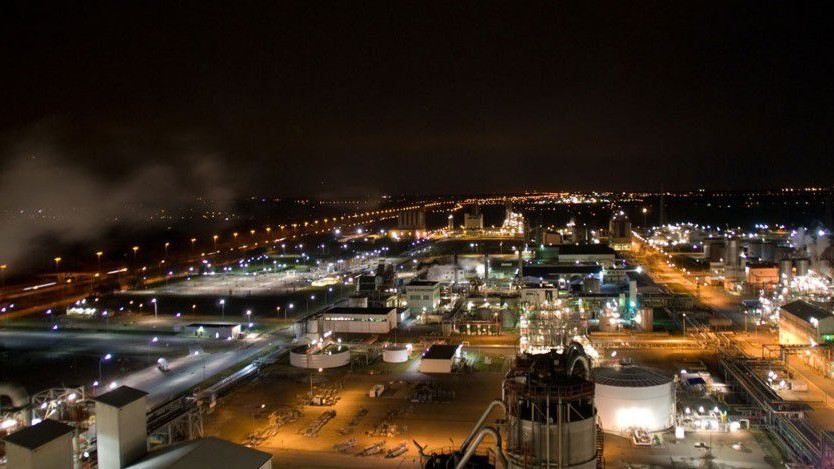
Хімічна промисловість Близького Сходу зберігає перевагу в собівартості попри кризу в Ормузькій протоці
Попри війну з Іраном та кризу в Ормузькій протоці, низька собівартість виробництва хімікатів на Близькому Сході дозволить регіону зберегти свою довгострокову перевагу над іншими регіонами. Короткострокові зміни в джерелах постачання полімерів відбуваються через нинішні обмеження промислової бази Перської затоки, що йде на користь хімічним компаніям США. Проте в довгостроковій перспективі Близький Схід, ймовірно, збереже свою базу покупців, оскільки все ще володіє двома важелями конкурентоспроможності на світовому ринку — розгалуженою виробничою базою і, перш за все, низькими витратами...