
Iran’s Disappearing Oil Is Becoming Everyone’s Problem
A collapse in Iranian crude exports following a US blockade is forcing Chinese independent refiners to compete for expensive global alternatives as the region's floating storage depletes.
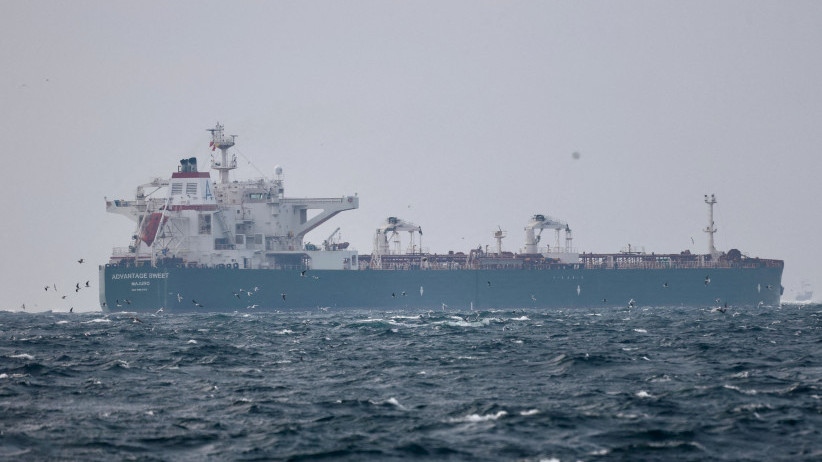
According to OilPrice.com, Iranian crude exports have fallen sharply as a U.S. blockade and geopolitical shifts restrict shipments. Loadings at Kharg Island dropped to zero in September, down from 1.8 million barrels per day in March. While a temporary memorandum allowed some cargoes to pass during the summer, that reprieve has ended. Consequently, Tehran is facing significant production pressure, with onshore storage tanks reaching roughly 60% capacity and output potentially falling below pre-war levels.
China, the primary buyer of Iranian oil, has relied on a massive floating stockpile to maintain its supply. This cushion has shrunk from 160 million barrels in April to approximately 86 million barrels, with over a quarter currently trapped inside the Persian Gulf. As these stocks diminish, Chinese imports of Iranian crude fell to 475,000 barrels per day in September, a significant decrease from the 1.76 million barrels per day recorded in April.
Independent refiners in China, known as 'teapots,' are now forced to seek more expensive grades from Brazil, Guyana, and West Africa. OilPrice.com reports that competition for Russian oil is also driving premiums to record highs. Although the Chinese government has increased import quotas for non-state refiners to record levels, this move does not mitigate the rising costs of freight and the scarcity of available barrels in the global market.
The disruption poses broader risks to global energy flows. While Iranian oil remains blocked, neighboring producers are moving 13 million barrels per day through the Strait of Hormuz. The report suggests that Tehran’s shrinking export revenue and mounting financial pressure may create an incentive for Iran to disrupt these regional maritime flows. This situation leaves global buyers facing tightened supplies and the potential for further volatility in the Middle East.
Helena Marsh — Energy Markets Editor. Helena covers crude, refined products and the trading houses that move them, with a focus on price formation in the Mediterranean and Black Sea.
Схожі матеріали
Brent досяг $114 на тлі загрози нападів хуситів на енергетичну інфраструктуру Саудівської Аравії
Ціни на сиру нафту були на шляху до значного тижневого зростання: Brent мала набрати близько $6 за барель, а WTI продемонструвала значно скромніше зростання — з близько $99 за барель у понеділок до понад $100 сьогодні вранці. На момент написання статті нафта Brent торгувалася по $114,00 за барель, а West Texas Intermediate — по $100,40 за барель, оскільки бойові дії на Близькому Сході залишаються головною темою для нафтових трейдерів. Проте основна увага, здається, зосереджена на атаках хуситів на інфраструктуру Саудівської Аравії, включаючи об'єкти Aramco.

Чому Трамп не може дозволити собі програти гонку рідкісноземельних металів
Протягом багатьох років Захід шукав технологічний вихід із залежності від рідкісноземельних металів. Інженери розробили нові конструкції двигунів, альтернативні хімічні склади магнітів та матеріали, що зменшують або навіть виключають потребу в деяких критично важливих мінералах. Щоразу, коли Китай посилює експортний контроль, ці зусилля отримують новий сплеск уваги. Вони варті того, щоб їх реалізовувати. Але вони не вирішують питання, яке виробники мають розв'язати сьогодні. Виробнича потужність стала найдефіцитнішим активом номер один. Це усвідомлення стимулює один із найамбітніших промислови
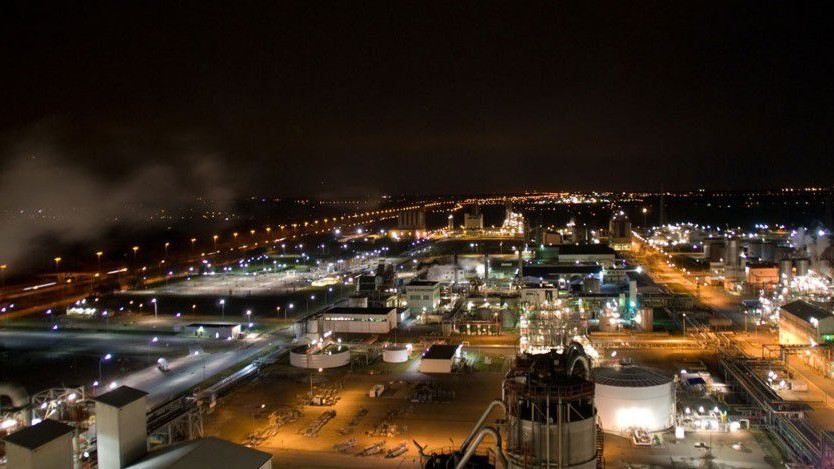
Хімічна промисловість Близького Сходу зберігає перевагу в собівартості попри кризу в Ормузькій протоці
Попри війну з Іраном та кризу в Ормузькій протоці, низька собівартість виробництва хімікатів на Близькому Сході дозволить регіону зберегти свою довгострокову перевагу над іншими регіонами. Короткострокові зміни в джерелах постачання полімерів відбуваються через нинішні обмеження промислової бази Перської затоки, що йде на користь хімічним компаніям США. Проте в довгостроковій перспективі Близький Схід, ймовірно, збереже свою базу покупців, оскільки все ще володіє двома важелями конкурентоспроможності на світовому ринку — розгалуженою виробничою базою і, перш за все, низькими витратами...