
Washington’s Venezuela Oil Deal Is About Much More Than Crude
The United States has secured control over 65 billion barrels of Venezuelan oil reserves in a 100-year deal designed to reassert American influence in the Western Hemisphere.

A major agreement between the United States and Venezuela has granted North American Blue Energy Partners control over 17 oil fields containing approximately one-fifth of the nation's total reserves. According to OilPrice.com, the deal was signed by U.S. Energy Secretary Chris Wright on September 2. The 100-year concession involves 65 billion barrels of proven crude, a volume significantly larger than the total current territorial reserves of the United States.
The arrangement aligns with a new U.S. foreign policy strategy dubbed the Trump Corollary to the Monroe Doctrine. This framework seeks to restore American dominance across the Americas while removing Russian and Chinese influence from regional energy infrastructure. To ensure oversight, the U.S. Department of War holds a 35% stake in the private entity managing the fields, and the American government maintains a right of first refusal on all crude produced.
While the interim Venezuelan government led by Delcy Rodriguez supports the deal, potential legal challenges remain regarding its long-term validity. Venezuela’s constitution generally requires legislative approval for concessions involving strategic resources. Critics suggest future administrations could contest the agreement because it was negotiated by an interim authority. Despite these concerns, the deal aims to boost production by 1.5 million barrels per day, generating substantial investment for the Venezuelan state.
The transaction has sparked further activity in the region's energy sector from other international players. Following the announcement, Italy's Eni reached an agreement to manage the Junin 5 field, while Chevron updated its joint venture terms with plans to invest $7 billion over five years. These developments reflect a broader U.S. effort to ramp up production within its sphere of influence to offset potential supply volatility in the Middle East.
Helena Marsh — Energy Markets Editor. Helena covers crude, refined products and the trading houses that move them, with a focus on price formation in the Mediterranean and Black Sea.
Схожі матеріали
Brent досяг $114 на тлі загрози нападів хуситів на енергетичну інфраструктуру Саудівської Аравії
Ціни на сиру нафту були на шляху до значного тижневого зростання: Brent мала набрати близько $6 за барель, а WTI продемонструвала значно скромніше зростання — з близько $99 за барель у понеділок до понад $100 сьогодні вранці. На момент написання статті нафта Brent торгувалася по $114,00 за барель, а West Texas Intermediate — по $100,40 за барель, оскільки бойові дії на Близькому Сході залишаються головною темою для нафтових трейдерів. Проте основна увага, здається, зосереджена на атаках хуситів на інфраструктуру Саудівської Аравії, включаючи об'єкти Aramco.

Чому Трамп не може дозволити собі програти гонку рідкісноземельних металів
Протягом багатьох років Захід шукав технологічний вихід із залежності від рідкісноземельних металів. Інженери розробили нові конструкції двигунів, альтернативні хімічні склади магнітів та матеріали, що зменшують або навіть виключають потребу в деяких критично важливих мінералах. Щоразу, коли Китай посилює експортний контроль, ці зусилля отримують новий сплеск уваги. Вони варті того, щоб їх реалізовувати. Але вони не вирішують питання, яке виробники мають розв'язати сьогодні. Виробнича потужність стала найдефіцитнішим активом номер один. Це усвідомлення стимулює один із найамбітніших промислови
Хімічна промисловість Близького Сходу зберігає перевагу в собівартості попри кризу в Ормузькій протоці
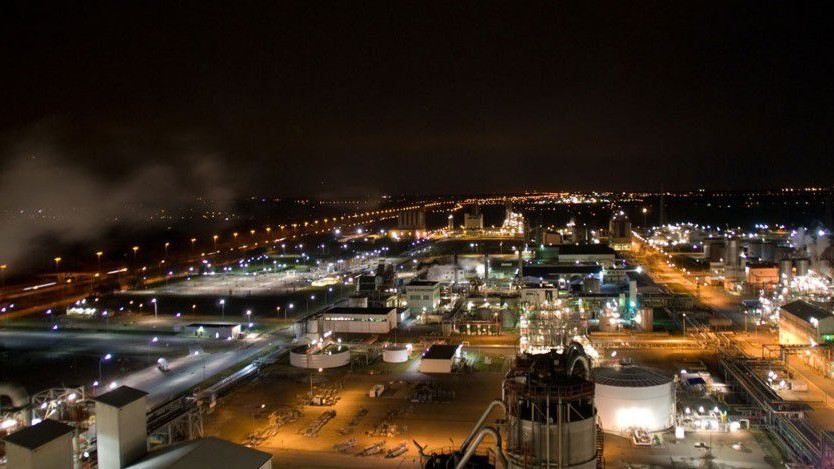
Попри війну з Іраном та кризу в Ормузькій протоці, низька собівартість виробництва хімікатів на Близькому Сході дозволить регіону зберегти свою довгострокову перевагу над іншими регіонами. Короткострокові зміни в джерелах постачання полімерів відбуваються через нинішні обмеження промислової бази Перської затоки, що йде на користь хімічним компаніям США. Проте в довгостроковій перспективі Близький Схід, ймовірно, збереже свою базу покупців, оскільки все ще володіє двома важелями конкурентоспроможності на світовому ринку — розгалуженою виробничою базою і, перш за все, низькими витратами...