
Analysts Examine Latest USA Measures Against Iran
Analysts suggest new U.S. measures against Iran may have limited market impact unless China reduces its crude oil purchases.
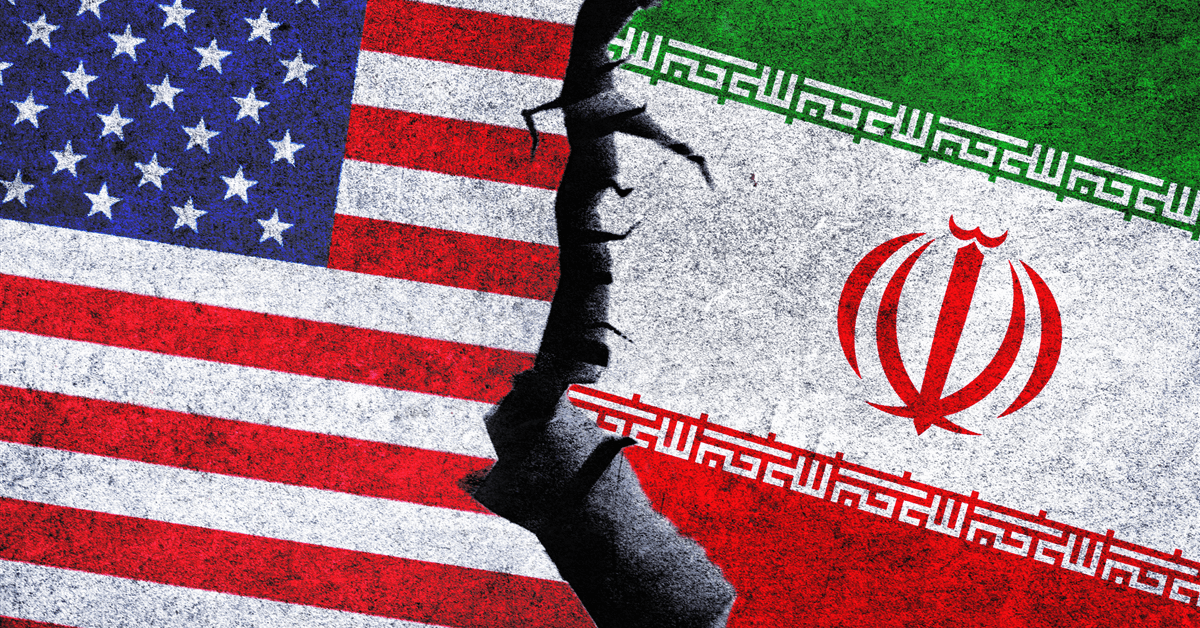
Market analysts from Rystad Energy and SEB have evaluated a new White House initiative dubbed Operation Economic Outcast. According to reports from Rigzone, the U.S. administration intends to completely isolate the Iranian government by cutting off its remaining financial resources. While the White House described the strategy as a major offensive, industry observers noted that the immediate practical measures appear less intense than the official rhetoric suggests.
Rystad Energy indicates that the conflict has reached a protracted stalemate following the expiration of a memorandum of understanding in mid-August. Current projections show traffic through the Strait of Hormuz remaining at depressed levels of roughly three million barrels per day. The firm suggests that since Iranian exports have already dropped significantly, the effectiveness of additional sanctions depends largely on whether the U.S. enforces secondary penalties against remaining trading partners.
A primary obstacle to the U.S. strategy is China, which currently purchases the vast majority of Iranian crude exports. SEB analysts highlighted that Chinese officials generally oppose such sanctions and are unlikely to let Washington dictate their energy procurement. With a high-level diplomatic meeting scheduled soon, experts believe the U.S. may hesitate to target Chinese entities, leaving a significant gap in the economic blockade.
There are also concerns regarding how Iran might respond to intensified pressure. While further sanctions may not remove much more Iranian oil from the global market, Tehran retains the ability to interfere with other regional exports. Rystad’s Jorge Leon noted that after decades of restrictions, the nation has built a resilient economy, adding that "more economic pain does not necessarily translate into political capitulation."
Editorial Desk — Trade Flow Insight. Reporting and market notes compiled by the Trade Flow Insight editorial team.
Verwandte Beiträge

Europa rüstet sich für eine winterliche Energiekrise angesichts niedriger Gasreserven
Nach Monaten erhöhter Energiepreise muss Europa damit rechnen, dass die Kraftstoffkosten im weiteren Verlauf der Wintermonate bei steigender Nachfrage weiter zunehmen werden. Anhaltende Einschränkungen im Energiehandel und Bedrohungen der Energieinfrastruktur im Nahen Osten dürften das globale Energieangebot begrenzen und die Preise weiter in die Höhe treiben, was die Verbraucher hart treffen wird, sofern Regierungen nicht eingreifen. Es wird angenommen, dass die Europäische Union (EU) in diesem Jahr bereits zusätzlich 100 Milliarden Euro für Öl und Gas gezahlt hat, was die EU-Minister dazu ve

Ölpreise steigen angesichts von Kriegs- und Hurrikanrisiken
Die Ölpreise legten leicht zu, da Tankerangriffe im Nahen Osten und Hurrikan Isaias die Sorgen um das Angebot verschärften.

Australien veröffentlicht endgültigen Plan zur Sicherung von mehr LNG für den Heimatmarkt
Australien steht kurz vor der Vorstellung einer endgültigen Fassung eines umstrittenen Plans, der Flüssigerdgas-Produzenten dazu zwingt, bis zu ein Fünftel ihrer Produktion für lokale Abnehmer zu reservieren.