
Hormuz Crisis Boosts Appeal of $42-Billion Tanzania LNG
Increased regional volatility in the Middle East is driving renewed interest in Equinor and Shell's long-delayed $42-billion gas export terminal in East Africa.
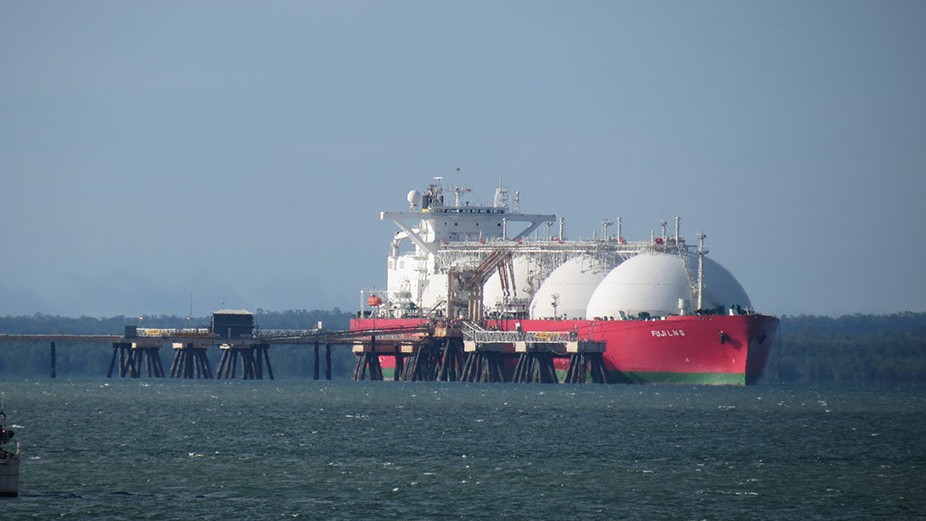
Equinor suggests that the $42-billion liquefied natural gas development in Tanzania has become more appealing due to ongoing conflict in the Middle East. According to OilPrice.com, disruptions at the Strait of Hormuz have undermined the perceived reliability of traditional Gulf suppliers. A senior executive from the Norwegian energy firm noted that the project offers an alternative production hub located away from current geopolitical flashpoints.
Despite the strategic advantages, the project has faced significant delays for over a decade. Equinor and co-operator Shell remain engaged in prolonged and difficult discussions with Tanzanian authorities regarding the specific terms of the investment. These negotiations have yet to produce the definitive agreements necessary to advance what would be the largest foreign investment in the history of the country.
The proposed export terminal would utilize substantial offshore gas reserves discovered in recent years. Equinor has identified more than 20 trillion cubic feet of gas in its exploration block, while Shell’s partnership controls blocks containing approximately 16 trillion cubic feet. Executive Philippe Mathieu remarked at a recent conference that "maybe now is a good time to get on with it" regarding the introduction of new supply volumes.
The shifting energy landscape has prompted a reevaluation of the East African site’s viability. While the project has stalled throughout the current decade, the desire to bypass sensitive maritime transit routes is providing fresh momentum. The partners must now finalize conditions with the government to transform these massive subsea discoveries into a functioning export facility.
Editorial Desk — Trade Flow Insight. Reporting and market notes compiled by the Trade Flow Insight editorial team.
Verwandte Beiträge

Europa rüstet sich für eine winterliche Energiekrise angesichts niedriger Gasreserven
Nach Monaten erhöhter Energiepreise muss Europa damit rechnen, dass die Kraftstoffkosten im weiteren Verlauf der Wintermonate bei steigender Nachfrage weiter zunehmen werden. Anhaltende Einschränkungen im Energiehandel und Bedrohungen der Energieinfrastruktur im Nahen Osten dürften das globale Energieangebot begrenzen und die Preise weiter in die Höhe treiben, was die Verbraucher hart treffen wird, sofern Regierungen nicht eingreifen. Es wird angenommen, dass die Europäische Union (EU) in diesem Jahr bereits zusätzlich 100 Milliarden Euro für Öl und Gas gezahlt hat, was die EU-Minister dazu ve

Ölpreise steigen angesichts von Kriegs- und Hurrikanrisiken
Die Ölpreise legten leicht zu, da Tankerangriffe im Nahen Osten und Hurrikan Isaias die Sorgen um das Angebot verschärften.

Australien veröffentlicht endgültigen Plan zur Sicherung von mehr LNG für den Heimatmarkt
Australien steht kurz vor der Vorstellung einer endgültigen Fassung eines umstrittenen Plans, der Flüssigerdgas-Produzenten dazu zwingt, bis zu ein Fünftel ihrer Produktion für lokale Abnehmer zu reservieren.