
Norway’s Troll Gas Expansion Buys Europe Time—But Not New Supply
Equinor has accelerated production from the Troll West reservoir to bolster European energy security, finishing the subsea project ahead of schedule and under budget.
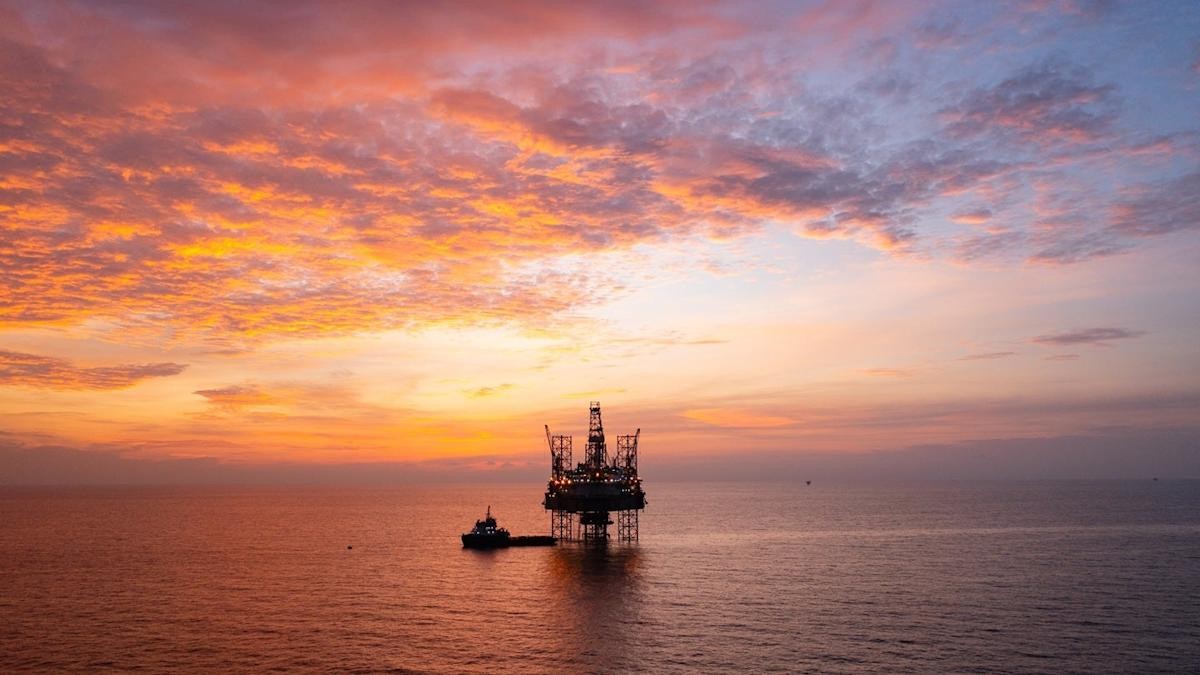
Norway has launched the second stage of its Troll Phase 3 project to pull 55 billion cubic meters of natural gas from the Troll West reservoir earlier than originally planned. According to OilPrice.com, the development reached first gas on August 22, completing the task several months ahead of the timeline and at a cost tens of millions of dollars below the $1.2 billion estimate. The infrastructure consists of eight production wells and two subsea templates.
The expansion does not increase the total recoverable resources of the field but instead advances the timing of existing reserves to maintain export levels as other areas decline. The project could accelerate up to 7 billion cubic meters annually, representing about 6% of recent yearly gas exports from Norway. Lill Harriet Brusdal, a vice president at Equinor, noted that the asset serves as the "backbone of Norwegian gas exports to Europe."
This operational milestone follows a new 15-year supply agreement between Equinor and Germany's Uniper. While the Troll field provides approximately 10% of the natural gas consumed in Europe, the acceleration strategy highlights a growing reliance on aging infrastructure. Experts suggest that while bringing volumes to market sooner protects current energy security, it does not replace the long-term need for new discoveries to offset future production drops.
Editorial Desk — Trade Flow Insight. Reporting and market notes compiled by the Trade Flow Insight editorial team.
Verwandte Beiträge

Europa rüstet sich für eine winterliche Energiekrise angesichts niedriger Gasreserven
Nach Monaten erhöhter Energiepreise muss Europa damit rechnen, dass die Kraftstoffkosten im weiteren Verlauf der Wintermonate bei steigender Nachfrage weiter zunehmen werden. Anhaltende Einschränkungen im Energiehandel und Bedrohungen der Energieinfrastruktur im Nahen Osten dürften das globale Energieangebot begrenzen und die Preise weiter in die Höhe treiben, was die Verbraucher hart treffen wird, sofern Regierungen nicht eingreifen. Es wird angenommen, dass die Europäische Union (EU) in diesem Jahr bereits zusätzlich 100 Milliarden Euro für Öl und Gas gezahlt hat, was die EU-Minister dazu ve

Ölpreise steigen angesichts von Kriegs- und Hurrikanrisiken
Die Ölpreise legten leicht zu, da Tankerangriffe im Nahen Osten und Hurrikan Isaias die Sorgen um das Angebot verschärften.

Australien veröffentlicht endgültigen Plan zur Sicherung von mehr LNG für den Heimatmarkt
Australien steht kurz vor der Vorstellung einer endgültigen Fassung eines umstrittenen Plans, der Flüssigerdgas-Produzenten dazu zwingt, bis zu ein Fünftel ihrer Produktion für lokale Abnehmer zu reservieren.