
Sea Lion roars into Falklands expansion as Navitas reels in second FPSO
Navitas Petroleum expands Falkland Islands operations with a $125 million acquisition of the OSX-1 vessel to accelerate production at the Sea Lion field.
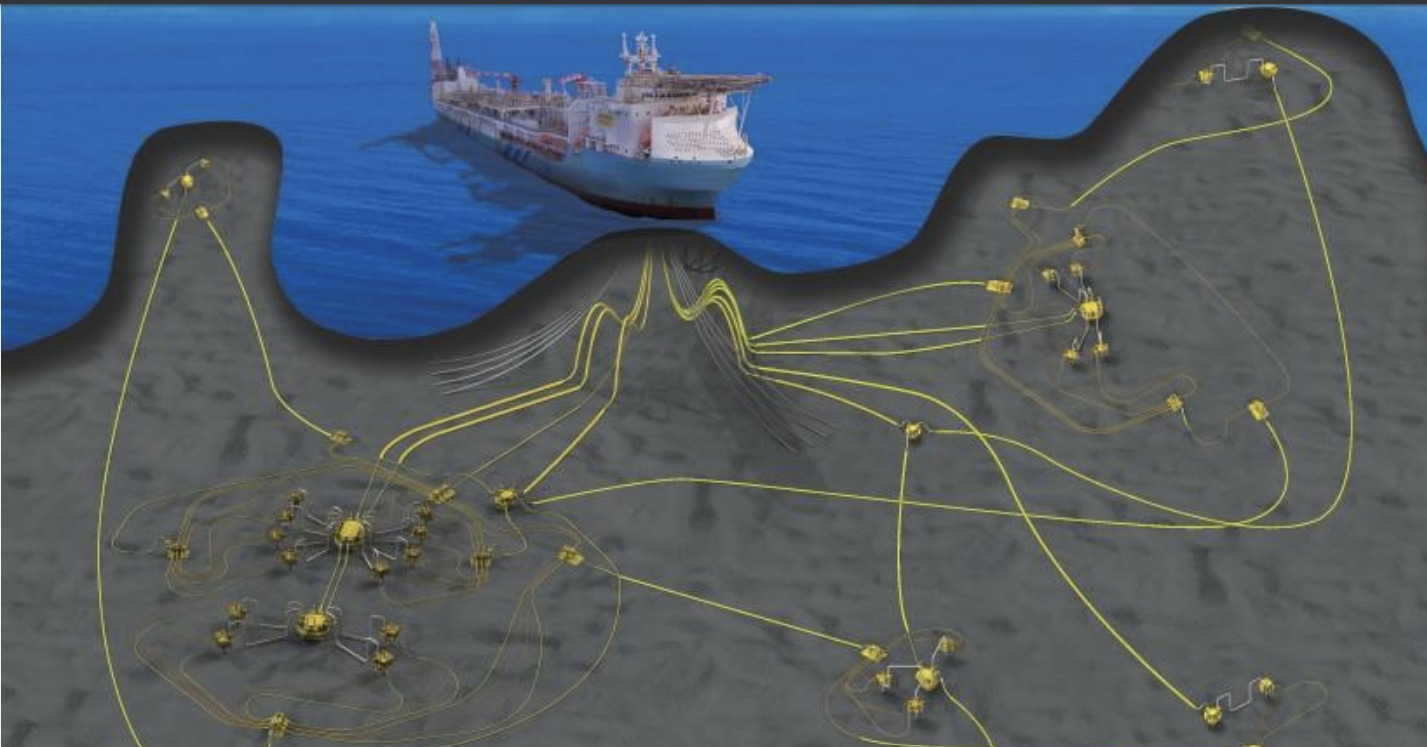
Israeli developer Navitas Petroleum is expanding its presence in the North Falkland Basin by exercising an option to purchase a second floating production, storage, and offloading vessel. According to Offshore Energy, the acquisition of the vessel, named OSX-1, will cost approximately $125 million and is expected to finalize within the next month. This move aims to accelerate development phases at the Sea Lion field beyond the initial work currently underway.
The introduction of the OSX-1 is projected to increase the project's daily output capacity by 125,000 barrels. This vessel will specifically target resources in the central development area, while the previously secured Aoka Mizu vessel remains designated for the first two phases of the northern development area. Navitas will initially fund the entire acquisition cost through a special purpose vehicle while its partner, Rockhopper, seeks financing to cover its share.
Current schedules place the first oil from the northern development area in early 2028, with the central development area expected to begin production by the end of 2030. CEO Samuel Moody stated the update reflects a "continued commitment to developing and accelerating Sea Lion" and enhances the project's overall value. The total investment required to reach project completion for the offshore field is estimated at $2.1 billion.
Editorial Desk — Trade Flow Insight. Reporting and market notes compiled by the Trade Flow Insight editorial team.
Verwandte Beiträge

Europa rüstet sich für eine winterliche Energiekrise angesichts niedriger Gasreserven
Nach Monaten erhöhter Energiepreise muss Europa damit rechnen, dass die Kraftstoffkosten im weiteren Verlauf der Wintermonate bei steigender Nachfrage weiter zunehmen werden. Anhaltende Einschränkungen im Energiehandel und Bedrohungen der Energieinfrastruktur im Nahen Osten dürften das globale Energieangebot begrenzen und die Preise weiter in die Höhe treiben, was die Verbraucher hart treffen wird, sofern Regierungen nicht eingreifen. Es wird angenommen, dass die Europäische Union (EU) in diesem Jahr bereits zusätzlich 100 Milliarden Euro für Öl und Gas gezahlt hat, was die EU-Minister dazu ve

Ölpreise steigen angesichts von Kriegs- und Hurrikanrisiken
Die Ölpreise legten leicht zu, da Tankerangriffe im Nahen Osten und Hurrikan Isaias die Sorgen um das Angebot verschärften.

Australien veröffentlicht endgültigen Plan zur Sicherung von mehr LNG für den Heimatmarkt
Australien steht kurz vor der Vorstellung einer endgültigen Fassung eines umstrittenen Plans, der Flüssigerdgas-Produzenten dazu zwingt, bis zu ein Fünftel ihrer Produktion für lokale Abnehmer zu reservieren.