
This Cattle Feedlot Turns Manure Into 1.2 Million MMBtu of Natural Gas a Year
A Nebraska agricultural waste project aims to generate 1.2 million MMBtu of natural gas annually by processing cattle manure through eight anaerobic digesters.
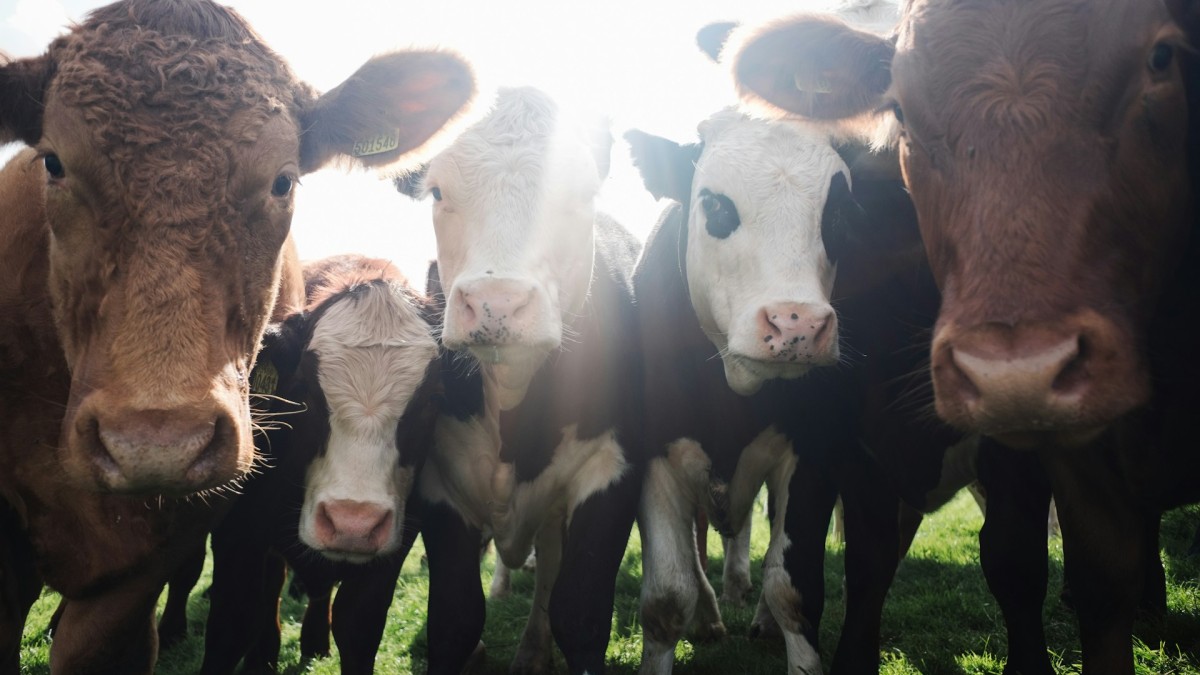
A new energy initiative in Broken Bow, Nebraska, has commenced construction on a facility designed to convert livestock waste into pipeline-quality fuel. According to OilPrice.com, the project involves the installation of eight anaerobic digesters at the Adams Land & Cattle feedlot. Once operational, the site is expected to produce approximately 1.2 million MMBtu of renewable natural gas every year, serving both domestic energy needs and the international maritime shipping sector.
Neogenyx Fuels, the owner of the facility, intends for the project to support the production of bio-LNG for global markets. The company’s CEO noted that the facility connects American agriculture to the rising international demand for energy sources with lower carbon footprints. Proponents of the technology, including the Environmental Protection Agency, suggest that biogas recovery systems offer farmers a way to diversify their revenue while enhancing energy independence in rural regions.
The project is estimated to lower greenhouse gas emissions by roughly 63,700 metric tons per year. By capturing methane that would otherwise enter the atmosphere, the facility aims to achieve a negative carbon intensity rating. However, some critics argue that such programs may encourage the expansion of large-scale cattle operations, potentially leading to increased air and water pollution from liquid manure storage despite the emissions benefits provided by the digesters.
Helena Marsh — Energy Markets Editor. Helena covers crude, refined products and the trading houses that move them, with a focus on price formation in the Mediterranean and Black Sea.
Verwandte Beiträge

Europa rüstet sich für eine winterliche Energiekrise angesichts niedriger Gasreserven
Nach Monaten erhöhter Energiepreise muss Europa damit rechnen, dass die Kraftstoffkosten im weiteren Verlauf der Wintermonate bei steigender Nachfrage weiter zunehmen werden. Anhaltende Einschränkungen im Energiehandel und Bedrohungen der Energieinfrastruktur im Nahen Osten dürften das globale Energieangebot begrenzen und die Preise weiter in die Höhe treiben, was die Verbraucher hart treffen wird, sofern Regierungen nicht eingreifen. Es wird angenommen, dass die Europäische Union (EU) in diesem Jahr bereits zusätzlich 100 Milliarden Euro für Öl und Gas gezahlt hat, was die EU-Minister dazu ve

Ölpreise steigen angesichts von Kriegs- und Hurrikanrisiken
Die Ölpreise legten leicht zu, da Tankerangriffe im Nahen Osten und Hurrikan Isaias die Sorgen um das Angebot verschärften.

Australien veröffentlicht endgültigen Plan zur Sicherung von mehr LNG für den Heimatmarkt
Australien steht kurz vor der Vorstellung einer endgültigen Fassung eines umstrittenen Plans, der Flüssigerdgas-Produzenten dazu zwingt, bis zu ein Fünftel ihrer Produktion für lokale Abnehmer zu reservieren.