
U.S. Oil Rig Count Rises as Gas Rig Activity Declines
Recent Baker Hughes data indicates a stagnant total U.S. rig count as gains in the oil sector were offset by a reduction in gas drilling activity.
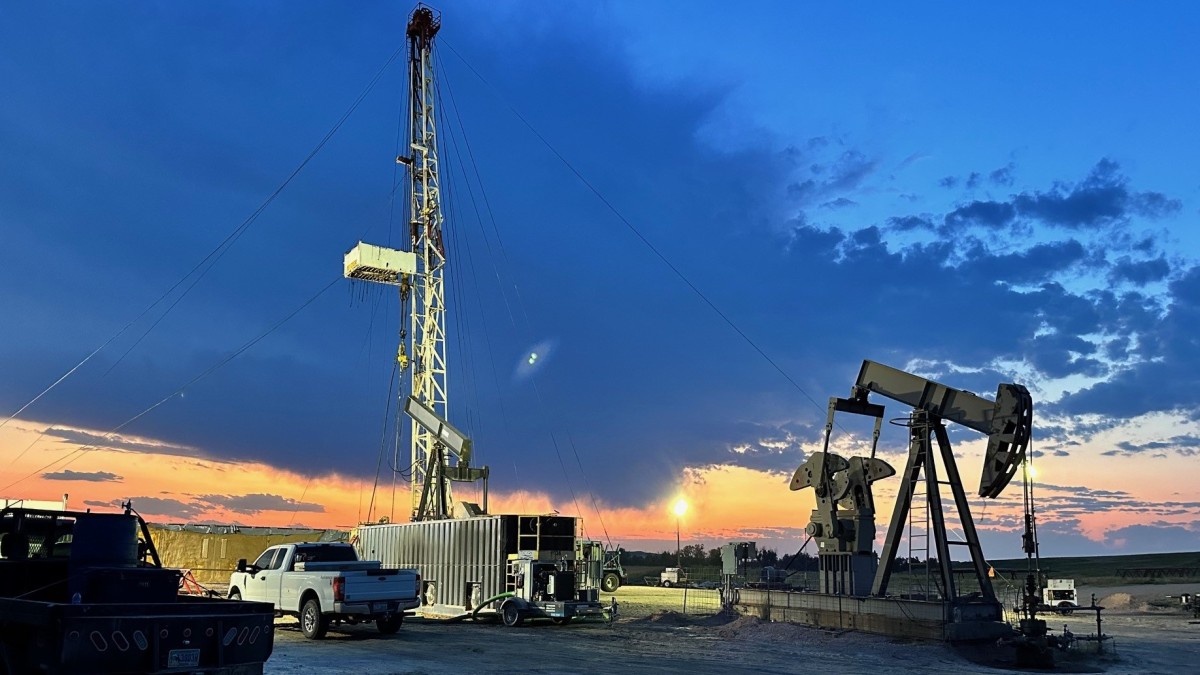
According to reports from OilPrice.com, the total count of active oil and gas drilling units in the United States remained unchanged at 588 this week. While the overall number held steady, the underlying data shows a shift in focus between commodities. The domestic oil rig count climbed by two to reach 449, while the gas sector saw a corresponding decline of two units, bringing that total down to 130.
Despite the flat weekly performance, drilling activity remains significantly higher than the previous year's levels. The current total of 588 rigs represents an increase of 51 units compared to the same period in the prior year. Regional data highlighted growth in the Permian Basin, where the count rose by one to 268, while activity in the Eagle Ford formation remained stable with 50 rigs in operation.
Production figures from the EIA show that U.S. crude output grew to an average of 13.862 million barrels per day during the week ending August 28. This upward trend in extraction comes as well completion activity declined, with Primary Vision reporting that the Frac Spread Count fell by four to 180 crews. Commodity prices for both Brent and WTI saw slight decreases prior to the release of these figures.
Helena Marsh — Energy Markets Editor. Helena covers crude, refined products and the trading houses that move them, with a focus on price formation in the Mediterranean and Black Sea.
Verwandte Beiträge

Europa rüstet sich für eine winterliche Energiekrise angesichts niedriger Gasreserven
Nach Monaten erhöhter Energiepreise muss Europa damit rechnen, dass die Kraftstoffkosten im weiteren Verlauf der Wintermonate bei steigender Nachfrage weiter zunehmen werden. Anhaltende Einschränkungen im Energiehandel und Bedrohungen der Energieinfrastruktur im Nahen Osten dürften das globale Energieangebot begrenzen und die Preise weiter in die Höhe treiben, was die Verbraucher hart treffen wird, sofern Regierungen nicht eingreifen. Es wird angenommen, dass die Europäische Union (EU) in diesem Jahr bereits zusätzlich 100 Milliarden Euro für Öl und Gas gezahlt hat, was die EU-Minister dazu ve

Ölpreise steigen angesichts von Kriegs- und Hurrikanrisiken
Die Ölpreise legten leicht zu, da Tankerangriffe im Nahen Osten und Hurrikan Isaias die Sorgen um das Angebot verschärften.

Australien veröffentlicht endgültigen Plan zur Sicherung von mehr LNG für den Heimatmarkt
Australien steht kurz vor der Vorstellung einer endgültigen Fassung eines umstrittenen Plans, der Flüssigerdgas-Produzenten dazu zwingt, bis zu ein Fünftel ihrer Produktion für lokale Abnehmer zu reservieren.