
WATCH: North Sea decom campaign retires trio of gas wells in UK waters
Spirit Energy has concluded a $55 million project to plug three gas wells and recover 234 tons of subsea equipment in the Southern North Sea.
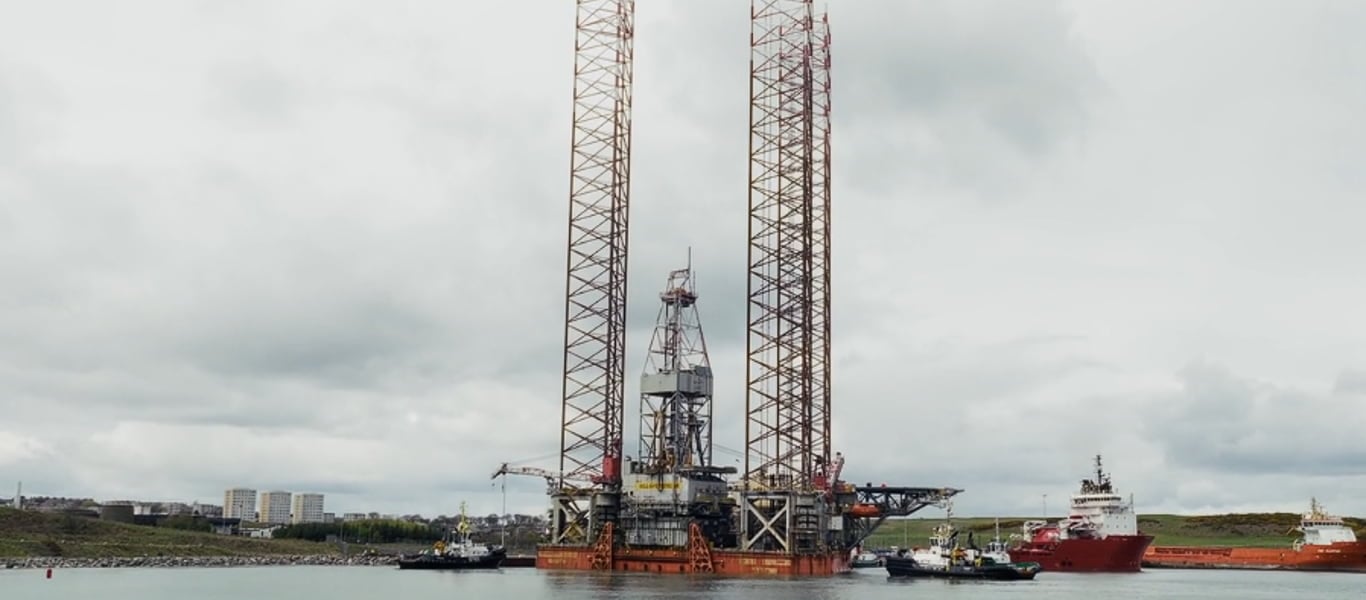
Spirit Energy has finished a decommission campaign in the United Kingdom sector of the North Sea, resulting in the permanent closure of three gas wells. According to Offshore Energy, the operator spent approximately $55 million on the project, which targeted the Seven Seas and Grove G5 production sites along with the Grove Deep exploration well. The initiative required over 114,000 work hours and involved a diverse supply chain including more than 30 UK-based partners. The campaign removed 234 tons of subsea hardware, with the operator aiming to reuse or recycle all recovered materials at domestic yards. Technical operations involved the use of the Well-Safe Protector rig and the construction support vessel Edda Freya. At the Seven Seas location, teams removed a 100-ton protection structure from the wellhead, while work at the Grove sites utilized remotely operated vehicles to disconnect subsea infrastructure and prepare for final reservoir abandonment. Operational challenges included managing aging infrastructure and navigating unpredictable weather conditions in the southern sector. Spirit Energy's Decommissioning Manager, Ceri Wheaton, noted that success relied on clear communication across multiple vessels as they coordinated around "existing assets that are still in the field." The decommissioned wells had been active contributors to the regional gas supply at various intervals between 2008 and 2024.
Editorial Desk — Trade Flow Insight. Reporting and market notes compiled by the Trade Flow Insight editorial team.
Verwandte Beiträge

Europa rüstet sich für eine winterliche Energiekrise angesichts niedriger Gasreserven
Nach Monaten erhöhter Energiepreise muss Europa damit rechnen, dass die Kraftstoffkosten im weiteren Verlauf der Wintermonate bei steigender Nachfrage weiter zunehmen werden. Anhaltende Einschränkungen im Energiehandel und Bedrohungen der Energieinfrastruktur im Nahen Osten dürften das globale Energieangebot begrenzen und die Preise weiter in die Höhe treiben, was die Verbraucher hart treffen wird, sofern Regierungen nicht eingreifen. Es wird angenommen, dass die Europäische Union (EU) in diesem Jahr bereits zusätzlich 100 Milliarden Euro für Öl und Gas gezahlt hat, was die EU-Minister dazu ve

Ölpreise steigen angesichts von Kriegs- und Hurrikanrisiken
Die Ölpreise legten leicht zu, da Tankerangriffe im Nahen Osten und Hurrikan Isaias die Sorgen um das Angebot verschärften.

Australien veröffentlicht endgültigen Plan zur Sicherung von mehr LNG für den Heimatmarkt
Australien steht kurz vor der Vorstellung einer endgültigen Fassung eines umstrittenen Plans, der Flüssigerdgas-Produzenten dazu zwingt, bis zu ein Fünftel ihrer Produktion für lokale Abnehmer zu reservieren.