
Ecuador Says US Sinkings Of Vessels Were Part Of Joint Anti-Drug Probe
Ecuadorian officials have defended the U.S. Navy's destruction of three regional vessels following claims they were providing logistical support to international drug trafficking cartels.
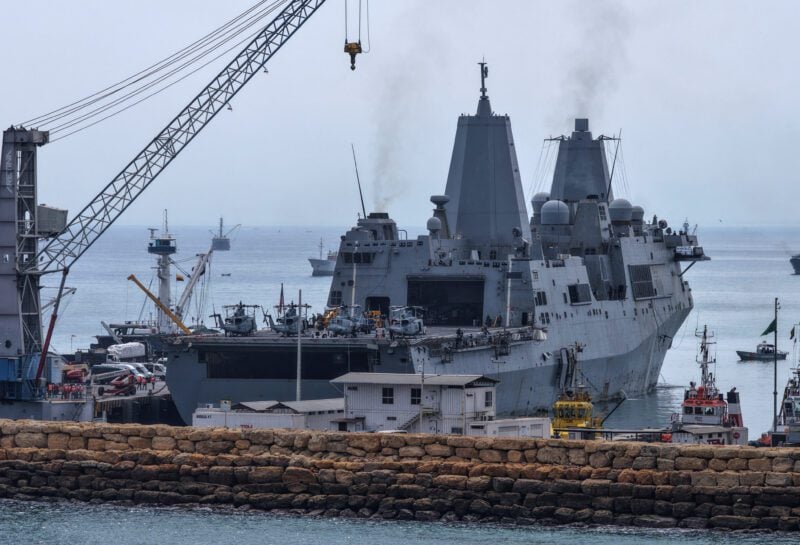
The government of Ecuador has formally supported the recent interception and sinking of three domestic vessels by United States forces, according to a report from gCaptain. Officials stated the operations were the result of a coordinated bilateral investigation aimed at dismantling the logistical networks used by criminal organizations to move narcotics through the eastern Pacific toward North American markets.
Interior Minister John Reimberg explained to local media that the targeted boats functioned as mobile refueling stations. These maritime outposts are designed to extend the range of high-speed vessels transporting illicit cargo. The U.S. Southern Command reinforced this assessment, alleging the vessels were specifically assisting the Los Choneros gang. Military footage released recently showed operatives boarding a ship before its tactical destruction at sea.
While the government maintains the legality of the mission, family members of the detained mariners have challenged the official narrative. One relative claimed the crews were engaged in legitimate fishing activities and that no narcotics were discovered onboard during the boarding. These individuals further alleged that the interception occurred within Ecuadorian territorial waters rather than in international seas as suggested by military authorities.
Data provided by the Ecuadorian Navy confirms that dozens of crew members from vessels named Conquista II and OM2 have been returned to the port of Manta. In total, 36 individuals were accounted for following the operations. The incident highlights ongoing tensions regarding the use of lethal force during maritime interdiction efforts and the broader U.S. strategy to combat drug trafficking in Latin American waters.
Helena Marsh — Energy Markets Editor. Helena covers crude, refined products and the trading houses that move them, with a focus on price formation in the Mediterranean and Black Sea.
Verwandte Beiträge

FMCSAs Elison äußert sich erneut zu Motus, weiterhin kein Datum für vollständige Reparatur
Chattanooga – Es ist noch nicht lange her – weniger als einen Monat –, dass Jesse Elison auf einer Branchenveranstaltung das Problem des angeschlagenen neuen Motus-Registrierungssystems ansprach. Der stellvertretende Administrator der Federal Motor Carrier Safety Administration (FMCSA) sprach am Montag auf dem Broker Compliance Symposium von FreightWaves, einer von zwei eintägigen Sitzungen, die als Auftakt zum größeren, am Dienstag beginnenden Future of Freight Festival hier dienen. Die wichtigste Nachricht seiner Präsentation war eigentlich keine: nachdem er Anfang Oktober bei der National M

Mexikanische Lkw-Fahrer starten landesweiten Streik wegen Autobahnsicherheit und steigender Kosten
Mexikanische Transportunternehmen haben am Montag einen unbefristeten landesweiten Streik begonnen, um gegen die Unsicherheit auf Autobahnen, Ladungsdiebstahl, Erpressung und steigende Betriebskosten zu protestieren. Demonstrationen sind in wichtigen Logistikzentren entlang der Grenze zwischen den USA und Mexiko geplant. Der von der National Chamber of Freight Transportation (CANACAR) und anderen Transportverbänden organisierte Streik ruft zu Protesten in ganz Mexiko auf, darunter in Nuevo Laredo, Reynosa, Monterrey, Tijuana und Mexiko-Stadt. Die Proteste könnten den Güterverkehr durch einige

Trump-Regierung stellt Seafood-Strategie zur Stärkung der US-Fischereiflotte und der heimischen Produktion vor
Die Trump-Regierung hat am Freitag ihre „America First Seafood Strategy“ vorgestellt. Der Plan sieht vor, die kommerzielle US-Fischereiindustrie durch regulatorische Reformen sowie Investitionen in Fischereifahrzeuge und Hafeninfrastruktur zu stärken.