
U.S. Takes Next Step Toward Nuclear-Powered Commercial Ships
The U.S. Maritime Administration and CORE POWER have entered an agreement to study the regulatory and logistical frameworks required for domestic nuclear-powered commercial vessels.
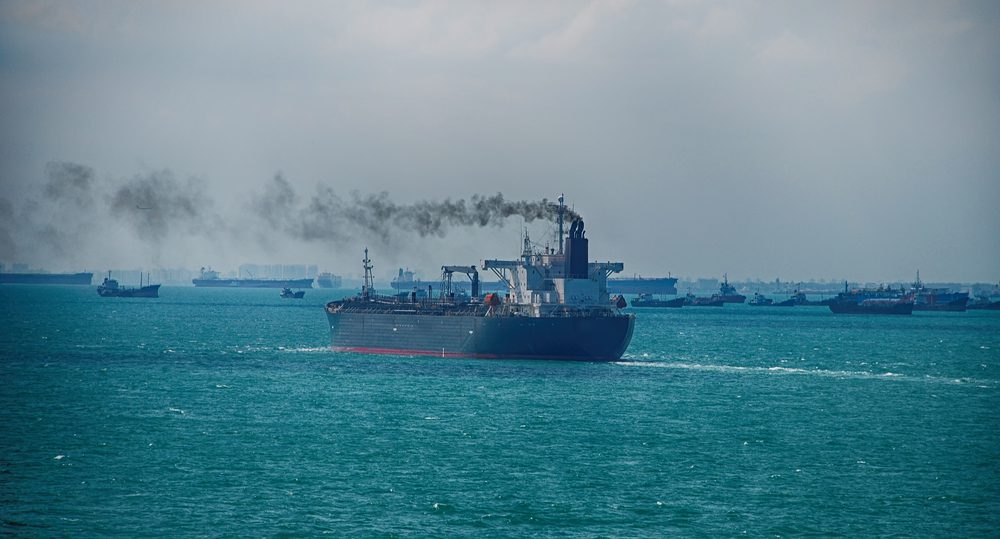
The U.S. Maritime Administration has entered into a formal cooperation agreement with CORE POWER to investigate the potential for domestic nuclear-propelled commercial vessels. According to gCaptain, this partnership represents the third major agreement under a broader Department of Transportation initiative focused on integrating small modular reactors into the shipping sector. The effort aligns with a strategic push by the Trump administration to link national maritime strength with energy dominance.
The collaboration seeks to navigate significant hurdles currently preventing the commercialization of nuclear shipping. These include establishing protocols for port operations, determining how to credential crews for nuclear service, and securing necessary insurance and financing. Maritime Administrator Stephen Carmel noted that the transition must be managed as a complete system that is both safe and investable, rather than focusing solely on the technology itself.
This move follows similar preliminary agreements between the government and the ports of Long Beach and Corpus Christi, which are exploring shoreside power and testing environments. Unlike those port-specific deals, the new arrangement brings a technology developer directly into the process. CORE POWER leadership suggests these steps are necessary for American competitiveness, as other nations like China are already advancing toward utilizing nuclear energy for large-scale merchant shipping operations.
While the agreements signify an acceleration of interest in the sector, they remain strictly exploratory. The federal government has not yet authorized the construction of any nuclear vessels or committed to a specific reactor design. Instead, the current phase focuses on coordinating with various federal agencies to address the high costs and complex safety standards that have historically limited nuclear power to naval and icebreaking fleets.
Editorial Desk — Trade Flow Insight. Reporting and market notes compiled by the Trade Flow Insight editorial team.
Verwandte Beiträge

FMCSAs Elison äußert sich erneut zu Motus, weiterhin kein Datum für vollständige Reparatur
Chattanooga – Es ist noch nicht lange her – weniger als einen Monat –, dass Jesse Elison auf einer Branchenveranstaltung das Problem des angeschlagenen neuen Motus-Registrierungssystems ansprach. Der stellvertretende Administrator der Federal Motor Carrier Safety Administration (FMCSA) sprach am Montag auf dem Broker Compliance Symposium von FreightWaves, einer von zwei eintägigen Sitzungen, die als Auftakt zum größeren, am Dienstag beginnenden Future of Freight Festival hier dienen. Die wichtigste Nachricht seiner Präsentation war eigentlich keine: nachdem er Anfang Oktober bei der National M

Mexikanische Lkw-Fahrer starten landesweiten Streik wegen Autobahnsicherheit und steigender Kosten
Mexikanische Transportunternehmen haben am Montag einen unbefristeten landesweiten Streik begonnen, um gegen die Unsicherheit auf Autobahnen, Ladungsdiebstahl, Erpressung und steigende Betriebskosten zu protestieren. Demonstrationen sind in wichtigen Logistikzentren entlang der Grenze zwischen den USA und Mexiko geplant. Der von der National Chamber of Freight Transportation (CANACAR) und anderen Transportverbänden organisierte Streik ruft zu Protesten in ganz Mexiko auf, darunter in Nuevo Laredo, Reynosa, Monterrey, Tijuana und Mexiko-Stadt. Die Proteste könnten den Güterverkehr durch einige

Trump-Regierung stellt Seafood-Strategie zur Stärkung der US-Fischereiflotte und der heimischen Produktion vor
Die Trump-Regierung hat am Freitag ihre „America First Seafood Strategy“ vorgestellt. Der Plan sieht vor, die kommerzielle US-Fischereiindustrie durch regulatorische Reformen sowie Investitionen in Fischereifahrzeuge und Hafeninfrastruktur zu stärken.