
U.S. Threatens Iran’s Trading Partners in New Economic Pressure Campaign
Treasury Secretary Scott Bessent announces an aggressive economic campaign to isolate Iran by threatening sanctions against global trading partners and financial institutions.
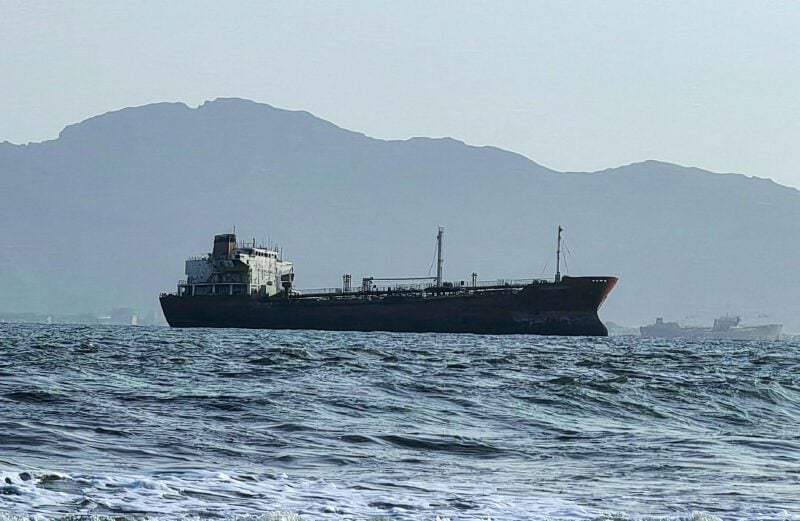
U.S. Treasury Secretary Scott Bessent has announced a major economic offensive designed to sever Iran's international financial ties. According to gCaptain, the strategy involves pressuring foreign governments to end their commercial interactions with the Iranian regime or face unilateral American penalties. President Trump has reportedly begun contacting world leaders directly to issue specific demands and timelines for cutting these economic links to end months of ongoing regional conflict.
The new measures specifically target five sectors identified as essential to the Iranian economy: shipping, aviation, gold, technology, and digital assets. While the Treasury recently blacklisted more than 60 entities, officials indicated that a significant financial institution could be sanctioned by the end of the week. Bessent described the administration's broad strategy as an effort to achieve the "economic asphyxiation of this regime" through global financial isolation.
The campaign faces significant challenges regarding major oil consumers like China, which remains a primary buyer of Iranian crude. While the administration maintains that no nation is immune to U.S. sanctions, it has opted for diplomacy over immediate penalties against large foreign banks to avoid destabilizing the global financial system. Analysts suggest the true effectiveness of the policy depends on whether the U.S. will risk trade stability to enforce these secondary sanctions.
Iranian officials have dismissed the threats as empty rhetoric, claiming the United States lacks the economic leverage to further restrict global trade relations. Meanwhile, the prospect of heightened enforcement creates uncertainty for key regional partners like Turkey, which relies on Iran for energy supplies. The U.S. move follows previous attempts to curb Iranian influence, yet it remains unclear if these latest financial pressures will secure control over vital maritime corridors like the Strait of Hormuz.
Editorial Desk — Trade Flow Insight. Reporting and market notes compiled by the Trade Flow Insight editorial team.
Verwandte Beiträge

FMCSAs Elison äußert sich erneut zu Motus, weiterhin kein Datum für vollständige Reparatur
Chattanooga – Es ist noch nicht lange her – weniger als einen Monat –, dass Jesse Elison auf einer Branchenveranstaltung das Problem des angeschlagenen neuen Motus-Registrierungssystems ansprach. Der stellvertretende Administrator der Federal Motor Carrier Safety Administration (FMCSA) sprach am Montag auf dem Broker Compliance Symposium von FreightWaves, einer von zwei eintägigen Sitzungen, die als Auftakt zum größeren, am Dienstag beginnenden Future of Freight Festival hier dienen. Die wichtigste Nachricht seiner Präsentation war eigentlich keine: nachdem er Anfang Oktober bei der National M

Mexikanische Lkw-Fahrer starten landesweiten Streik wegen Autobahnsicherheit und steigender Kosten
Mexikanische Transportunternehmen haben am Montag einen unbefristeten landesweiten Streik begonnen, um gegen die Unsicherheit auf Autobahnen, Ladungsdiebstahl, Erpressung und steigende Betriebskosten zu protestieren. Demonstrationen sind in wichtigen Logistikzentren entlang der Grenze zwischen den USA und Mexiko geplant. Der von der National Chamber of Freight Transportation (CANACAR) und anderen Transportverbänden organisierte Streik ruft zu Protesten in ganz Mexiko auf, darunter in Nuevo Laredo, Reynosa, Monterrey, Tijuana und Mexiko-Stadt. Die Proteste könnten den Güterverkehr durch einige

Trump-Regierung stellt Seafood-Strategie zur Stärkung der US-Fischereiflotte und der heimischen Produktion vor
Die Trump-Regierung hat am Freitag ihre „America First Seafood Strategy“ vorgestellt. Der Plan sieht vor, die kommerzielle US-Fischereiindustrie durch regulatorische Reformen sowie Investitionen in Fischereifahrzeuge und Hafeninfrastruktur zu stärken.