
Washington turns to nuclear power in shipbuilding revival
The United States Maritime Administration and CORE POWER have signed a cooperation agreement to develop a domestic fleet of nuclear-powered commercial vessels.
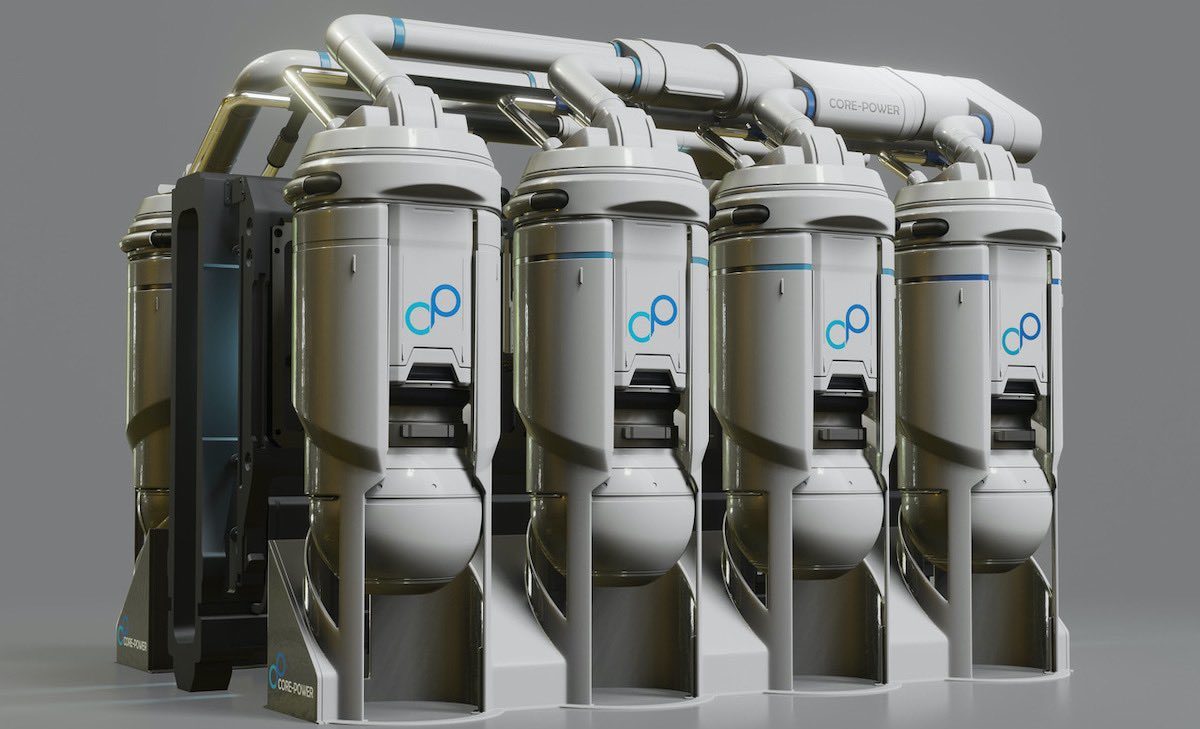
The United States Maritime Administration has entered into a formal cooperation agreement with CORE POWER to facilitate the development of nuclear-powered commercial vessels under the American flag. According to Splash 247, the partnership aims to overcome longstanding barriers that have previously limited nuclear propulsion technology to military applications. While the agreement does not involve direct financial commitments or vessel procurement by the government, it seeks to address regulatory and operational hurdles. This initiative aligns with a broader strategy by the Trump administration to revitalize domestic maritime capabilities in response to international competition. CORE POWER CEO Mikal Bøe noted that foreign competitors are already pursuing nuclear merchant ships, stating that this reality "should focus minds in Washington." The proposed model involves utilizing allied shipyards in Japan and South Korea for hull construction, while focusing nuclear integration and lifecycle support within the United States. The collaboration will establish a framework to tackle complex issues including reactor fueling, insurance, port access, and workforce training. This movement coincides with international efforts to update maritime safety codes for nuclear vessels by 2030. Additionally, other industry leaders are exploring similar paths, with Maersk reportedly preparing to investigate a transatlantic nuclear shipping corridor between the United Kingdom and the United States.
Editorial Desk — Trade Flow Insight. Reporting and market notes compiled by the Trade Flow Insight editorial team.
Verwandte Beiträge

FMCSAs Elison äußert sich erneut zu Motus, weiterhin kein Datum für vollständige Reparatur
Chattanooga – Es ist noch nicht lange her – weniger als einen Monat –, dass Jesse Elison auf einer Branchenveranstaltung das Problem des angeschlagenen neuen Motus-Registrierungssystems ansprach. Der stellvertretende Administrator der Federal Motor Carrier Safety Administration (FMCSA) sprach am Montag auf dem Broker Compliance Symposium von FreightWaves, einer von zwei eintägigen Sitzungen, die als Auftakt zum größeren, am Dienstag beginnenden Future of Freight Festival hier dienen. Die wichtigste Nachricht seiner Präsentation war eigentlich keine: nachdem er Anfang Oktober bei der National M

Mexikanische Lkw-Fahrer starten landesweiten Streik wegen Autobahnsicherheit und steigender Kosten
Mexikanische Transportunternehmen haben am Montag einen unbefristeten landesweiten Streik begonnen, um gegen die Unsicherheit auf Autobahnen, Ladungsdiebstahl, Erpressung und steigende Betriebskosten zu protestieren. Demonstrationen sind in wichtigen Logistikzentren entlang der Grenze zwischen den USA und Mexiko geplant. Der von der National Chamber of Freight Transportation (CANACAR) und anderen Transportverbänden organisierte Streik ruft zu Protesten in ganz Mexiko auf, darunter in Nuevo Laredo, Reynosa, Monterrey, Tijuana und Mexiko-Stadt. Die Proteste könnten den Güterverkehr durch einige

Trump-Regierung stellt Seafood-Strategie zur Stärkung der US-Fischereiflotte und der heimischen Produktion vor
Die Trump-Regierung hat am Freitag ihre „America First Seafood Strategy“ vorgestellt. Der Plan sieht vor, die kommerzielle US-Fischereiindustrie durch regulatorische Reformen sowie Investitionen in Fischereifahrzeuge und Hafeninfrastruktur zu stärken.