
A Subdued Asian Summit Sharpens the Contrast Between Xi and Trump
Chinese leader Xi Jinping maintained a low profile at the recent Shanghai Cooperation Organization summit in Bishkek, emphasizing Beijing's role as a stable alternative to Western diplomacy.
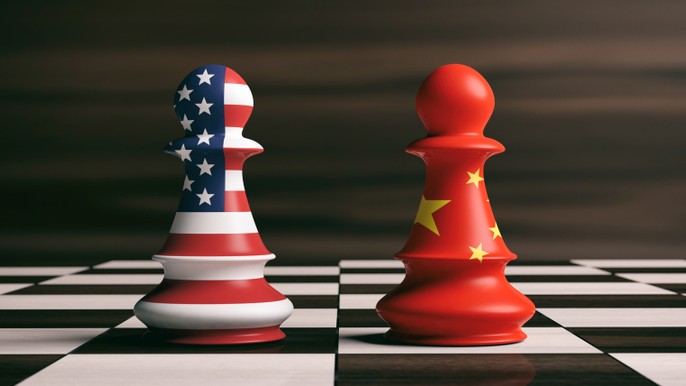
The most recent Shanghai Cooperation Organization (SCO) summit in Bishkek was characterized by a lack of major announcements or viral moments, according to a report from OilPrice.com. Observers noted that the event was unusually quiet compared to previous meetings, with few headlines generated by Chinese President Xi Jinping. Instead of high-profile agreements, the summit proceedings focused on projecting an image of regional stability and diplomatic continuity among the participating member states.
Analysts suggest the understated tone was intentional, allowing China to present itself as a reliable global actor in contrast to the perceived volatility of United States foreign policy. While the U.S. manages trade disputes and shifting military commitments, Beijing used the SCO platform to highlight its adherence to international norms. Experts cited by OilPrice.com noted that China’s predictable behavior serves as a strategic counterpoint to the current diplomatic friction seen within Western alliances.
Energy trade remains a central pillar of these regional relationships. China has increasingly supported the economies of its neighbors through significant oil and gas purchases, particularly from Russia. Furthermore, Beijing has begun addressing fuel shortages in Central Asia caused by regional supply disruptions. The first shipments of Chinese fuel oil arrived in Kyrgyzstan recently, and Tajikistan is reportedly engaged in similar negotiations to secure energy supplies from the Chinese government.
Despite the display of unity, the summit revealed underlying tensions and a lack of substantive action on major global conflicts. While leaders discussed theoretical progress on a regional development bank and security initiatives, some participants expressed frustration over the organization's restraint. Representatives from Belarus and Iran specifically urged the SCO’s most powerful members—China, India, and Russia—to take more decisive steps toward establishing a multipolar world order rather than just maintaining the status quo.
Helena Marsh — Energy Markets Editor. Helena covers crude, refined products and the trading houses that move them, with a focus on price formation in the Mediterranean and Black Sea.
Related coverage
Brent Hits $114 as Houthi Attacks Threaten Saudi Energy Infrastructure
Crude oil prices were on course to book a sharp weekly gain, with Brent crude on track for gains of about $6 per barrel and WTI registering a much more modest tick higher, from around $99 per barrel on Monday to over $100 earlier today. At the time of writing, Brent crude was trading at $114.00 per barrel, and West Texas Intermediate was changing hands for $100.40 per barrel, as hostilities in the Middle East remain front-page news for oil traders. The focus, however, seems to be on Houthi attacks on Saudi infrastructure, including Aramco facilities.…
Why Trump Can't Afford to Lose The Rare Earth Race
For years, the West has searched for a technological escape hatch from rare earths. Engineers have developed new motor designs, alternative magnet chemistries, and materials that reduce or even eliminate the need for some critical minerals. Every time China tightens export controls, those efforts receive another burst of attention. They're worth pursuing. But they don't answer the question manufacturers have to solve today. Production capacity has become the number one scarce asset. That realization is driving one of the most ambitious industrial…
Middle East Chemicals Keep Their Cost Edge Despite Hormuz Crisis
Despite the Iran war and the Hormuz crisis, the Middle East’s low-cost chemicals production is set to retain its long-term advantage over other regions. Near-term shifts in the sourcing of polymers are taking place due to the current constraints in the Persian Gulf’s industrial base, benefiting U.S. chemicals companies. But in the long run, the Middle East is likely to retain its buyers’ base because it still has the two levers to be competitive on the global market—an extensive production base and, most of all, low-cost…