
Alkagesta Obtains ISCC CORSIA Certification for Sustainable Aviation Fuel
The new certification allows the biofuels firm to supply verified sustainable aviation fuel that meets international greenhouse gas reduction standards for airline compliance.

Alkagesta has secured ISCC CORSIA certification, a development that permits the company to engage in the trade and distribution of Sustainable Aviation Fuel (SAF). According to CCarbon Info, this credential verifies that the fuel products meet specific sustainability and lifecycle greenhouse gas reduction metrics established by the International Civil Aviation Organization (ICAO). The move comes as the global aviation industry enters a period of heightened scrutiny regarding emissions monitoring and regulatory adherence.
By obtaining this certification under an ICAO-approved framework, Alkagesta is now equipped to assist airlines in meeting their environmental mandates. The certification ensures that the fuel supplied is eligible under the Carbon Offsetting and Reduction Scheme for International Aviation (CORSIA). This structured approach to market participation is intended to provide airline counterparties with a reliable supply of SAF that has been vetted through a recognized international sustainability program.
Anthony Guida, a Biofuels Trader and Business Developer at Alkagesta, stated that the achievement highlights the firm's focus on "structured, compliant market participation." Guida noted that the certification establishes a transparent chain of custody and full traceability throughout the fuel supply chain. This transparency is critical for helping market participants adhere to both regional and international requirements for renewable fuel adoption in the aviation sector, according to the report.
The regulatory environment for aviation is becoming more stringent, particularly within Europe where initiatives like ReFuelEU Aviation have set mandatory blending targets for SAF. Furthermore, the European Union's Emissions Trading System is beginning to phase out free carbon allowances, increasing the financial necessity for airlines to utilize lower-carbon fuels. Alkagesta’s new certification aligns with these shifting market dynamics by providing a consistent framework for compliance across different global jurisdictions.
Company coverage file
Alkagesta
Alkagesta is a commodity trading company active in petroleum products, with a business built around fuel oil, gasoil and related refined products. Its activity spans physical supply, storage and the shipping arrangements required to move cargoes between refining centres and demand markets.
All Alkagesta coverage →Helena Marsh — Energy Markets Editor. Helena covers crude, refined products and the trading houses that move them, with a focus on price formation in the Mediterranean and Black Sea.
Related coverage
Brent Hits $114 as Houthi Attacks Threaten Saudi Energy Infrastructure
Crude oil prices were on course to book a sharp weekly gain, with Brent crude on track for gains of about $6 per barrel and WTI registering a much more modest tick higher, from around $99 per barrel on Monday to over $100 earlier today. At the time of writing, Brent crude was trading at $114.00 per barrel, and West Texas Intermediate was changing hands for $100.40 per barrel, as hostilities in the Middle East remain front-page news for oil traders. The focus, however, seems to be on Houthi attacks on Saudi infrastructure, including Aramco facilities.…

Why Trump Can't Afford to Lose The Rare Earth Race
For years, the West has searched for a technological escape hatch from rare earths. Engineers have developed new motor designs, alternative magnet chemistries, and materials that reduce or even eliminate the need for some critical minerals. Every time China tightens export controls, those efforts receive another burst of attention. They're worth pursuing. But they don't answer the question manufacturers have to solve today. Production capacity has become the number one scarce asset. That realization is driving one of the most ambitious industrial…
Middle East Chemicals Keep Their Cost Edge Despite Hormuz Crisis
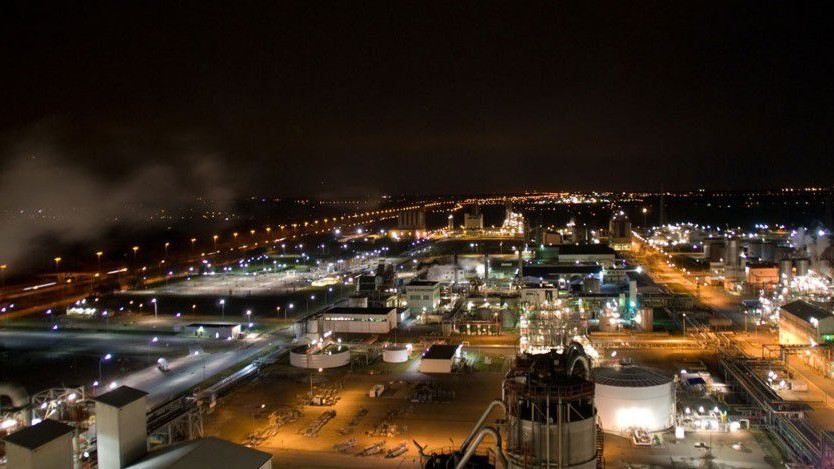
Despite the Iran war and the Hormuz crisis, the Middle East’s low-cost chemicals production is set to retain its long-term advantage over other regions. Near-term shifts in the sourcing of polymers are taking place due to the current constraints in the Persian Gulf’s industrial base, benefiting U.S. chemicals companies. But in the long run, the Middle East is likely to retain its buyers’ base because it still has the two levers to be competitive on the global market—an extensive production base and, most of all, low-cost…