
Asian Refiners Scoop Up US Crude
Asian refineries are significantly increasing their intake of American oil for September, potentially tightening domestic supplies and redirecting flows away from European markets.

Refiners across Asia are set to nearly double their intake of American crude oil for September loadings, according to reporting from Rigzone. Data from industry trackers suggest total volumes could exceed 40 million barrels, a sharp rise from the 22 million barrels projected for August. This shift is driven by the rising costs of Middle Eastern alternatives, such as Abu Dhabi’s Murban grade, which has made U.S. exports more financially attractive to buyers in the region.
The renewed interest follows a period of disruption caused by the ongoing conflict in Iran and the subsequent closure of the Strait of Hormuz. While a temporary memorandum previously allowed some trade to resume, current deadlocks in negotiations have once again strained global supply chains. One recent transaction involved utilizing an Aframax tanker for a faster transit through the Panama Canal, signaling an urgent need for prompt delivery among Asian industrial consumers.
This surge in exports may create a supply squeeze for domestic fuel producers in the United States, who are already operating at near-record levels. Analysts suggest that the increased outflow will likely divert barrels that would otherwise head to Europe. Vortexa analyst Rohit Rathod noted that for American refiners maintaining high output, the current trend “could mean tighter sour crude availability,” particularly as government reserve releases begin to taper off.
Market indicators already show price pressure on medium sour grades like Mars, which is currently trading at a premium relative to West Texas Intermediate. Although the U.S. has seen some relief through Venezuelan imports, the combination of high domestic refinery run rates and aggressive Asian purchasing is expected to limit the typical seasonal growth of American crude inventories this fall.
Editorial Desk — Trade Flow Insight. Reporting and market notes compiled by the Trade Flow Insight editorial team.
Related coverage
Brent Hits $114 as Houthi Attacks Threaten Saudi Energy Infrastructure
Crude oil prices were on course to book a sharp weekly gain, with Brent crude on track for gains of about $6 per barrel and WTI registering a much more modest tick higher, from around $99 per barrel on Monday to over $100 earlier today. At the time of writing, Brent crude was trading at $114.00 per barrel, and West Texas Intermediate was changing hands for $100.40 per barrel, as hostilities in the Middle East remain front-page news for oil traders. The focus, however, seems to be on Houthi attacks on Saudi infrastructure, including Aramco facilities.…

Why Trump Can't Afford to Lose The Rare Earth Race
For years, the West has searched for a technological escape hatch from rare earths. Engineers have developed new motor designs, alternative magnet chemistries, and materials that reduce or even eliminate the need for some critical minerals. Every time China tightens export controls, those efforts receive another burst of attention. They're worth pursuing. But they don't answer the question manufacturers have to solve today. Production capacity has become the number one scarce asset. That realization is driving one of the most ambitious industrial…
Middle East Chemicals Keep Their Cost Edge Despite Hormuz Crisis
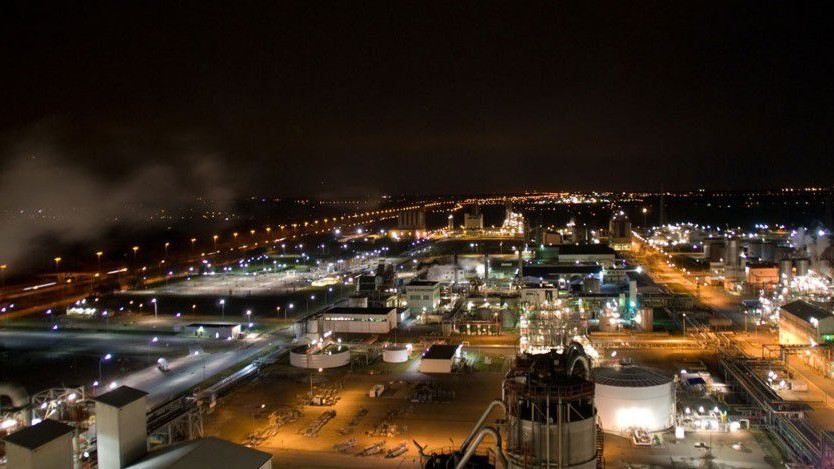
Despite the Iran war and the Hormuz crisis, the Middle East’s low-cost chemicals production is set to retain its long-term advantage over other regions. Near-term shifts in the sourcing of polymers are taking place due to the current constraints in the Persian Gulf’s industrial base, benefiting U.S. chemicals companies. But in the long run, the Middle East is likely to retain its buyers’ base because it still has the two levers to be competitive on the global market—an extensive production base and, most of all, low-cost…