
Can Trump Isolate Iran Without Triggering a Clash With China?
The Trump administration launched a new campaign to isolate Iran financially, risking a diplomatic and economic confrontation with China over its oil purchases and banking ties.
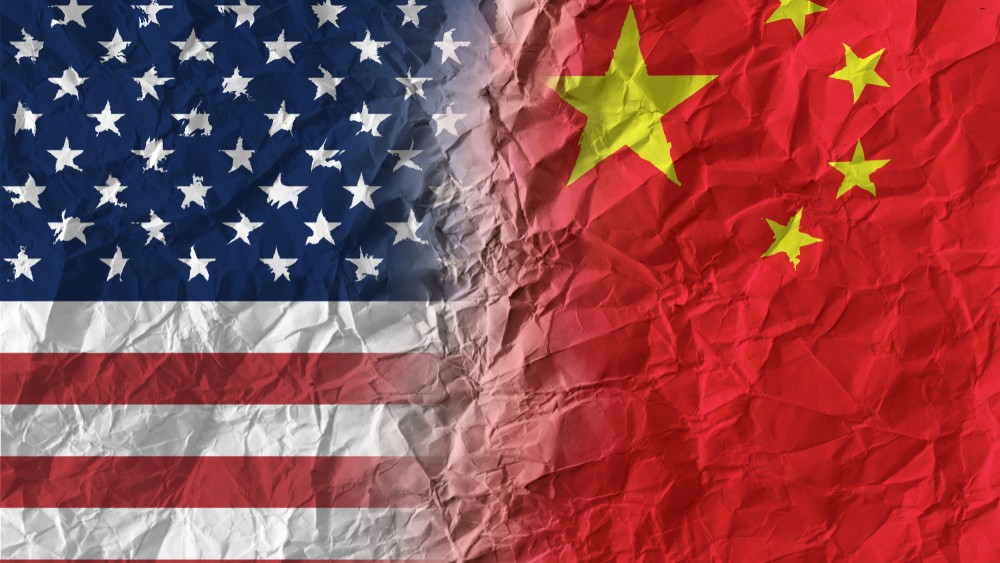
U.S. Treasury Secretary Scott Bessent has introduced a new initiative called Operation Economic Outcast to disconnect Iran from global commerce. According to OilPrice.com, the strategy forces foreign nations to decide between trading with Tehran or maintaining access to American financial markets. While the administration claims it has mapped out every network used to bypass existing restrictions, experts suggest the program’s success hinges on whether Washington will penalize major Chinese institutions.
The campaign faces a significant hurdle in China, which remains the primary purchaser of Iranian crude oil. Bessent noted that entities identified as violators would be given specific windows to end their prohibited relationships or lose access to the U.S. dollar system. However, imposing secondary sanctions on prominent Chinese banks could reignite a trade war just as President Xi Jinping prepares for a scheduled visit to Washington in September.
Former government officials and sanctions experts noted that the current approach serves as a public warning intended to influence behavior through diplomacy before implementing stricter measures. While some analysts believe targeting smaller, specialized banks could minimize global market disruption, others argue that meaningful pressure requires targeting larger entities. The Treasury Secretary emphasized that no organization is exempt, stating, "the clock just started ticking."
China’s embassy in Washington has expressed opposition to the plan, advocating for political dialogue rather than economic pressure. The ultimate effectiveness of the policy remains uncertain, as Tehran has a long history of utilizing front companies and shadow shipping to evade western controls. The administration appears to be using the threat of total isolation as leverage to bring Iran back to the negotiating table regarding regional security issues.
Editorial Desk — Trade Flow Insight. Reporting and market notes compiled by the Trade Flow Insight editorial team.
Related coverage
Brent Hits $114 as Houthi Attacks Threaten Saudi Energy Infrastructure
Crude oil prices were on course to book a sharp weekly gain, with Brent crude on track for gains of about $6 per barrel and WTI registering a much more modest tick higher, from around $99 per barrel on Monday to over $100 earlier today. At the time of writing, Brent crude was trading at $114.00 per barrel, and West Texas Intermediate was changing hands for $100.40 per barrel, as hostilities in the Middle East remain front-page news for oil traders. The focus, however, seems to be on Houthi attacks on Saudi infrastructure, including Aramco facilities.…
Why Trump Can't Afford to Lose The Rare Earth Race
For years, the West has searched for a technological escape hatch from rare earths. Engineers have developed new motor designs, alternative magnet chemistries, and materials that reduce or even eliminate the need for some critical minerals. Every time China tightens export controls, those efforts receive another burst of attention. They're worth pursuing. But they don't answer the question manufacturers have to solve today. Production capacity has become the number one scarce asset. That realization is driving one of the most ambitious industrial…
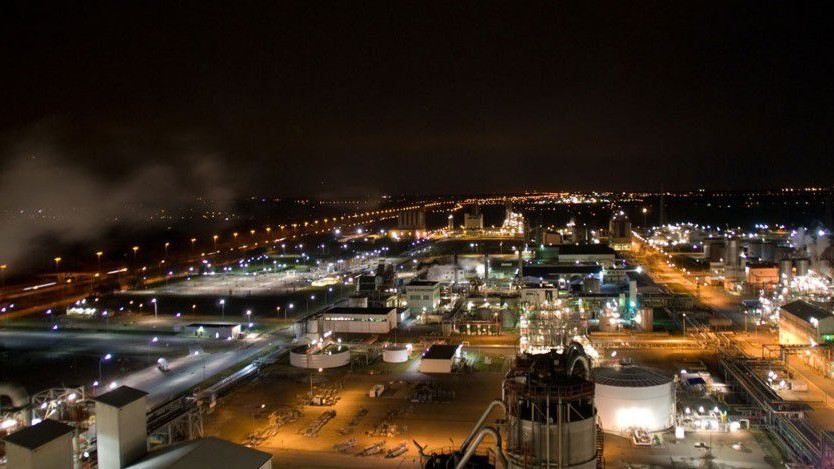
Middle East Chemicals Keep Their Cost Edge Despite Hormuz Crisis
Despite the Iran war and the Hormuz crisis, the Middle East’s low-cost chemicals production is set to retain its long-term advantage over other regions. Near-term shifts in the sourcing of polymers are taking place due to the current constraints in the Persian Gulf’s industrial base, benefiting U.S. chemicals companies. But in the long run, the Middle East is likely to retain its buyers’ base because it still has the two levers to be competitive on the global market—an extensive production base and, most of all, low-cost…