
China’s Top Refiner Seeks Transformation amid Falling Fuel Sales
China's leading state refiner plans to pivot toward chemicals and renewable energy as rising electric vehicle adoption drives domestic fuel demand to a ten-year low.
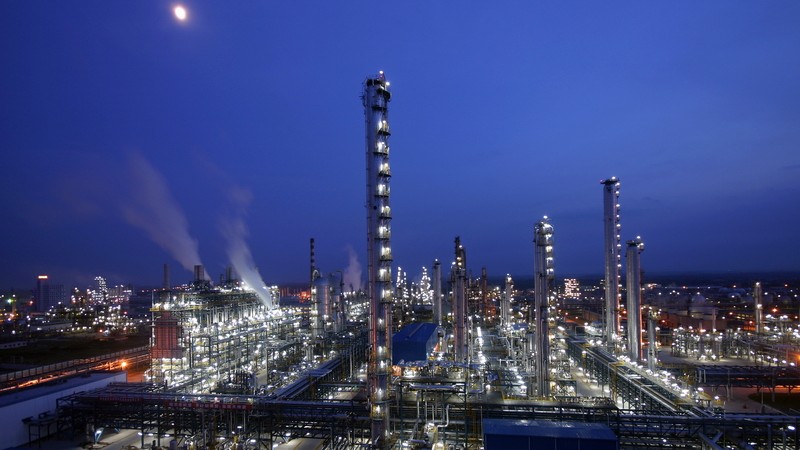
Sinopec, the largest oil refining entity in the world, is initiating a strategic shift in response to a significant downturn in domestic fuel consumption. According to a report by OilPrice.com, the state-owned enterprise plans to redirect capital investments toward chemical production and new energy sectors by 2030. This decision follows a period of weakening earnings linked to the rapid expansion of the electric vehicle market in China.
Data from the first half of 2026 indicates a sharp decline in refined product demand, with gasoline and diesel consumption dropping significantly. While aviation fuel saw a slight increase due to a recovery in international travel, overall chemical demand remained sluggish. The company cited high oil prices and the acceleration of energy substitution as the primary drivers behind these shifting market dynamics.
Chairman Hou Qijun has emphasized the need for the organization to overcome internal inefficiencies and adapt to an environment where half of new vehicles no longer require traditional fuels. To build resilience, the refiner intends to prioritize shale oil development and sustainable aviation fuels. Hou noted that the company must address its internal "big company syndrome" to better navigate these structural changes in the global energy landscape.
Editorial Desk — Trade Flow Insight. Reporting and market notes compiled by the Trade Flow Insight editorial team.
Related coverage
Brent Hits $114 as Houthi Attacks Threaten Saudi Energy Infrastructure
Crude oil prices were on course to book a sharp weekly gain, with Brent crude on track for gains of about $6 per barrel and WTI registering a much more modest tick higher, from around $99 per barrel on Monday to over $100 earlier today. At the time of writing, Brent crude was trading at $114.00 per barrel, and West Texas Intermediate was changing hands for $100.40 per barrel, as hostilities in the Middle East remain front-page news for oil traders. The focus, however, seems to be on Houthi attacks on Saudi infrastructure, including Aramco facilities.…

Why Trump Can't Afford to Lose The Rare Earth Race
For years, the West has searched for a technological escape hatch from rare earths. Engineers have developed new motor designs, alternative magnet chemistries, and materials that reduce or even eliminate the need for some critical minerals. Every time China tightens export controls, those efforts receive another burst of attention. They're worth pursuing. But they don't answer the question manufacturers have to solve today. Production capacity has become the number one scarce asset. That realization is driving one of the most ambitious industrial…
Middle East Chemicals Keep Their Cost Edge Despite Hormuz Crisis
Despite the Iran war and the Hormuz crisis, the Middle East’s low-cost chemicals production is set to retain its long-term advantage over other regions. Near-term shifts in the sourcing of polymers are taking place due to the current constraints in the Persian Gulf’s industrial base, benefiting U.S. chemicals companies. But in the long run, the Middle East is likely to retain its buyers’ base because it still has the two levers to be competitive on the global market—an extensive production base and, most of all, low-cost…