
Citadel Eyes U.S. Shale as Oil Trading Moves Closer to the Wellhead
Citadel is pursuing U.S. shale production assets to bolster its physical commodities trading portfolio amid global supply chain risks.
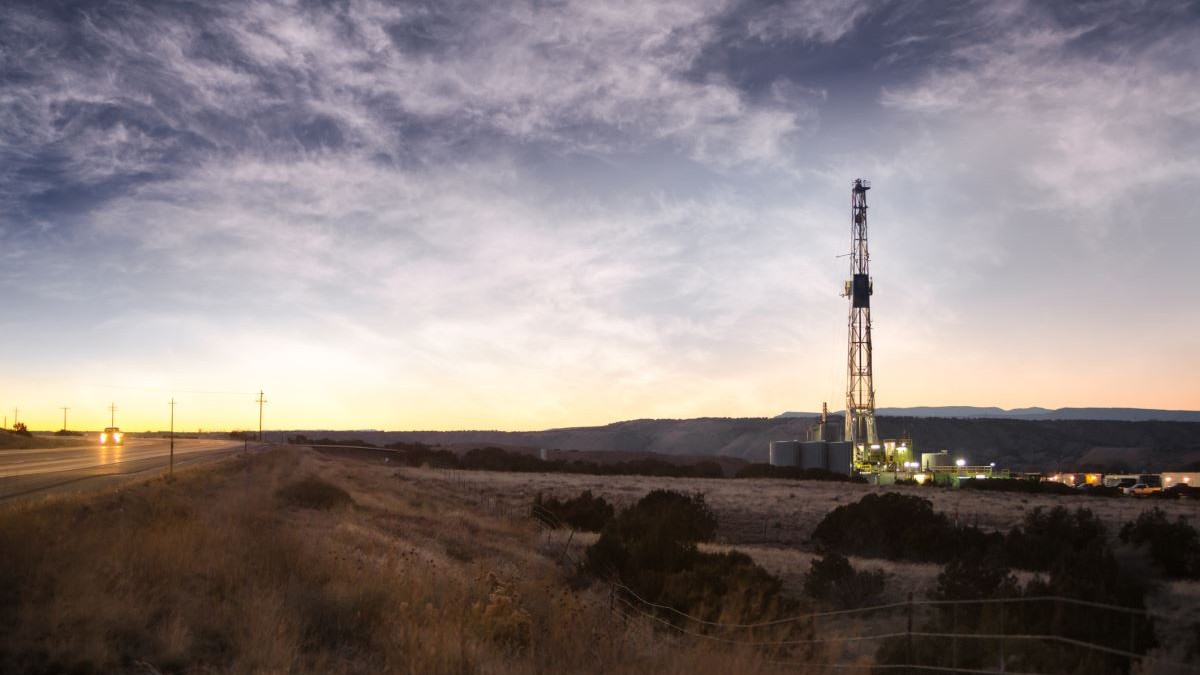
Citadel is actively seeking to acquire oil production assets in the United States as part of a strategy to link its trading operations directly to physical supply. According to OilPrice.com, the hedge fund and commodities trader recently held discussions with private-equity owners of various exploration and production firms. This move follows a failed attempt to purchase WildFire Energy, a producer that was eventually sold to Magnolia Oil & Gas for $4.06 billion in July.
The firm already maintains a presence in the upstream sector through its ownership of Apex Natural Gas, which it formed after acquiring Paloma Natural Gas in 2025. By adding crude oil production to its existing portfolio of gas, power, and commodity trading, Citadel aims to secure physical barrels that are less vulnerable to international shipping disruptions. Founder Ken Griffin has previously highlighted the economic risks associated with potential closures of the Strait of Hormuz.
Citadel’s interest in the U.S. shale sector reflects a broader trend among major commodity traders seeking ownership of raw materials. Other industry players like Vitol and Gunvor have pursued similar strategies by investing in shale and gas assets. These firms are increasingly competing with traditional energy companies for acreage, valuing the security of domestic supply chains that bypass volatile overseas maritime chokepoints and provide direct access to Gulf Coast refineries.
Helena Marsh — Energy Markets Editor. Helena covers crude, refined products and the trading houses that move them, with a focus on price formation in the Mediterranean and Black Sea.
Related coverage
Brent Hits $114 as Houthi Attacks Threaten Saudi Energy Infrastructure
Crude oil prices were on course to book a sharp weekly gain, with Brent crude on track for gains of about $6 per barrel and WTI registering a much more modest tick higher, from around $99 per barrel on Monday to over $100 earlier today. At the time of writing, Brent crude was trading at $114.00 per barrel, and West Texas Intermediate was changing hands for $100.40 per barrel, as hostilities in the Middle East remain front-page news for oil traders. The focus, however, seems to be on Houthi attacks on Saudi infrastructure, including Aramco facilities.…

Why Trump Can't Afford to Lose The Rare Earth Race
For years, the West has searched for a technological escape hatch from rare earths. Engineers have developed new motor designs, alternative magnet chemistries, and materials that reduce or even eliminate the need for some critical minerals. Every time China tightens export controls, those efforts receive another burst of attention. They're worth pursuing. But they don't answer the question manufacturers have to solve today. Production capacity has become the number one scarce asset. That realization is driving one of the most ambitious industrial…
Middle East Chemicals Keep Their Cost Edge Despite Hormuz Crisis
Despite the Iran war and the Hormuz crisis, the Middle East’s low-cost chemicals production is set to retain its long-term advantage over other regions. Near-term shifts in the sourcing of polymers are taking place due to the current constraints in the Persian Gulf’s industrial base, benefiting U.S. chemicals companies. But in the long run, the Middle East is likely to retain its buyers’ base because it still has the two levers to be competitive on the global market—an extensive production base and, most of all, low-cost…