
Food Inflation Jumps as Higher Energy Costs Hit UK Retailers
British retailers are raising prices as climbing energy and commodity expenses impact the supply chain, pushing shop inflation to its highest level in two years.

According to a report from OilPrice.com, shop price inflation in the United Kingdom reached 1.5 percent for the year ending in August. This figure represents a notable increase from the 0.9 percent rise recorded in July and exceeds the three-month average of 1.2 percent. The British Retail Consortium (BRC) indicated that these rising costs are beginning to affect consumer wallets as the summer season concludes.
Food prices have been particularly affected, with inflation in that sector jumping to 2.8 percent from a previous reading of 2.2 percent. While food costs had generally been declining throughout much of the year, this recent reversal suggests that economic pressures are intensifying. BRC Chief Executive Helen Dickinson noted that the impact of expensive energy and commodities is now "beginning to filter through into prices."
The outlook for the remainder of the year remains difficult as retailers struggle with high operating expenses. Dickinson suggested that government intervention, specifically regarding business rates and regulatory burdens, may be necessary to help stores manage these costs. Without such relief, the industry's ability to protect consumers from further price hikes while maintaining employment and investment levels remains limited.
Future inflation trends may depend heavily on geopolitical stability and maritime logistics. Economists suggest that price increases could peak around the end of the year if Middle Eastern tensions ease and the Strait of Hormuz remains open for energy shipments. However, if the strait faces prolonged closures, the Bank of England warns that inflation could potentially exceed four percent, leading to higher interest rates.
Helena Marsh — Energy Markets Editor. Helena covers crude, refined products and the trading houses that move them, with a focus on price formation in the Mediterranean and Black Sea.
Related coverage
Brent Hits $114 as Houthi Attacks Threaten Saudi Energy Infrastructure
Crude oil prices were on course to book a sharp weekly gain, with Brent crude on track for gains of about $6 per barrel and WTI registering a much more modest tick higher, from around $99 per barrel on Monday to over $100 earlier today. At the time of writing, Brent crude was trading at $114.00 per barrel, and West Texas Intermediate was changing hands for $100.40 per barrel, as hostilities in the Middle East remain front-page news for oil traders. The focus, however, seems to be on Houthi attacks on Saudi infrastructure, including Aramco facilities.…

Why Trump Can't Afford to Lose The Rare Earth Race
For years, the West has searched for a technological escape hatch from rare earths. Engineers have developed new motor designs, alternative magnet chemistries, and materials that reduce or even eliminate the need for some critical minerals. Every time China tightens export controls, those efforts receive another burst of attention. They're worth pursuing. But they don't answer the question manufacturers have to solve today. Production capacity has become the number one scarce asset. That realization is driving one of the most ambitious industrial…
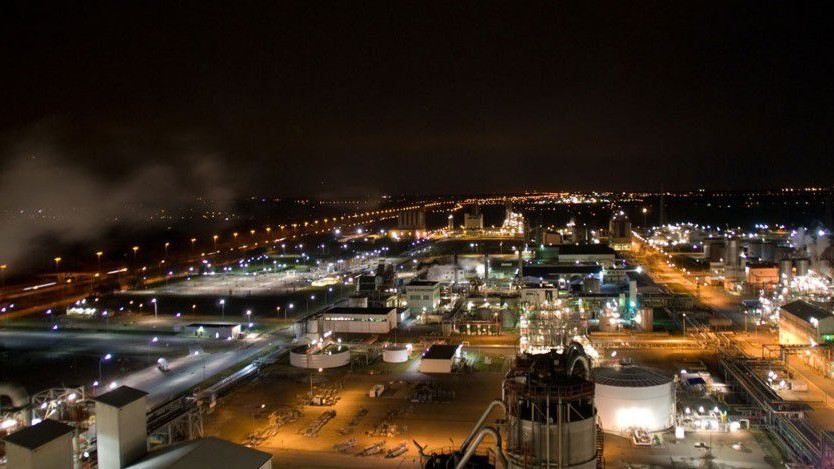
Middle East Chemicals Keep Their Cost Edge Despite Hormuz Crisis
Despite the Iran war and the Hormuz crisis, the Middle East’s low-cost chemicals production is set to retain its long-term advantage over other regions. Near-term shifts in the sourcing of polymers are taking place due to the current constraints in the Persian Gulf’s industrial base, benefiting U.S. chemicals companies. But in the long run, the Middle East is likely to retain its buyers’ base because it still has the two levers to be competitive on the global market—an extensive production base and, most of all, low-cost…