
Hedge Funds Pile Into Fuels as U.S. Supply Squeeze Deepens
Speculative traders are increasing long positions in American fuel contracts as dwindling inventories and refining constraints push diesel and gasoline prices toward record highs.
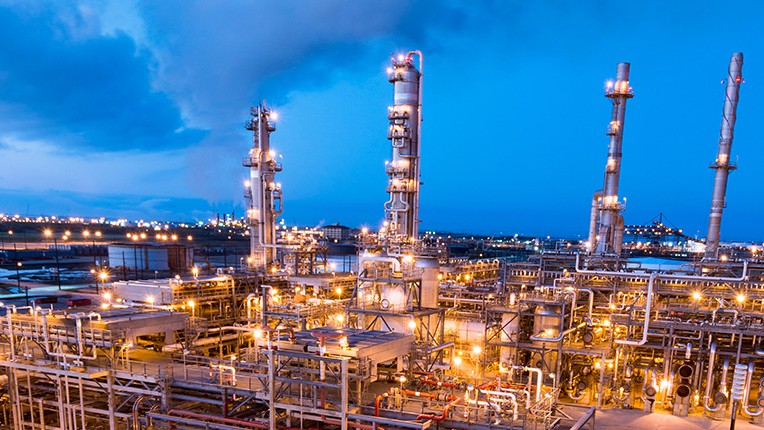
Hedge funds and other speculators have shifted to a bullish stance on refined products, accumulating a net long position of 177 million barrels in gasoline and diesel contracts. According to OilPrice.com, this pivot follows a period of bearish sentiment earlier this year. While traders remain cautious regarding crude oil, the focus has shifted to a supply squeeze in finished fuels driven by geopolitical tensions and domestic infrastructure limits.
The United States is facing a significant tightening of fuel availability due to several structural factors. A reduction in the total number of active refineries compared to previous decades has limited the country's ability to meet demand. Furthermore, U.S. refiners recently prioritized the production of jet fuel and diesel, which led to a drawdown of gasoline inventories to levels described as critical.
Market pressures are most evident in the diesel sector, where the price difference between crude and refined products reached record levels in August. Retail prices have reflected this scarcity, with diesel surpassing $5.90 per gallon. Analysts from ING suggest that middle distillate spreads will likely stay high and volatile because of ongoing disruptions to exports originating from Russia and the Middle East.
The supply outlook remains constrained as the industry enters the seasonal refinery maintenance period, which typically reduces total output for several weeks. With global crude prices trending higher and inventories already low, the current market dynamics suggest that relief from high fuel costs is unlikely in the near term. This environment has solidified the bullish outlook among market speculators.
Helena Marsh — Energy Markets Editor. Helena covers crude, refined products and the trading houses that move them, with a focus on price formation in the Mediterranean and Black Sea.
Related coverage
Brent Hits $114 as Houthi Attacks Threaten Saudi Energy Infrastructure
Crude oil prices were on course to book a sharp weekly gain, with Brent crude on track for gains of about $6 per barrel and WTI registering a much more modest tick higher, from around $99 per barrel on Monday to over $100 earlier today. At the time of writing, Brent crude was trading at $114.00 per barrel, and West Texas Intermediate was changing hands for $100.40 per barrel, as hostilities in the Middle East remain front-page news for oil traders. The focus, however, seems to be on Houthi attacks on Saudi infrastructure, including Aramco facilities.…

Why Trump Can't Afford to Lose The Rare Earth Race
For years, the West has searched for a technological escape hatch from rare earths. Engineers have developed new motor designs, alternative magnet chemistries, and materials that reduce or even eliminate the need for some critical minerals. Every time China tightens export controls, those efforts receive another burst of attention. They're worth pursuing. But they don't answer the question manufacturers have to solve today. Production capacity has become the number one scarce asset. That realization is driving one of the most ambitious industrial…
Middle East Chemicals Keep Their Cost Edge Despite Hormuz Crisis
Despite the Iran war and the Hormuz crisis, the Middle East’s low-cost chemicals production is set to retain its long-term advantage over other regions. Near-term shifts in the sourcing of polymers are taking place due to the current constraints in the Persian Gulf’s industrial base, benefiting U.S. chemicals companies. But in the long run, the Middle East is likely to retain its buyers’ base because it still has the two levers to be competitive on the global market—an extensive production base and, most of all, low-cost…