
High Oil Prices Speed Up China’s Shift Away From Crude
Increased crude costs are pushing Chinese transport and industry toward electrification, resulting in a significant drop in oil demand and carbon emissions.
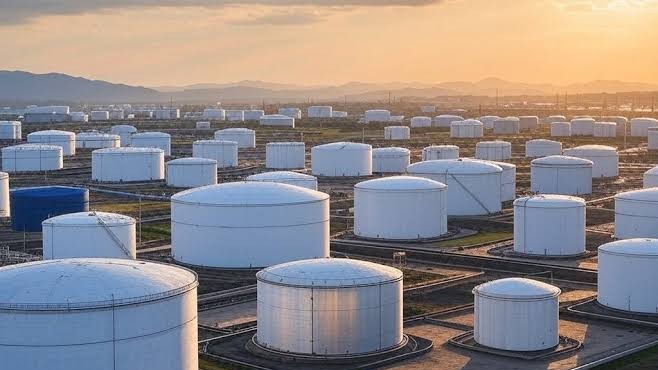
High global oil prices have prompted a significant reduction in Chinese petroleum usage, with consumption falling 9% during the second quarter compared to the previous year. According to OilPrice.com, this shift was largely driven by the adoption of electric vehicles and alternative-fuel machinery. Elevated crude prices followed supply disruptions in the Persian Gulf and restricted traffic through the Strait of Hormuz, causing China to decrease its reliance on imports and utilize existing inventories.
The transition toward electric power is notably visible in the trucking and construction sectors. During the first half of 2026, electric vehicles displaced approximately 36 million metric tons of oil, representing one-third of the total demand reduction. The trucking industry saw a 90% increase in the use of alternative fuels between January and June, which significantly lowered diesel consumption. Additionally, the replacement of diesel machinery in mining and construction further eroded traditional fuel demand.
Data from the Centre for Research on Energy and Clean Air indicates that lower oil consumption led to a 1% decline in China's quarterly carbon dioxide emissions. This marks the first time such a drop was primarily attributed to reduced oil use rather than other energy sectors. While emissions from the power sector rose by 3% due to higher coal generation, the displacement of gasoline and diesel by the massive electric vehicle fleet continues to alter the country’s energy profile.
Market analysts suggest that the ongoing trend of weakening oil demand and stagnant property sector activity could lead to a full-year decline in Chinese emissions. The impact of $90-plus crude is accelerating the displacement of diesel across the nation's logistics networks. As the world's largest importer of crude, China's accelerating pivot toward electrification carries substantial implications for global oil producers and international energy markets.
Helena Marsh — Energy Markets Editor. Helena covers crude, refined products and the trading houses that move them, with a focus on price formation in the Mediterranean and Black Sea.
Related coverage
Brent Hits $114 as Houthi Attacks Threaten Saudi Energy Infrastructure
Crude oil prices were on course to book a sharp weekly gain, with Brent crude on track for gains of about $6 per barrel and WTI registering a much more modest tick higher, from around $99 per barrel on Monday to over $100 earlier today. At the time of writing, Brent crude was trading at $114.00 per barrel, and West Texas Intermediate was changing hands for $100.40 per barrel, as hostilities in the Middle East remain front-page news for oil traders. The focus, however, seems to be on Houthi attacks on Saudi infrastructure, including Aramco facilities.…

Why Trump Can't Afford to Lose The Rare Earth Race
For years, the West has searched for a technological escape hatch from rare earths. Engineers have developed new motor designs, alternative magnet chemistries, and materials that reduce or even eliminate the need for some critical minerals. Every time China tightens export controls, those efforts receive another burst of attention. They're worth pursuing. But they don't answer the question manufacturers have to solve today. Production capacity has become the number one scarce asset. That realization is driving one of the most ambitious industrial…
Middle East Chemicals Keep Their Cost Edge Despite Hormuz Crisis
Despite the Iran war and the Hormuz crisis, the Middle East’s low-cost chemicals production is set to retain its long-term advantage over other regions. Near-term shifts in the sourcing of polymers are taking place due to the current constraints in the Persian Gulf’s industrial base, benefiting U.S. chemicals companies. But in the long run, the Middle East is likely to retain its buyers’ base because it still has the two levers to be competitive on the global market—an extensive production base and, most of all, low-cost…