
Iran’s Disappearing Oil Is Becoming Everyone’s Problem
A collapse in Iranian crude exports following a US blockade is forcing Chinese independent refiners to compete for expensive global alternatives as the region's floating storage depletes.
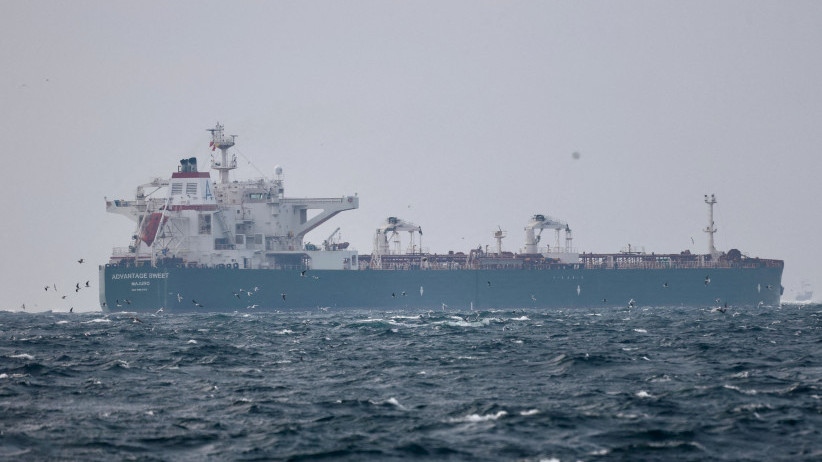
According to OilPrice.com, Iranian crude exports have fallen sharply as a U.S. blockade and geopolitical shifts restrict shipments. Loadings at Kharg Island dropped to zero in September, down from 1.8 million barrels per day in March. While a temporary memorandum allowed some cargoes to pass during the summer, that reprieve has ended. Consequently, Tehran is facing significant production pressure, with onshore storage tanks reaching roughly 60% capacity and output potentially falling below pre-war levels.
China, the primary buyer of Iranian oil, has relied on a massive floating stockpile to maintain its supply. This cushion has shrunk from 160 million barrels in April to approximately 86 million barrels, with over a quarter currently trapped inside the Persian Gulf. As these stocks diminish, Chinese imports of Iranian crude fell to 475,000 barrels per day in September, a significant decrease from the 1.76 million barrels per day recorded in April.
Independent refiners in China, known as 'teapots,' are now forced to seek more expensive grades from Brazil, Guyana, and West Africa. OilPrice.com reports that competition for Russian oil is also driving premiums to record highs. Although the Chinese government has increased import quotas for non-state refiners to record levels, this move does not mitigate the rising costs of freight and the scarcity of available barrels in the global market.
The disruption poses broader risks to global energy flows. While Iranian oil remains blocked, neighboring producers are moving 13 million barrels per day through the Strait of Hormuz. The report suggests that Tehran’s shrinking export revenue and mounting financial pressure may create an incentive for Iran to disrupt these regional maritime flows. This situation leaves global buyers facing tightened supplies and the potential for further volatility in the Middle East.
Helena Marsh — Energy Markets Editor. Helena covers crude, refined products and the trading houses that move them, with a focus on price formation in the Mediterranean and Black Sea.
Related coverage
Brent Hits $114 as Houthi Attacks Threaten Saudi Energy Infrastructure
Crude oil prices were on course to book a sharp weekly gain, with Brent crude on track for gains of about $6 per barrel and WTI registering a much more modest tick higher, from around $99 per barrel on Monday to over $100 earlier today. At the time of writing, Brent crude was trading at $114.00 per barrel, and West Texas Intermediate was changing hands for $100.40 per barrel, as hostilities in the Middle East remain front-page news for oil traders. The focus, however, seems to be on Houthi attacks on Saudi infrastructure, including Aramco facilities.…

Why Trump Can't Afford to Lose The Rare Earth Race
For years, the West has searched for a technological escape hatch from rare earths. Engineers have developed new motor designs, alternative magnet chemistries, and materials that reduce or even eliminate the need for some critical minerals. Every time China tightens export controls, those efforts receive another burst of attention. They're worth pursuing. But they don't answer the question manufacturers have to solve today. Production capacity has become the number one scarce asset. That realization is driving one of the most ambitious industrial…
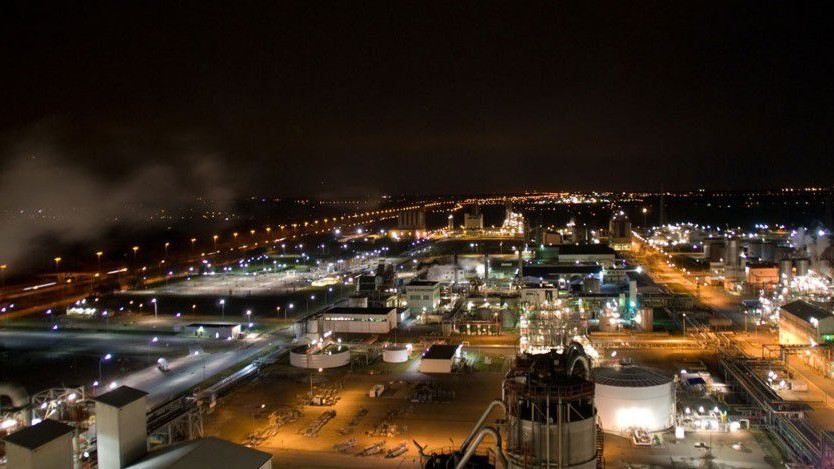
Middle East Chemicals Keep Their Cost Edge Despite Hormuz Crisis
Despite the Iran war and the Hormuz crisis, the Middle East’s low-cost chemicals production is set to retain its long-term advantage over other regions. Near-term shifts in the sourcing of polymers are taking place due to the current constraints in the Persian Gulf’s industrial base, benefiting U.S. chemicals companies. But in the long run, the Middle East is likely to retain its buyers’ base because it still has the two levers to be competitive on the global market—an extensive production base and, most of all, low-cost…