
Oil Prices Fall as Iran Negotiation Hopes Return
Brent crude prices declined to $89 as Pakistani mediation efforts offered hope for a negotiated settlement following the announcement of new U.S. sanctions against Iran.
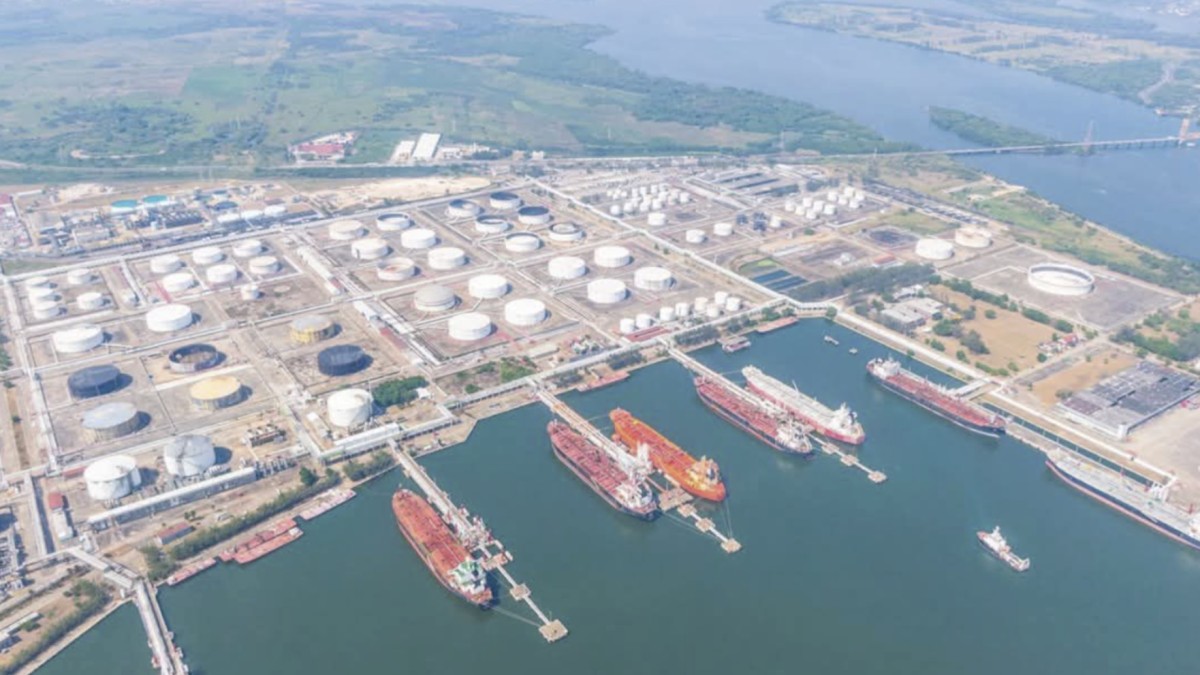
Brent crude values dipped to $89 per barrel as market participants weighed new geopolitical developments. According to OilPrice.com, the decline followed reports of mediation attempts by Pakistan, which countered upward price pressure generated by recent statements from U.S. Treasury Secretary Scott Bessent. Traders remain hopeful that these diplomatic efforts could result in a negotiated settlement despite escalating tensions between Washington and Tehran.
The U.S. administration has intensified its pressure campaign through what officials call "economic D-Day" measures. These sanctions threaten to exclude Iran’s global trading partners from the dollar-based financial system if they do not cease operations with the nation. Meanwhile, Iran has countered by blacklisting dozens of tankers for unauthorized transits through the Strait of Hormuz, causing a significant collapse in regional maritime traffic.
Supply constraints remain evident as Iranian crude exports fell to approximately 0.3 million barrels per day in August, a sharp decrease from the yearly average. This slump is attributed to a naval blockade in the Gulf of Oman and dwindling floating storage. While Chinese buyers have utilized existing inventories to maintain import levels, experts suggest these stocks may be exhausted by October if current shipping restrictions persist.
Editorial Desk — Trade Flow Insight. Reporting and market notes compiled by the Trade Flow Insight editorial team.
Related coverage
Brent Hits $114 as Houthi Attacks Threaten Saudi Energy Infrastructure
Crude oil prices were on course to book a sharp weekly gain, with Brent crude on track for gains of about $6 per barrel and WTI registering a much more modest tick higher, from around $99 per barrel on Monday to over $100 earlier today. At the time of writing, Brent crude was trading at $114.00 per barrel, and West Texas Intermediate was changing hands for $100.40 per barrel, as hostilities in the Middle East remain front-page news for oil traders. The focus, however, seems to be on Houthi attacks on Saudi infrastructure, including Aramco facilities.…
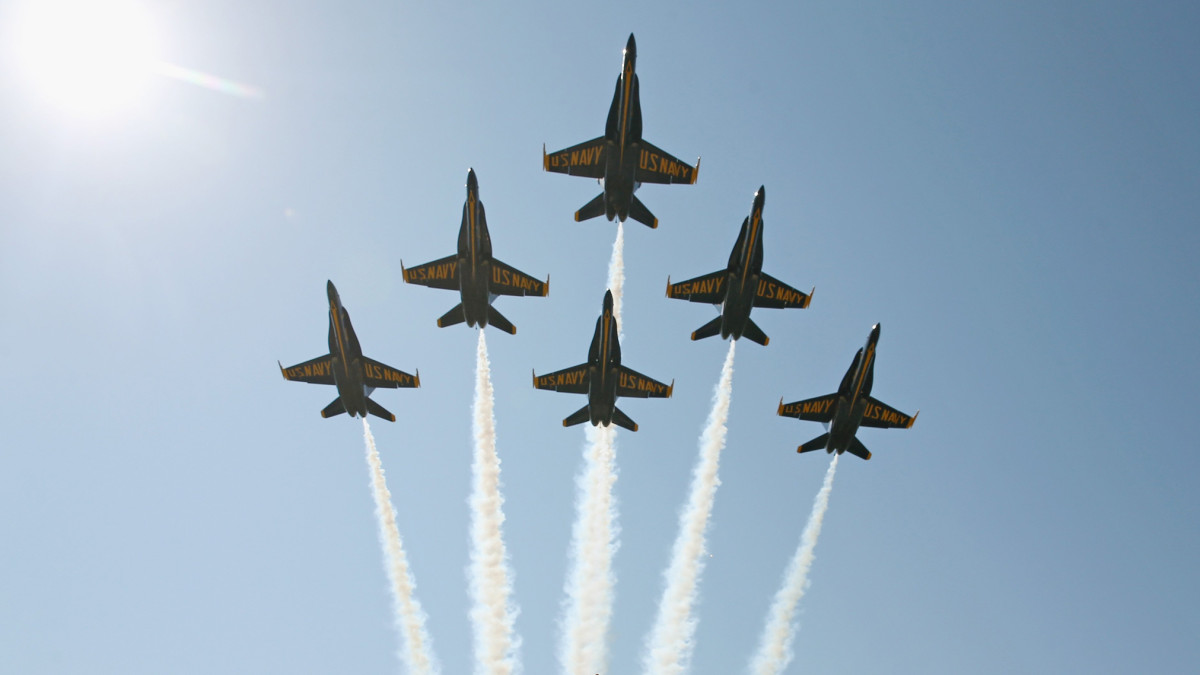
Why Trump Can't Afford to Lose The Rare Earth Race
For years, the West has searched for a technological escape hatch from rare earths. Engineers have developed new motor designs, alternative magnet chemistries, and materials that reduce or even eliminate the need for some critical minerals. Every time China tightens export controls, those efforts receive another burst of attention. They're worth pursuing. But they don't answer the question manufacturers have to solve today. Production capacity has become the number one scarce asset. That realization is driving one of the most ambitious industrial…
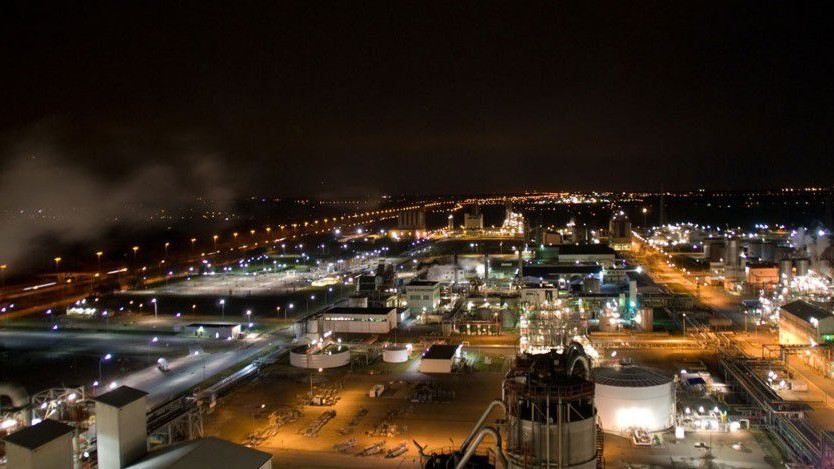
Middle East Chemicals Keep Their Cost Edge Despite Hormuz Crisis
Despite the Iran war and the Hormuz crisis, the Middle East’s low-cost chemicals production is set to retain its long-term advantage over other regions. Near-term shifts in the sourcing of polymers are taking place due to the current constraints in the Persian Gulf’s industrial base, benefiting U.S. chemicals companies. But in the long run, the Middle East is likely to retain its buyers’ base because it still has the two levers to be competitive on the global market—an extensive production base and, most of all, low-cost…