
Oil Retreats While Iran Pressure Builds
Crude prices dropped as the U.S. Treasury Department unveiled a broad sanctions initiative aimed at isolating the Iranian economy and securing the Strait of Hormuz.
Crude oil futures experienced a decline following an announcement from U.S. Treasury Secretary Scott Bessent regarding a new initiative to isolate Iran from international markets. According to Rigzone, West Texas Intermediate fell over two percent to settle near $85, while Brent crude also finished lower. Despite the administration comparing the scale of these upcoming economic measures to historic military operations, market prices saw limited volatility immediately following the official press briefing.
The Treasury Department has already identified sixty individuals, vessels, and entities involved in facilitating Iran's nuclear and missile programs. While the U.S. aims to curb Tehran's influence over critical energy corridors, the specific timeline for further actions remains undisclosed. Jorge Leon of Rystad Energy noted that "the biggest oil-market risk may not be the sanctions themselves, but Iran's response to them," citing the potential for disrupted exports across the region.
Tensions remain high as the conflict enters its sixth month, impacting global energy logistics. In the Red Sea, Houthi forces recently targeted a Saudi supertanker, further complicating maritime security. Meanwhile, demand signals from China appear weak, with major refiner Sinopec reporting a significant drop in gasoline and diesel consumption. This decrease is attributed to a combination of elevated market prices and the growing adoption of electric vehicles by Chinese consumers.
TotalEnergies SE leadership suggested a bearish outlook for crude as cargoes continue to navigate the Strait of Hormuz, though refined product supplies remain tight due to shipping risks and drone strikes on Russian infrastructure. The U.S. has signaled that no global institutions are exempt from potential penalties if they continue to engage with the Iranian regime, though officials have not yet named specific countries or banks targeted for future enforcement.
Editorial Desk — Trade Flow Insight. Reporting and market notes compiled by the Trade Flow Insight editorial team.
Related coverage
Brent Hits $114 as Houthi Attacks Threaten Saudi Energy Infrastructure
Crude oil prices were on course to book a sharp weekly gain, with Brent crude on track for gains of about $6 per barrel and WTI registering a much more modest tick higher, from around $99 per barrel on Monday to over $100 earlier today. At the time of writing, Brent crude was trading at $114.00 per barrel, and West Texas Intermediate was changing hands for $100.40 per barrel, as hostilities in the Middle East remain front-page news for oil traders. The focus, however, seems to be on Houthi attacks on Saudi infrastructure, including Aramco facilities.…

Why Trump Can't Afford to Lose The Rare Earth Race
For years, the West has searched for a technological escape hatch from rare earths. Engineers have developed new motor designs, alternative magnet chemistries, and materials that reduce or even eliminate the need for some critical minerals. Every time China tightens export controls, those efforts receive another burst of attention. They're worth pursuing. But they don't answer the question manufacturers have to solve today. Production capacity has become the number one scarce asset. That realization is driving one of the most ambitious industrial…
Middle East Chemicals Keep Their Cost Edge Despite Hormuz Crisis
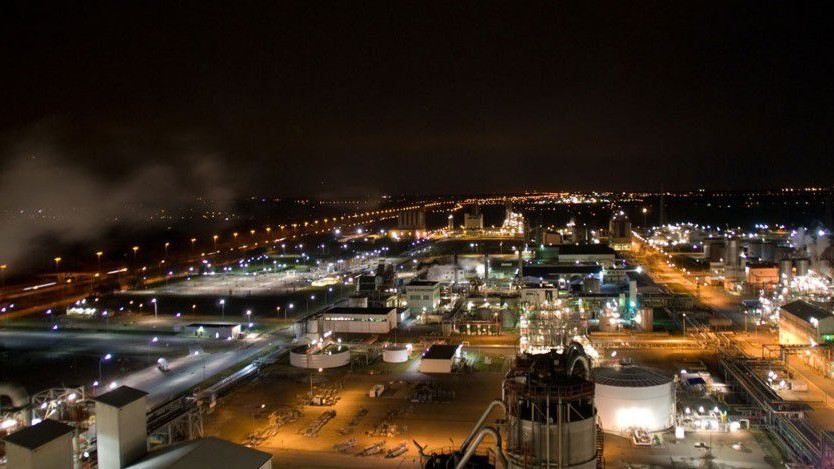
Despite the Iran war and the Hormuz crisis, the Middle East’s low-cost chemicals production is set to retain its long-term advantage over other regions. Near-term shifts in the sourcing of polymers are taking place due to the current constraints in the Persian Gulf’s industrial base, benefiting U.S. chemicals companies. But in the long run, the Middle East is likely to retain its buyers’ base because it still has the two levers to be competitive on the global market—an extensive production base and, most of all, low-cost…