
Pakistan’s Five Refineries Set for $6 Billion Upgrade Push
Five Pakistani oil refineries are poised to sign agreements for a massive upgrade program aimed at boosting domestic fuel quality and reducing dependence on foreign imports.
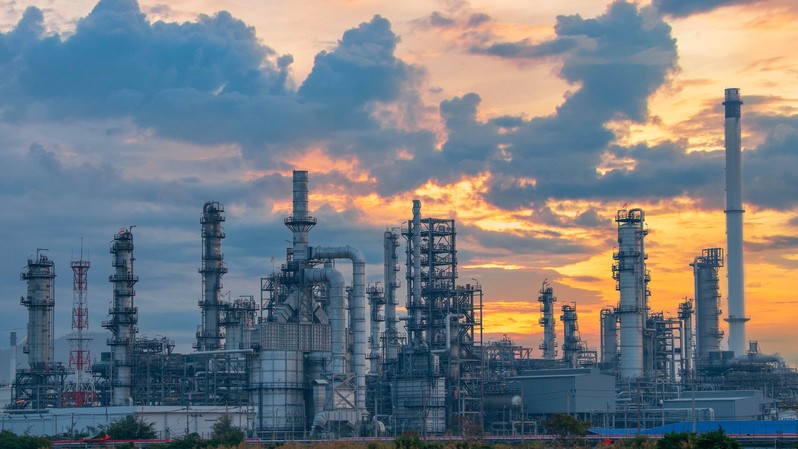
Pakistan’s domestic refining sector is preparing for a significant modernization phase, with five major companies expected to finalize upgrade agreements in early September. According to OilPrice.com, the initiative involves Pak Arab Refinery Limited, Pakistan Refinery Limited, National Refinery Limited, Cnergyico, and Attock Refinery Limited. These companies recently consulted with Federal Minister for Petroleum Ali Pervaiz Malik regarding the national Refinery Upgradation Policy.
The planned upgrades are anticipated to attract approximately $6 billion in investment for the South Asian nation’s energy infrastructure. Minister Malik stated that the modernization effort is designed to transition domestic production toward Euro-5 compliant fuels. These fuels feature ultra-low sulfur content, aligning Pakistan with international standards and strengthening the country's overall energy security objectives by improving domestic supply resilience.
A primary goal of the policy is to lower the country's reliance on expensive fuel imports. Pakistan has recently faced high premiums for petroleum products and LNG due to geopolitical volatility in the Middle East. To mitigate these risks, local refiners have been exploring alternative crude oil sources from regions including Central Asia, Nigeria, and the United States to ensure a more stable supply chain.
In a related effort to bolster domestic energy resources, the Oil and Gas Development Company Limited recently partnered with a Canadian firm. This separate agreement focuses on utilizing specialized technology to increase output from heavy crude oilfields. Together with the refinery upgrades, these moves represent a broader strategy to stabilize Pakistan's energy market amid ongoing disruptions in traditional shipping routes like the Red Sea.
Helena Marsh — Energy Markets Editor. Helena covers crude, refined products and the trading houses that move them, with a focus on price formation in the Mediterranean and Black Sea.
Related coverage
Brent Hits $114 as Houthi Attacks Threaten Saudi Energy Infrastructure
Crude oil prices were on course to book a sharp weekly gain, with Brent crude on track for gains of about $6 per barrel and WTI registering a much more modest tick higher, from around $99 per barrel on Monday to over $100 earlier today. At the time of writing, Brent crude was trading at $114.00 per barrel, and West Texas Intermediate was changing hands for $100.40 per barrel, as hostilities in the Middle East remain front-page news for oil traders. The focus, however, seems to be on Houthi attacks on Saudi infrastructure, including Aramco facilities.…

Why Trump Can't Afford to Lose The Rare Earth Race
For years, the West has searched for a technological escape hatch from rare earths. Engineers have developed new motor designs, alternative magnet chemistries, and materials that reduce or even eliminate the need for some critical minerals. Every time China tightens export controls, those efforts receive another burst of attention. They're worth pursuing. But they don't answer the question manufacturers have to solve today. Production capacity has become the number one scarce asset. That realization is driving one of the most ambitious industrial…
Middle East Chemicals Keep Their Cost Edge Despite Hormuz Crisis
Despite the Iran war and the Hormuz crisis, the Middle East’s low-cost chemicals production is set to retain its long-term advantage over other regions. Near-term shifts in the sourcing of polymers are taking place due to the current constraints in the Persian Gulf’s industrial base, benefiting U.S. chemicals companies. But in the long run, the Middle East is likely to retain its buyers’ base because it still has the two levers to be competitive on the global market—an extensive production base and, most of all, low-cost…