
Russia Eyes Central Asia as a Safe Haven for Its Defense Industry
Moscow seeks to relocate arms production to Kazakhstan and Uzbekistan to shield military infrastructure from ongoing Ukrainian drone strikes.
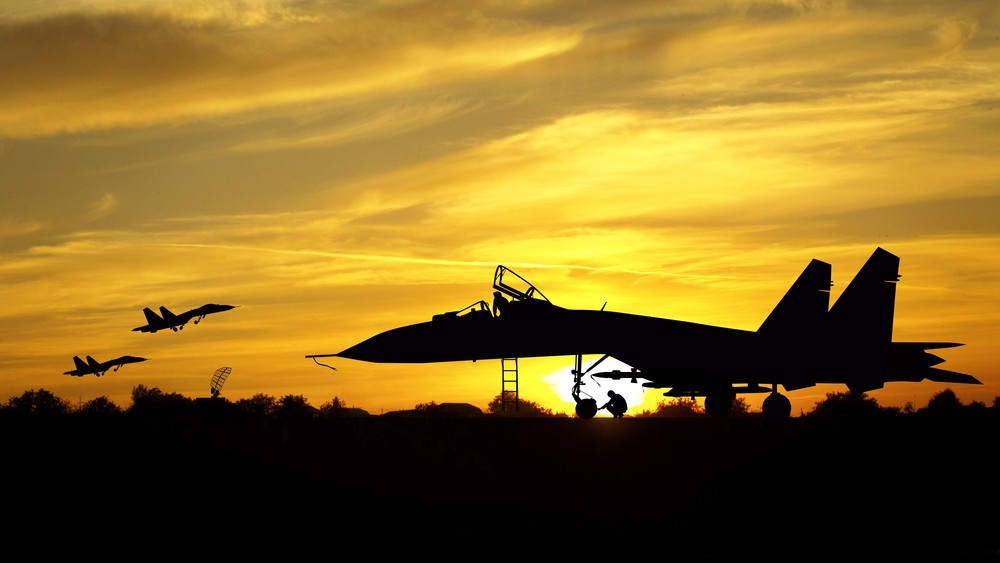
According to a report by OilPrice.com, the Kremlin is exploring deep defense partnerships with Kazakhstan and Uzbekistan to protect its military-industrial complex. By establishing assembly and maintenance lines within Central Asian borders, Russia aims to move production beyond the reach of Ukrainian aerial attacks. Expert analysis suggests Kyiv would likely avoid striking these territories to prevent a significant diplomatic escalation.
The proposed shift would invert the historical regional arms dynamic, potentially turning Russia into an importer of weapons from its neighbors. Facilities such as Kazakhstan's Semey Engineering and Uzbekistan's Chirchik Aircraft Repair Plant already possess the capacity to service military hardware. However, analyst Pavel Baev characterized the strategy to RFE/RL as a "less-than-smart plan" due to the logistical and political hurdles involved.
Leaders in Astana and Tashkent remain cautious, as deepening military ties with Moscow could trigger secondary sanctions from Western powers. While Kazakhstan has stated the proposal is under review, Uzbekistan has not commented. Furthermore, Russia's ability to finance these offshore ventures is in doubt, as recent capital shortages have already forced the delay or cancellation of several major regional energy and infrastructure projects.
Editorial Desk — Trade Flow Insight. Reporting and market notes compiled by the Trade Flow Insight editorial team.
Related coverage
Brent Hits $114 as Houthi Attacks Threaten Saudi Energy Infrastructure
Crude oil prices were on course to book a sharp weekly gain, with Brent crude on track for gains of about $6 per barrel and WTI registering a much more modest tick higher, from around $99 per barrel on Monday to over $100 earlier today. At the time of writing, Brent crude was trading at $114.00 per barrel, and West Texas Intermediate was changing hands for $100.40 per barrel, as hostilities in the Middle East remain front-page news for oil traders. The focus, however, seems to be on Houthi attacks on Saudi infrastructure, including Aramco facilities.…
Why Trump Can't Afford to Lose The Rare Earth Race
For years, the West has searched for a technological escape hatch from rare earths. Engineers have developed new motor designs, alternative magnet chemistries, and materials that reduce or even eliminate the need for some critical minerals. Every time China tightens export controls, those efforts receive another burst of attention. They're worth pursuing. But they don't answer the question manufacturers have to solve today. Production capacity has become the number one scarce asset. That realization is driving one of the most ambitious industrial…
Middle East Chemicals Keep Their Cost Edge Despite Hormuz Crisis
Despite the Iran war and the Hormuz crisis, the Middle East’s low-cost chemicals production is set to retain its long-term advantage over other regions. Near-term shifts in the sourcing of polymers are taking place due to the current constraints in the Persian Gulf’s industrial base, benefiting U.S. chemicals companies. But in the long run, the Middle East is likely to retain its buyers’ base because it still has the two levers to be competitive on the global market—an extensive production base and, most of all, low-cost…