
Sinopec Says China Oil Demand 'Very Likely' Peaked in 2025
China's leading refiner indicates that domestic oil consumption may have reached its summit in 2023, driven by a rapid shift toward electric vehicles and renewable energy sources.

The head of China's largest refining firm, Sinopec, believes the nation's oil requirements likely reached their highest point last year. According to reporting from Rigzone, this assessment moves the projected timeline forward from earlier estimates that suggested a peak would occur in 2027. The shift is attributed to the country's aggressive pursuit of low-carbon objectives and the widespread adoption of cleaner power alternatives.
During an earnings meeting in Hong Kong, Chairman Hou Qijun noted that even if geopolitical tensions in the Middle East subside, consumption is unlikely to return to the levels seen in the previous year. Hou stated that it is "very likely demand peaked last year" despite previous government targets that aimed for a peak within the current five-year plan ending in 2030. This change poses new questions for global crude producers.
Sinopec executives highlighted a significant drop in road fuel usage during the first half of the year, citing high costs and the transition to electric transport. While economic stimulus may temper these declines in the coming months, the company is prioritizing domestic supply stability. The firm has successfully rerouted millions of tons of crude to avoid regional conflicts and maintains a steady inventory for both refining and marketing needs.
Editorial Desk — Trade Flow Insight. Reporting and market notes compiled by the Trade Flow Insight editorial team.
Related coverage
Brent Hits $114 as Houthi Attacks Threaten Saudi Energy Infrastructure
Crude oil prices were on course to book a sharp weekly gain, with Brent crude on track for gains of about $6 per barrel and WTI registering a much more modest tick higher, from around $99 per barrel on Monday to over $100 earlier today. At the time of writing, Brent crude was trading at $114.00 per barrel, and West Texas Intermediate was changing hands for $100.40 per barrel, as hostilities in the Middle East remain front-page news for oil traders. The focus, however, seems to be on Houthi attacks on Saudi infrastructure, including Aramco facilities.…

Why Trump Can't Afford to Lose The Rare Earth Race
For years, the West has searched for a technological escape hatch from rare earths. Engineers have developed new motor designs, alternative magnet chemistries, and materials that reduce or even eliminate the need for some critical minerals. Every time China tightens export controls, those efforts receive another burst of attention. They're worth pursuing. But they don't answer the question manufacturers have to solve today. Production capacity has become the number one scarce asset. That realization is driving one of the most ambitious industrial…
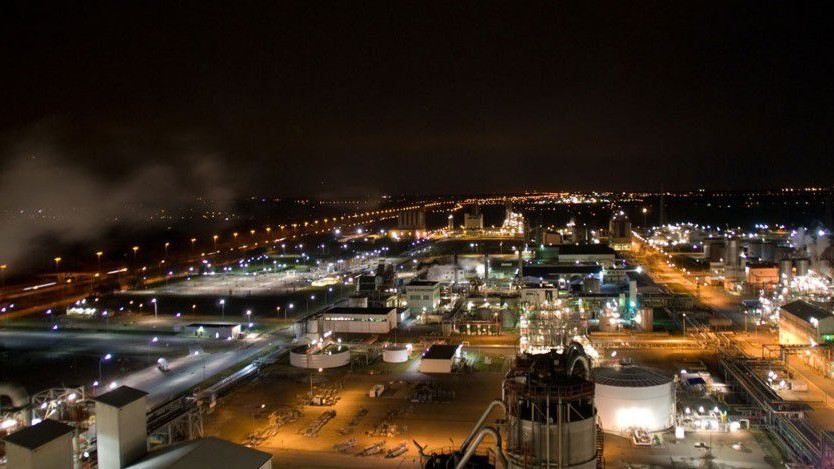
Middle East Chemicals Keep Their Cost Edge Despite Hormuz Crisis
Despite the Iran war and the Hormuz crisis, the Middle East’s low-cost chemicals production is set to retain its long-term advantage over other regions. Near-term shifts in the sourcing of polymers are taking place due to the current constraints in the Persian Gulf’s industrial base, benefiting U.S. chemicals companies. But in the long run, the Middle East is likely to retain its buyers’ base because it still has the two levers to be competitive on the global market—an extensive production base and, most of all, low-cost…