
Ukraine Hits Another Russian Refinery as Fuel Crunch Worsens
Ukrainian drone strikes targeting Russian refining infrastructure have intensified, leading to domestic fuel shortages and casualties in the Krasnodar region.
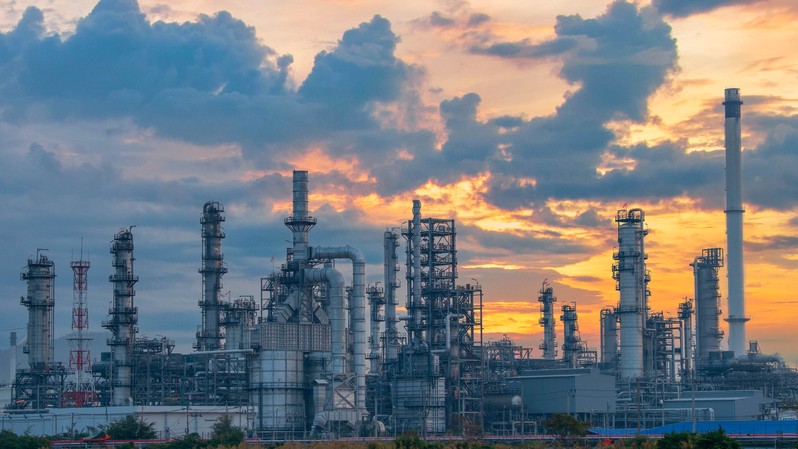
Ukrainian military forces launched a drone strike on the Afipsky refinery in Krasnodar on Monday night, causing a blaze at the facility. According to reporting from OilPrice.com, the attack on the private ForteInvest plant resulted in two fatalities at a nearby train station and caused damage to several residential structures. The 180,000-barrel-per-day refinery has been a frequent target as Kyiv ramps up its campaign against Russian energy infrastructure.
The ongoing wave of aerial assaults has triggered a significant fuel crisis across Russia, manifesting in regional rationing and supply depletion at urban filling stations. By striking processing plants located as far as 1,000 miles from the border, Ukraine aims to disrupt logistics for frontline military operations and strain the domestic economy. These disruptions have contributed to a sharp decline in Russian diesel and gasoil exports this month.
In response to the tightening market, Deputy Prime Minister Alexander Novak noted that several facilities have completed repairs and are returning to service. Novak indicated that the restoration of these refineries "could soon raise supply on the domestic market," as Moscow attempts to stabilize internal fuel availability. However, the combination of local refining outages and international supply shifts continues to pressure the global middle distillate sector.
Editorial Desk — Trade Flow Insight. Reporting and market notes compiled by the Trade Flow Insight editorial team.
Related coverage
Brent Hits $114 as Houthi Attacks Threaten Saudi Energy Infrastructure
Crude oil prices were on course to book a sharp weekly gain, with Brent crude on track for gains of about $6 per barrel and WTI registering a much more modest tick higher, from around $99 per barrel on Monday to over $100 earlier today. At the time of writing, Brent crude was trading at $114.00 per barrel, and West Texas Intermediate was changing hands for $100.40 per barrel, as hostilities in the Middle East remain front-page news for oil traders. The focus, however, seems to be on Houthi attacks on Saudi infrastructure, including Aramco facilities.…

Why Trump Can't Afford to Lose The Rare Earth Race
For years, the West has searched for a technological escape hatch from rare earths. Engineers have developed new motor designs, alternative magnet chemistries, and materials that reduce or even eliminate the need for some critical minerals. Every time China tightens export controls, those efforts receive another burst of attention. They're worth pursuing. But they don't answer the question manufacturers have to solve today. Production capacity has become the number one scarce asset. That realization is driving one of the most ambitious industrial…
Middle East Chemicals Keep Their Cost Edge Despite Hormuz Crisis
Despite the Iran war and the Hormuz crisis, the Middle East’s low-cost chemicals production is set to retain its long-term advantage over other regions. Near-term shifts in the sourcing of polymers are taking place due to the current constraints in the Persian Gulf’s industrial base, benefiting U.S. chemicals companies. But in the long run, the Middle East is likely to retain its buyers’ base because it still has the two levers to be competitive on the global market—an extensive production base and, most of all, low-cost…