
Ukraine Pushes Congress for Russia Sanctions Before Election Recess
Ukrainian officials are urging the U.S. House of Representatives to approve a bipartisan sanctions bill targeting Russian energy exports before lawmakers depart for the election recess.

Kyiv’s top sanctions envoy, Vladyslav Vlasiuk, is lobbying the U.S. Congress to pass the Lindsey O. Graham Sanctioning Russia and Iran Act of 2026. According to OilPrice.com, the legislation would grant the president authority to impose punitive tariffs on nations that continue to purchase Russian fossil fuels. The Senate passed the measure in August with a large bipartisan majority, but the bill now faces a shortened legislative window in the House of Representatives.
The push for a vote comes as House leadership canceled the final two weeks of the pre-election session, leaving members with only a few days of business before departing until mid-November. While the bill remains a Republican priority, some Democrats have raised concerns regarding provisions that would expand presidential tariff powers. Vlasiuk met with approximately 20 lawmakers and aides during his Washington visit to emphasize the urgency of increasing economic pressure on Moscow.
Proponents argue the bill would serve as a "powerful instrument" to curb the evasion of existing measures, specifically targeting energy trade involving China and India. Beyond Russia, the legislation includes provisions directed at Iran due to its military cooperation with the Kremlin. Although the sanctions in this version of the bill are optional rather than mandatory, Ukrainian officials believe the passage of the act would send a critical political signal of support to the Ukrainian people.
Helena Marsh — Energy Markets Editor. Helena covers crude, refined products and the trading houses that move them, with a focus on price formation in the Mediterranean and Black Sea.
Related coverage
Brent Hits $114 as Houthi Attacks Threaten Saudi Energy Infrastructure
Crude oil prices were on course to book a sharp weekly gain, with Brent crude on track for gains of about $6 per barrel and WTI registering a much more modest tick higher, from around $99 per barrel on Monday to over $100 earlier today. At the time of writing, Brent crude was trading at $114.00 per barrel, and West Texas Intermediate was changing hands for $100.40 per barrel, as hostilities in the Middle East remain front-page news for oil traders. The focus, however, seems to be on Houthi attacks on Saudi infrastructure, including Aramco facilities.…

Why Trump Can't Afford to Lose The Rare Earth Race
For years, the West has searched for a technological escape hatch from rare earths. Engineers have developed new motor designs, alternative magnet chemistries, and materials that reduce or even eliminate the need for some critical minerals. Every time China tightens export controls, those efforts receive another burst of attention. They're worth pursuing. But they don't answer the question manufacturers have to solve today. Production capacity has become the number one scarce asset. That realization is driving one of the most ambitious industrial…
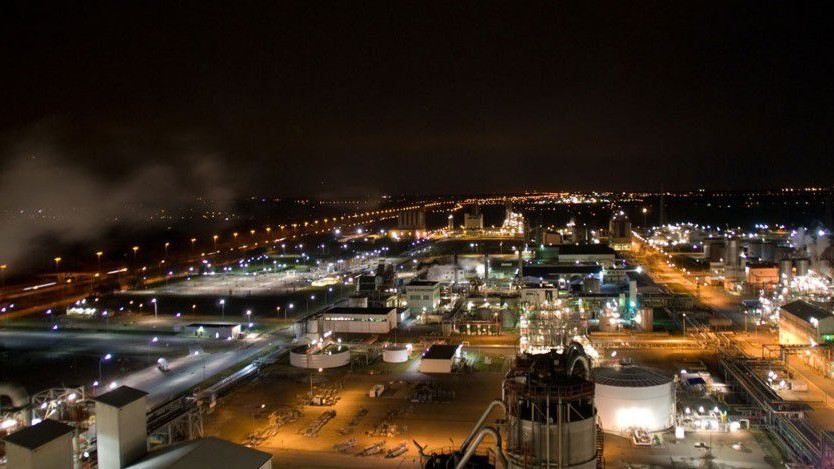
Middle East Chemicals Keep Their Cost Edge Despite Hormuz Crisis
Despite the Iran war and the Hormuz crisis, the Middle East’s low-cost chemicals production is set to retain its long-term advantage over other regions. Near-term shifts in the sourcing of polymers are taking place due to the current constraints in the Persian Gulf’s industrial base, benefiting U.S. chemicals companies. But in the long run, the Middle East is likely to retain its buyers’ base because it still has the two levers to be competitive on the global market—an extensive production base and, most of all, low-cost…