
Commodity Vessel Transits Through Strait of Hormuz Hit Three-Month Low, Data Shows
Shipping data reveals a significant drop in daily commodity vessel transits through the Strait of Hormuz as Iran blacklists dozens of tankers.
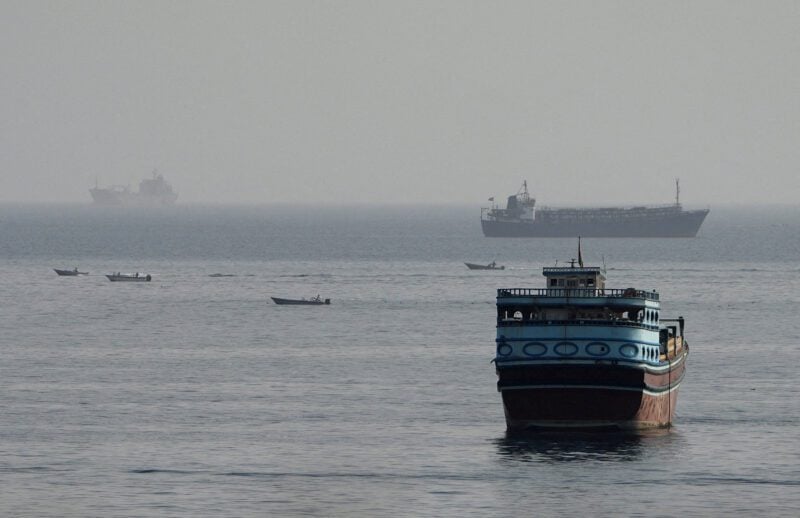
Recent shipping data published by gCaptain indicates that commodity vessel traffic through the Strait of Hormuz reached its lowest point since May. On a recent Monday, only two tankers passed through the critical energy corridor, a sharp decline from the ten-day average of fourteen vessels. The recorded traffic consisted of a single very large crude carrier and one gas carrier entering the waterway.
This slowdown coincides with Iran blacklisting 45 tankers for allegedly violating transit regulations six months into a regional conflict. Tehran has threatened to intervene against these specific ships, particularly those conducting transfers at sea. Vortexa analyst Xavier Tang noted that it is uncertain how local authorities will compel these vessels to follow the new rules, adding that additional conflict could further impact passage.
Economic tensions are also rising as the United States introduces new sanctions intended to isolate the Iranian economy. While Iran expressed confidence that its trading partners would ignore these restrictions, U.S. officials warned that nations continuing to trade with Tehran risk losing access to dollar-based finance. Before current hostilities, the strait handled approximately 20 percent of the world's crude oil and liquefied natural gas.
Editorial Desk — Trade Flow Insight. Reporting and market notes compiled by the Trade Flow Insight editorial team.
Related coverage

FMCSA’s Elison addresses Motus again, still no date on full repair
Chattanooga–It hasn’t been that long–less than a month–since Jesse Elison spoke to an industry event and addressed the issue of the beleaguered new Motus registration system. The deputy administrator of the Federal Motor Carrier Safety Administration (FMCSA) spoke Monday at FreightWaves’ Broker Compliance Symposium, one of two one-day sessions that serve as a prelude to the larger Future of Freight Festival here that begins Tuesday The biggest news in his presentation was really no news: after saying at the National Motor Freight Traffic Association in early October that FMCSA was “weeks away”

Mexican truckers launch national strike over highway security, rising costs
Mexican trucking companies launched an indefinite nationwide strike Monday protesting highway insecurity, cargo theft, extortion and rising operating costs, with demonstrations planned in major freight hubs along the U.S.-Mexico border. The strike, organized by the National Chamber of Freight Transportation (CANACAR) and other trucking organizations, calls for demonstrations across Mexico, including Nuevo Laredo, Reynosa, Monterrey, Tijuana and Mexico City. The protests could disrupt freight transportation through some of North America’s busiest commercial corridors, particularly in Nuevo Lare

Trump Administration Unveils Seafood Strategy to Boost U.S. Fishing Fleet and Domestic Production
The Trump administration on Friday unveiled its America First Seafood Strategy, outlining plans to strengthen the U.S. commercial fishing industry through regulatory reform, investment in fishing vessels and shoreside infrastructure,...