
Ecuador Says US Sinkings Of Vessels Were Part Of Joint Anti-Drug Probe
Ecuadorian officials have defended the U.S. Navy's destruction of three regional vessels following claims they were providing logistical support to international drug trafficking cartels.
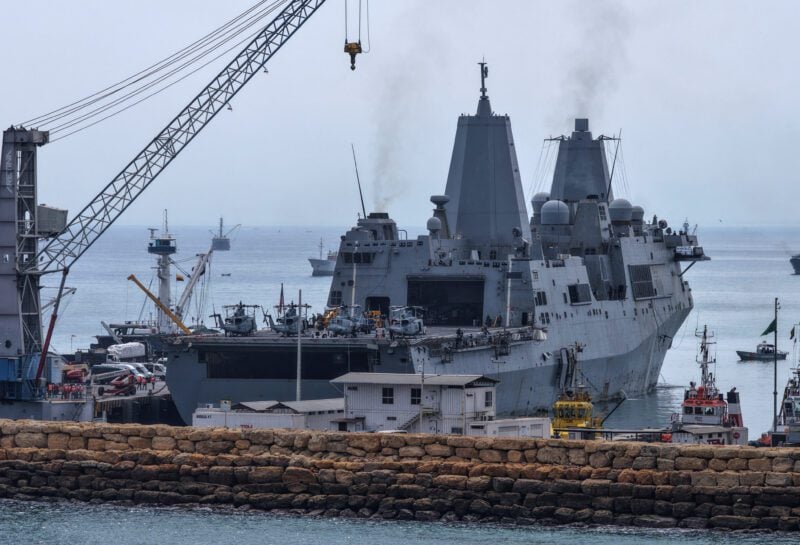
The government of Ecuador has formally supported the recent interception and sinking of three domestic vessels by United States forces, according to a report from gCaptain. Officials stated the operations were the result of a coordinated bilateral investigation aimed at dismantling the logistical networks used by criminal organizations to move narcotics through the eastern Pacific toward North American markets.
Interior Minister John Reimberg explained to local media that the targeted boats functioned as mobile refueling stations. These maritime outposts are designed to extend the range of high-speed vessels transporting illicit cargo. The U.S. Southern Command reinforced this assessment, alleging the vessels were specifically assisting the Los Choneros gang. Military footage released recently showed operatives boarding a ship before its tactical destruction at sea.
While the government maintains the legality of the mission, family members of the detained mariners have challenged the official narrative. One relative claimed the crews were engaged in legitimate fishing activities and that no narcotics were discovered onboard during the boarding. These individuals further alleged that the interception occurred within Ecuadorian territorial waters rather than in international seas as suggested by military authorities.
Data provided by the Ecuadorian Navy confirms that dozens of crew members from vessels named Conquista II and OM2 have been returned to the port of Manta. In total, 36 individuals were accounted for following the operations. The incident highlights ongoing tensions regarding the use of lethal force during maritime interdiction efforts and the broader U.S. strategy to combat drug trafficking in Latin American waters.
Helena Marsh — Energy Markets Editor. Helena covers crude, refined products and the trading houses that move them, with a focus on price formation in the Mediterranean and Black Sea.
Related coverage

FMCSA’s Elison addresses Motus again, still no date on full repair
Chattanooga–It hasn’t been that long–less than a month–since Jesse Elison spoke to an industry event and addressed the issue of the beleaguered new Motus registration system. The deputy administrator of the Federal Motor Carrier Safety Administration (FMCSA) spoke Monday at FreightWaves’ Broker Compliance Symposium, one of two one-day sessions that serve as a prelude to the larger Future of Freight Festival here that begins Tuesday The biggest news in his presentation was really no news: after saying at the National Motor Freight Traffic Association in early October that FMCSA was “weeks away”

Mexican truckers launch national strike over highway security, rising costs
Mexican trucking companies launched an indefinite nationwide strike Monday protesting highway insecurity, cargo theft, extortion and rising operating costs, with demonstrations planned in major freight hubs along the U.S.-Mexico border. The strike, organized by the National Chamber of Freight Transportation (CANACAR) and other trucking organizations, calls for demonstrations across Mexico, including Nuevo Laredo, Reynosa, Monterrey, Tijuana and Mexico City. The protests could disrupt freight transportation through some of North America’s busiest commercial corridors, particularly in Nuevo Lare

Trump Administration Unveils Seafood Strategy to Boost U.S. Fishing Fleet and Domestic Production
The Trump administration on Friday unveiled its America First Seafood Strategy, outlining plans to strengthen the U.S. commercial fishing industry through regulatory reform, investment in fishing vessels and shoreside infrastructure,...