
ENGINE: East of Suez Fuel Availability Outlook
Bunker fuel supplies are tightening across major East of Suez hubs due to production shortages, refinery limits, and severe weather disruptions.
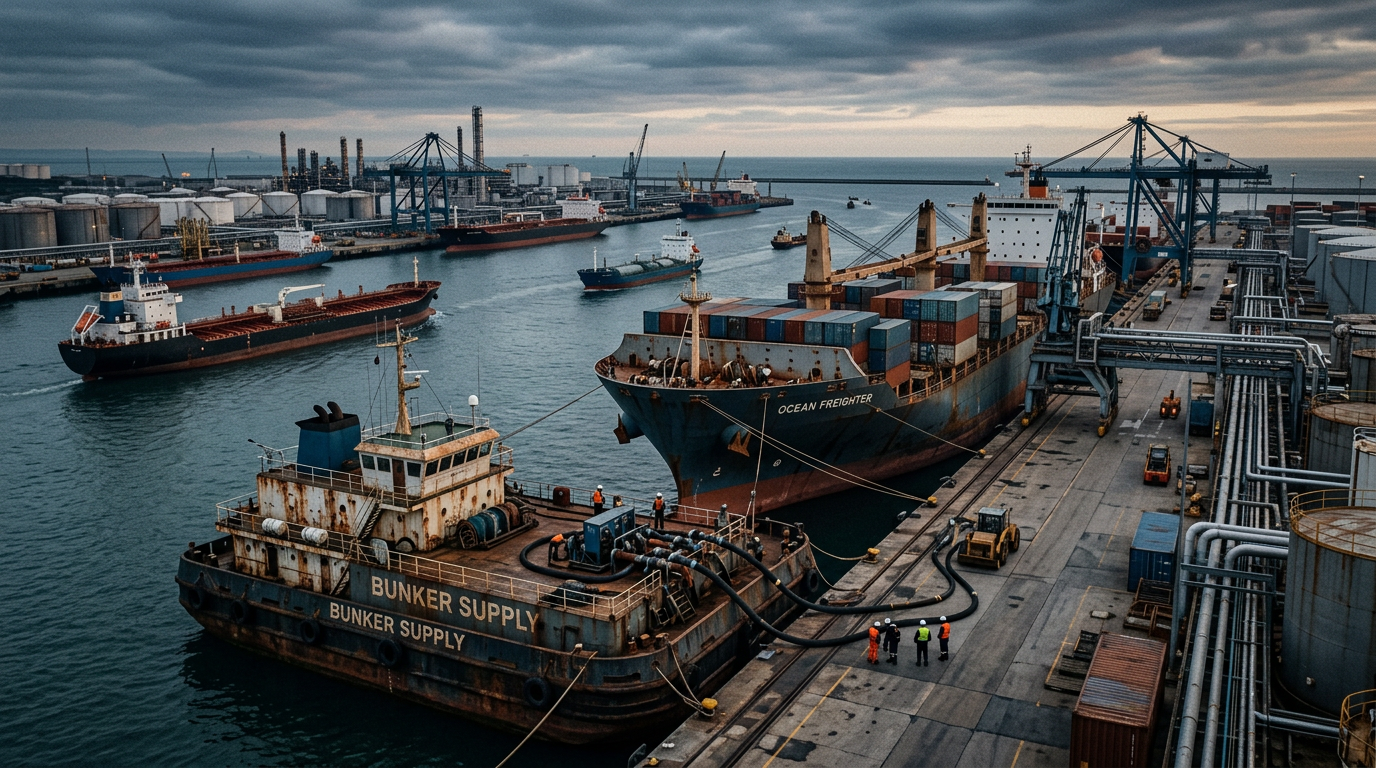
Singapore is experiencing significant pressure on fuel availability, with Very Low Sulphur Fuel Oil lead times stretching up to 19 days for some suppliers. According to Hellenic Shipping News, this tightening is caused by a drop in supply and a lack of necessary blending components. Port inventories have recently dipped below 19 million barrels, while stockpiles for other middle distillates have also trended lower this month.
Operations in East Asia face heavy disruptions from active cyclones and typhoons. Zhoushan has seen bunkering suspended at outer anchorages due to rough seas, creating backlogs that have pushed lead times to 10 days for all fuel grades. This regional instability has redirected buyers to South Korean ports, where increased demand has caused delivery windows to widen to as much as 11 days at western and southern hubs.
The supply outlook in Japan is described as severely constrained as refineries limit cargo releases following a recent period of high demand. Meanwhile, Middle Eastern hubs like Fujairah are dealing with tight availability for VLSFO and LSMGO amid regional geopolitical tensions. While Saudi Arabian ports remain steady, Egyptian hubs like Port Suez are reporting critically low inventories across all major conventional fuel categories.
In Oceania, bunker conditions remain varied. Western Australian ports report stable availability with roughly seven-day lead times, though pipeline deliveries at Dampier face an extended suspension for repairs. New Zealand ports currently maintain ready supply, but operational risks remain tied to local weather patterns. Throughout South Asia, including India and Sri Lanka, intermittent weather disruptions are expected to delay deliveries through the end of August.
Editorial Desk — Trade Flow Insight. Reporting and market notes compiled by the Trade Flow Insight editorial team.
Related coverage

FMCSA’s Elison addresses Motus again, still no date on full repair
Chattanooga–It hasn’t been that long–less than a month–since Jesse Elison spoke to an industry event and addressed the issue of the beleaguered new Motus registration system. The deputy administrator of the Federal Motor Carrier Safety Administration (FMCSA) spoke Monday at FreightWaves’ Broker Compliance Symposium, one of two one-day sessions that serve as a prelude to the larger Future of Freight Festival here that begins Tuesday The biggest news in his presentation was really no news: after saying at the National Motor Freight Traffic Association in early October that FMCSA was “weeks away”

Mexican truckers launch national strike over highway security, rising costs
Mexican trucking companies launched an indefinite nationwide strike Monday protesting highway insecurity, cargo theft, extortion and rising operating costs, with demonstrations planned in major freight hubs along the U.S.-Mexico border. The strike, organized by the National Chamber of Freight Transportation (CANACAR) and other trucking organizations, calls for demonstrations across Mexico, including Nuevo Laredo, Reynosa, Monterrey, Tijuana and Mexico City. The protests could disrupt freight transportation through some of North America’s busiest commercial corridors, particularly in Nuevo Lare

Trump Administration Unveils Seafood Strategy to Boost U.S. Fishing Fleet and Domestic Production
The Trump administration on Friday unveiled its America First Seafood Strategy, outlining plans to strengthen the U.S. commercial fishing industry through regulatory reform, investment in fishing vessels and shoreside infrastructure,...