
Google Maps Just Launched Truck-Aware Routing That Knows About Low Bridges and Weight Limits. Here Is What It Means, and What It Does Not.
Google Maps Platform has released Large Vehicle Routing to help commercial fleets avoid low bridges and weight-restricted roads through specialized developer tools.
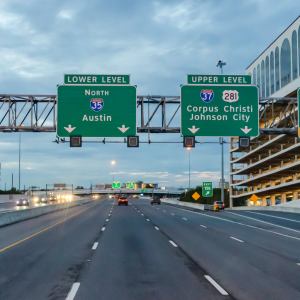
Google has launched Large Vehicle Routing to address the common industry problem of commercial drivers being misdirected by consumer-grade navigation apps. According to FreightWaves, this new technology is designed to prevent accidents such as bridge strikes and weight limit violations. By utilizing specialized road data, the system helps large vehicles navigate paths that are physically safe and legally compliant for their specific dimensions.
The technology is currently available as a suite of developer tools, including the Routes API and a Navigation SDK. Rather than a standalone mobile app for consumers, these components allow software companies to integrate truck-specific navigation into their own professional fleet management platforms. This allows for the creation of precise vehicle profiles that account for a truck's height, width, weight, axle count, and any hazardous materials on board.
The system provides updated arrival estimates based on observed truck speeds rather than passenger car traffic patterns. It also features a "route token" designed to synchronize the directions viewed by office dispatchers with what the driver sees on their in-cab display. Google Maps Platform product manager Mohit Moondra described the offering as a version of the company's routing technology built specifically for the requirements of commercial buses and trucks.
While the entry of a major technology firm into the trucking sector signals increased competition, the tools are intended to support rather than replace driver intuition. The new APIs aim to reduce the manual checks often required by fleet managers while improving overall safety. However, the practical benefits for most operators will depend on how quickly third-party telematics and dispatch software providers choose to incorporate these new Google capabilities into their products.
Editorial Desk — Trade Flow Insight. Reporting and market notes compiled by the Trade Flow Insight editorial team.
Related coverage

FMCSA’s Elison addresses Motus again, still no date on full repair
Chattanooga–It hasn’t been that long–less than a month–since Jesse Elison spoke to an industry event and addressed the issue of the beleaguered new Motus registration system. The deputy administrator of the Federal Motor Carrier Safety Administration (FMCSA) spoke Monday at FreightWaves’ Broker Compliance Symposium, one of two one-day sessions that serve as a prelude to the larger Future of Freight Festival here that begins Tuesday The biggest news in his presentation was really no news: after saying at the National Motor Freight Traffic Association in early October that FMCSA was “weeks away”

Mexican truckers launch national strike over highway security, rising costs
Mexican trucking companies launched an indefinite nationwide strike Monday protesting highway insecurity, cargo theft, extortion and rising operating costs, with demonstrations planned in major freight hubs along the U.S.-Mexico border. The strike, organized by the National Chamber of Freight Transportation (CANACAR) and other trucking organizations, calls for demonstrations across Mexico, including Nuevo Laredo, Reynosa, Monterrey, Tijuana and Mexico City. The protests could disrupt freight transportation through some of North America’s busiest commercial corridors, particularly in Nuevo Lare

Trump Administration Unveils Seafood Strategy to Boost U.S. Fishing Fleet and Domestic Production
The Trump administration on Friday unveiled its America First Seafood Strategy, outlining plans to strengthen the U.S. commercial fishing industry through regulatory reform, investment in fishing vessels and shoreside infrastructure,...