
In-depth Suezmax study makes CAPEX case for T-BOSS® sterntubeless shaftline system
A study of Suezmax tankers indicates that Thordon Bearings’ T-BOSS shaftline system offers lower capital expenditures and greater design flexibility compared to oil-lubricated setups.
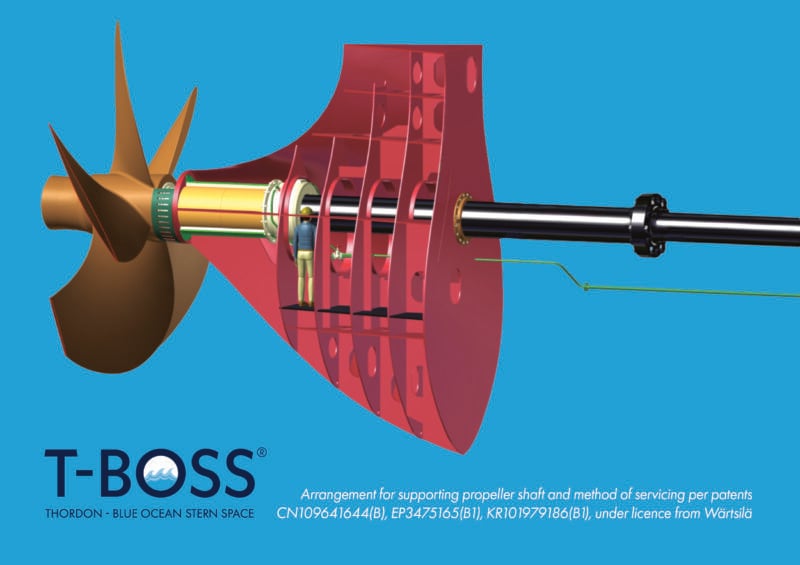
A recent evaluation conducted by Hydrus Engineering and reported by gCaptain highlights the financial and logistical advantages of adopting the T-BOSS sterntubeless shaftline. The study utilized data from a 274-meter Suezmax tanker to compare conventional oil-based systems against seawater-lubricated alternatives. Findings suggest that shipbuilders can reduce labor and installation expenses while gaining significant design flexibility due to a shorter shaft requirements. The research indicates that the system creates approximately 660 cubic meters of additional cargo volume. This extra room allows naval architects to reposition engines or install shaft generators, potentially aiding in carbon credit acquisition. The study notes that these technical advantages allow designers to "enhance layout flexibility at the early newbuild design stage" while simultaneously offering a more efficient stern arrangement to prospective vessel owners. Operating costs are also impacted by the removal of sterntube lubricating oil. Eliminating initial oil purchases and yearly lubricant expenses provides significant savings, while lower friction in polymer bearings further reduces annual fuel costs. Additionally, the system simplifies maintenance by allowing for bearing inspections and replacements while the vessel remains afloat, removing the immediate necessity for drydocking and lowering overall lifecycle expenditures. The T-BOSS solution was a collaborative development involving Thordon Bearings, Wärtsilä, the National Technical University of Athens, and the Shanghai Merchant Ship Design and Research Institute. By removing the risk of oil leakage, the system helps operators meet international environmental mandates without the need for specialized lubricants, positioning the technology as a safer and more economical choice for modern maritime logistics.
Editorial Desk — Trade Flow Insight. Reporting and market notes compiled by the Trade Flow Insight editorial team.
Related coverage

FMCSA’s Elison addresses Motus again, still no date on full repair
Chattanooga–It hasn’t been that long–less than a month–since Jesse Elison spoke to an industry event and addressed the issue of the beleaguered new Motus registration system. The deputy administrator of the Federal Motor Carrier Safety Administration (FMCSA) spoke Monday at FreightWaves’ Broker Compliance Symposium, one of two one-day sessions that serve as a prelude to the larger Future of Freight Festival here that begins Tuesday The biggest news in his presentation was really no news: after saying at the National Motor Freight Traffic Association in early October that FMCSA was “weeks away”

Mexican truckers launch national strike over highway security, rising costs
Mexican trucking companies launched an indefinite nationwide strike Monday protesting highway insecurity, cargo theft, extortion and rising operating costs, with demonstrations planned in major freight hubs along the U.S.-Mexico border. The strike, organized by the National Chamber of Freight Transportation (CANACAR) and other trucking organizations, calls for demonstrations across Mexico, including Nuevo Laredo, Reynosa, Monterrey, Tijuana and Mexico City. The protests could disrupt freight transportation through some of North America’s busiest commercial corridors, particularly in Nuevo Lare

Trump Administration Unveils Seafood Strategy to Boost U.S. Fishing Fleet and Domestic Production
The Trump administration on Friday unveiled its America First Seafood Strategy, outlining plans to strengthen the U.S. commercial fishing industry through regulatory reform, investment in fishing vessels and shoreside infrastructure,...