
Iran’s bottleneck is Hormuz, not the buyer
Iranian crude supplies in Asian waters reached 46 million barrels following a brief U.S. sanctions waiver, as storage levels defied broader regional trends.
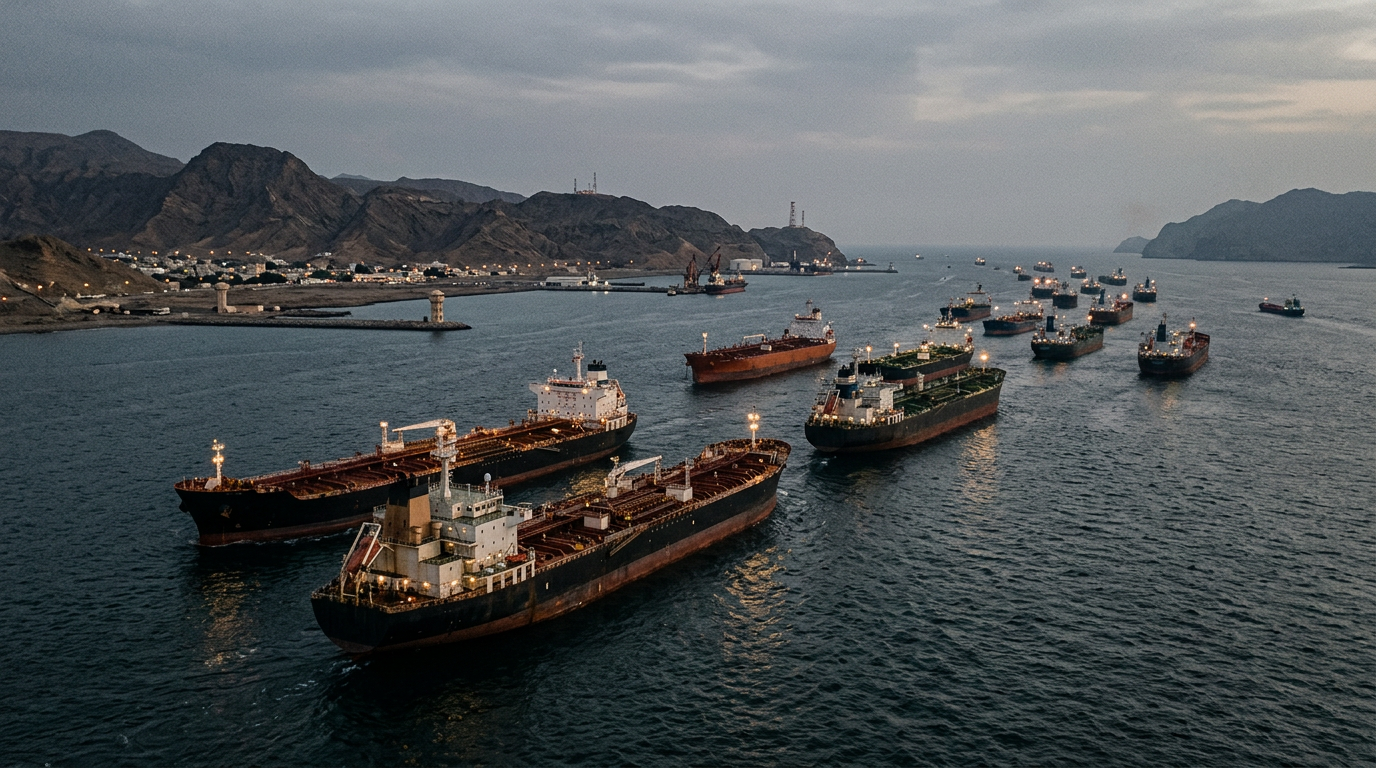
Iranian crude oil volumes sitting in Asian maritime zones have returned to peak levels, totaling 46 million barrels by the end of July. According to Hellenic Shipping News, this accumulation occurred despite a 23.6% decline in total crude on the water across the region between January and July. The surge was accelerated by a three-week sanctions waiver that finalized a refill process already underway since February, contrasting sharply with broader market contractions.
Logistical data indicates that the primary constraint for these supplies is the Strait of Hormuz rather than a lack of market demand. Currently, 76.9 million barrels of Iranian oil are situated across the Gulf region, distributed between the Gulf of Oman and areas west of the strait. Large vessels, particularly Very Large Crude Carriers, dominate the fleet west of the bottleneck, carrying parcels that average 1.77 million barrels as they wait for transit.
Recent shifts in the floating-to-transit ratio suggest that available barrels are being processed as ship-to-ship redistributions rather than static bulk storage. In August, volumes held within Chinese zones dropped by 45%, signaling the first significant discharge of the year. Analysts expect refiners to continue drawing down these commercial inventories over the coming months to bridge feedstock gaps, especially since these nearby supplies can reach Chinese berths in roughly one week.
Editorial Desk — Trade Flow Insight. Reporting and market notes compiled by the Trade Flow Insight editorial team.
Related coverage

FMCSA’s Elison addresses Motus again, still no date on full repair
Chattanooga–It hasn’t been that long–less than a month–since Jesse Elison spoke to an industry event and addressed the issue of the beleaguered new Motus registration system. The deputy administrator of the Federal Motor Carrier Safety Administration (FMCSA) spoke Monday at FreightWaves’ Broker Compliance Symposium, one of two one-day sessions that serve as a prelude to the larger Future of Freight Festival here that begins Tuesday The biggest news in his presentation was really no news: after saying at the National Motor Freight Traffic Association in early October that FMCSA was “weeks away”

Mexican truckers launch national strike over highway security, rising costs
Mexican trucking companies launched an indefinite nationwide strike Monday protesting highway insecurity, cargo theft, extortion and rising operating costs, with demonstrations planned in major freight hubs along the U.S.-Mexico border. The strike, organized by the National Chamber of Freight Transportation (CANACAR) and other trucking organizations, calls for demonstrations across Mexico, including Nuevo Laredo, Reynosa, Monterrey, Tijuana and Mexico City. The protests could disrupt freight transportation through some of North America’s busiest commercial corridors, particularly in Nuevo Lare

Trump Administration Unveils Seafood Strategy to Boost U.S. Fishing Fleet and Domestic Production
The Trump administration on Friday unveiled its America First Seafood Strategy, outlining plans to strengthen the U.S. commercial fishing industry through regulatory reform, investment in fishing vessels and shoreside infrastructure,...