
LNG Shipping: Pacific LNG Trade on the Rise
Intermodal analyst Nikos Tagoulis explores how Mexico's Pacific coast is becoming a strategic gateway for transporting American natural gas to Asian markets.
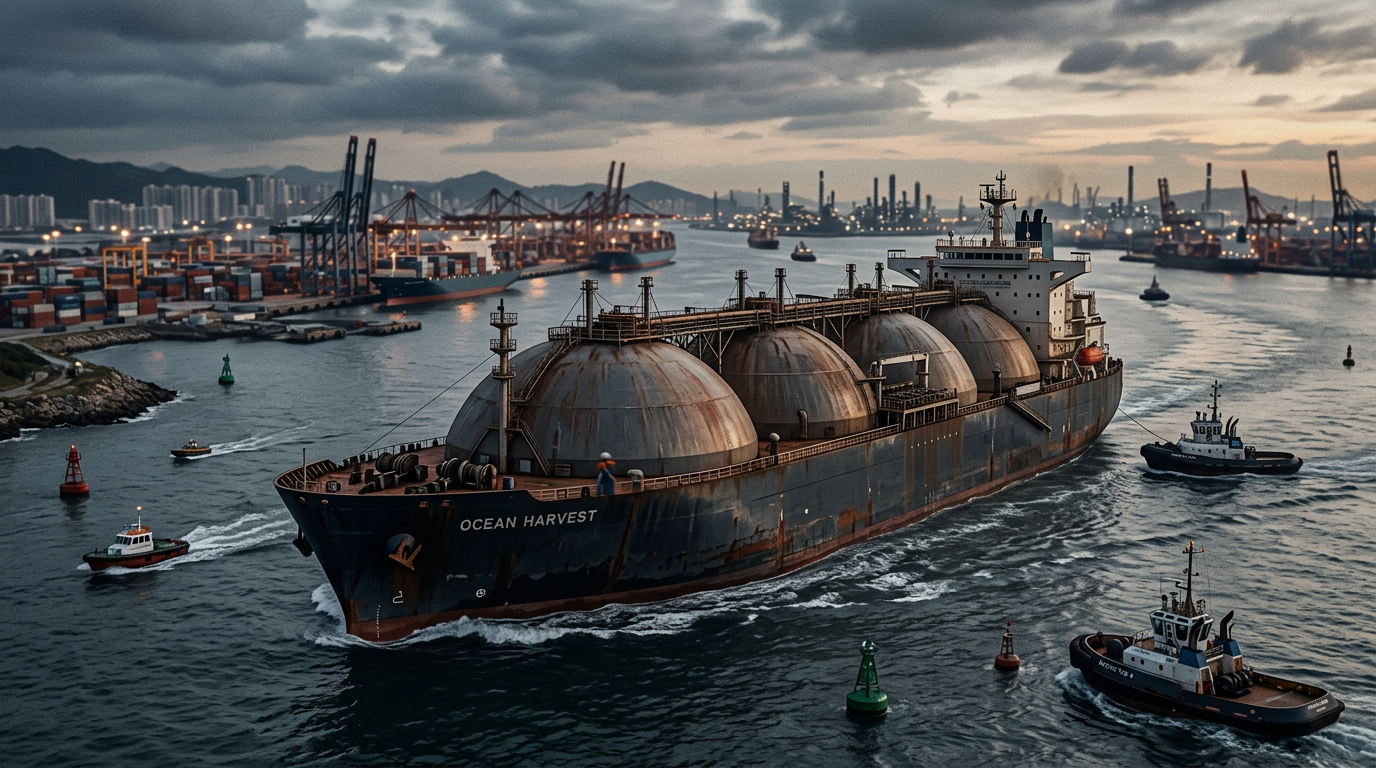
Mexico is positioning itself as a vital conduit for American gas exports, offering a geographical advantage that avoids traditional maritime bottlenecks. According to reporting from Hellenic Shipping News, utilizing West Coast outlets allows shippers to bypass the Panama Canal and avoid long diversions around the Cape of Good Hope. This Pacific-facing strategy significantly lowers transportation expenses and travel times for buyers in Asia by avoiding volatile regions like the Middle East.
Development at the Ensenada terminal remains constrained by existing import and regasification obligations through 2028, according to analyst Nikos Tagoulis. While the site adds liquefaction capabilities to established infrastructure, its immediate export volumes will stay modest to avoid interfering with current functions. Tagoulis noted that these structural limitations mean large-scale growth at this specific location is likely a "longer-term prospect" despite its current strategic value in the Pacific Basin.
Further south, the AMIGO LNG floating terminal near Sonora is moving toward a final investment decision. Expected to begin operations in 2028, the project could handle millions of tonnes annually using feedstock from the United States. This facility would allow American gas to compete more effectively with Canadian exports on the West Coast. While these shorter routes generate fewer tonne-miles for the shipping industry, they enhance regional energy security and could free up Atlantic supply for European consumers.
Editorial Desk — Trade Flow Insight. Reporting and market notes compiled by the Trade Flow Insight editorial team.
Related coverage

FMCSA’s Elison addresses Motus again, still no date on full repair
Chattanooga–It hasn’t been that long–less than a month–since Jesse Elison spoke to an industry event and addressed the issue of the beleaguered new Motus registration system. The deputy administrator of the Federal Motor Carrier Safety Administration (FMCSA) spoke Monday at FreightWaves’ Broker Compliance Symposium, one of two one-day sessions that serve as a prelude to the larger Future of Freight Festival here that begins Tuesday The biggest news in his presentation was really no news: after saying at the National Motor Freight Traffic Association in early October that FMCSA was “weeks away”

Mexican truckers launch national strike over highway security, rising costs
Mexican trucking companies launched an indefinite nationwide strike Monday protesting highway insecurity, cargo theft, extortion and rising operating costs, with demonstrations planned in major freight hubs along the U.S.-Mexico border. The strike, organized by the National Chamber of Freight Transportation (CANACAR) and other trucking organizations, calls for demonstrations across Mexico, including Nuevo Laredo, Reynosa, Monterrey, Tijuana and Mexico City. The protests could disrupt freight transportation through some of North America’s busiest commercial corridors, particularly in Nuevo Lare

Trump Administration Unveils Seafood Strategy to Boost U.S. Fishing Fleet and Domestic Production
The Trump administration on Friday unveiled its America First Seafood Strategy, outlining plans to strengthen the U.S. commercial fishing industry through regulatory reform, investment in fishing vessels and shoreside infrastructure,...