
New plan for NYC’s BQE involves temporary roads: Mamdani
Mayor Mamdani reveals a plan to rehabilitate the Brooklyn Queens Expressway by utilizing temporary bypass roads to maintain freight flow through 2040.
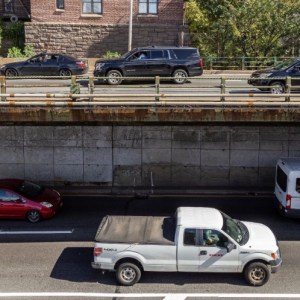
New York City Mayor Zohran Mamdani has introduced a proposal to rehabilitate a critical 1.5-mile stretch of the Brooklyn Queens Expressway known as BQE Central. According to FreightWaves, the plan focuses on repairing the cantilevered portion of the highway, which currently handles approximately 13,000 to 14,000 heavy-duty trucks each day. The project aims to address long-standing structural deterioration while ensuring the corridor remains open to essential commercial traffic.
A central feature of this strategy is the construction of temporary two-level bypass roadways. These structures will be situated over Furman Street and above existing highway sections to divert vehicles during the construction phase. The city Department of Transportation intends to fix joints, decks, and lighting without expanding the current two-lane configuration or altering existing interchanges. These temporary bypasses will be dismantled once the primary rehabilitation work is finished.
The Trucking Association of New York expressed support for the initiative, noting that without immediate action, the city faced the possibility of banning trucks from the vital artery. The project is expected to add 40 years of service life to the structure while allowing for potential future redesigns. Work is scheduled to begin in 2030 following an environmental review process, with Mamdani stating the city is finally ready to "get to work" on the infrastructure crisis.
Local officials estimate the ongoing delay in addressing these repairs costs the city roughly $160 million annually. By implementing the temporary roads, the administration hopes to avoid the community backlash triggered by previous proposals that threatened public spaces like the Brooklyn Heights Promenade. Enforcement of vehicle weight limits will remain in effect throughout the duration of the environmental review and subsequent construction.
Editorial Desk — Trade Flow Insight. Reporting and market notes compiled by the Trade Flow Insight editorial team.
Related coverage

FMCSA’s Elison addresses Motus again, still no date on full repair
Chattanooga–It hasn’t been that long–less than a month–since Jesse Elison spoke to an industry event and addressed the issue of the beleaguered new Motus registration system. The deputy administrator of the Federal Motor Carrier Safety Administration (FMCSA) spoke Monday at FreightWaves’ Broker Compliance Symposium, one of two one-day sessions that serve as a prelude to the larger Future of Freight Festival here that begins Tuesday The biggest news in his presentation was really no news: after saying at the National Motor Freight Traffic Association in early October that FMCSA was “weeks away”

Mexican truckers launch national strike over highway security, rising costs
Mexican trucking companies launched an indefinite nationwide strike Monday protesting highway insecurity, cargo theft, extortion and rising operating costs, with demonstrations planned in major freight hubs along the U.S.-Mexico border. The strike, organized by the National Chamber of Freight Transportation (CANACAR) and other trucking organizations, calls for demonstrations across Mexico, including Nuevo Laredo, Reynosa, Monterrey, Tijuana and Mexico City. The protests could disrupt freight transportation through some of North America’s busiest commercial corridors, particularly in Nuevo Lare

Trump Administration Unveils Seafood Strategy to Boost U.S. Fishing Fleet and Domestic Production
The Trump administration on Friday unveiled its America First Seafood Strategy, outlining plans to strengthen the U.S. commercial fishing industry through regulatory reform, investment in fishing vessels and shoreside infrastructure,...