
Trans-Pacific shippers ‘leaving money on the table,’ says analyst
Xeneta analysis suggests trans-Pacific importers could achieve major cost reductions by rerouting cargo through U.S. West Coast gateways as price gaps with East Coast routes widen.
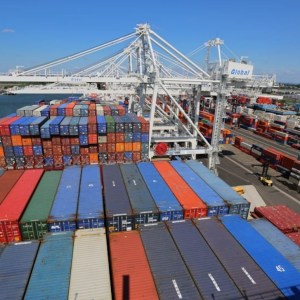
According to reporting by FreightWaves, cargo owners may be overlooking substantial savings by favoring East Coast ports over West Coast alternatives. Xeneta Chief Analyst Peter Sand notes that despite the need for additional rail or truck transport to reach inland destinations, the current price discrepancy makes Pacific gateways a financially superior choice for those with flexible logistics chains.
Data from the week of August 21 shows that shipping a forty-foot equivalent unit from Asia to the U.S. East Coast now costs $10,527, while rates to the West Coast sit at $7,193. This price gap of $3,334 is now larger than the entire cost of shipping a container to either coast prior to the onset of the Middle East crisis in late February.
Market volatility in the U.S. persists as carriers capitalize on robust demand and reduced sailing schedules, pushing East Coast spot rates up nearly 300% from pre-crisis levels. Additional disruptions, including typhoon-related congestion at Asian hubs, continue to impact schedule reliability and pricing structures across the trans-Pacific trade lane.
Sand suggests that shippers look to the European market for leverage, as rates into the Mediterranean and North Europe have begun to soften. He observes that while U.S. rates remain on an upward trajectory, the cooling European market indicates that "carriers are not invincible" and provides a potential framework for importers to negotiate more favorable terms.
Editorial Desk — Trade Flow Insight. Reporting and market notes compiled by the Trade Flow Insight editorial team.
Related coverage

FMCSA’s Elison addresses Motus again, still no date on full repair
Chattanooga–It hasn’t been that long–less than a month–since Jesse Elison spoke to an industry event and addressed the issue of the beleaguered new Motus registration system. The deputy administrator of the Federal Motor Carrier Safety Administration (FMCSA) spoke Monday at FreightWaves’ Broker Compliance Symposium, one of two one-day sessions that serve as a prelude to the larger Future of Freight Festival here that begins Tuesday The biggest news in his presentation was really no news: after saying at the National Motor Freight Traffic Association in early October that FMCSA was “weeks away”

Mexican truckers launch national strike over highway security, rising costs
Mexican trucking companies launched an indefinite nationwide strike Monday protesting highway insecurity, cargo theft, extortion and rising operating costs, with demonstrations planned in major freight hubs along the U.S.-Mexico border. The strike, organized by the National Chamber of Freight Transportation (CANACAR) and other trucking organizations, calls for demonstrations across Mexico, including Nuevo Laredo, Reynosa, Monterrey, Tijuana and Mexico City. The protests could disrupt freight transportation through some of North America’s busiest commercial corridors, particularly in Nuevo Lare

Trump Administration Unveils Seafood Strategy to Boost U.S. Fishing Fleet and Domestic Production
The Trump administration on Friday unveiled its America First Seafood Strategy, outlining plans to strengthen the U.S. commercial fishing industry through regulatory reform, investment in fishing vessels and shoreside infrastructure,...