
Turning policy into steel. Turning vision into ships
The U.S. Maritime Administration and CORE POWER have established a new cooperation framework to develop a domestic fleet of nuclear-powered merchant vessels.
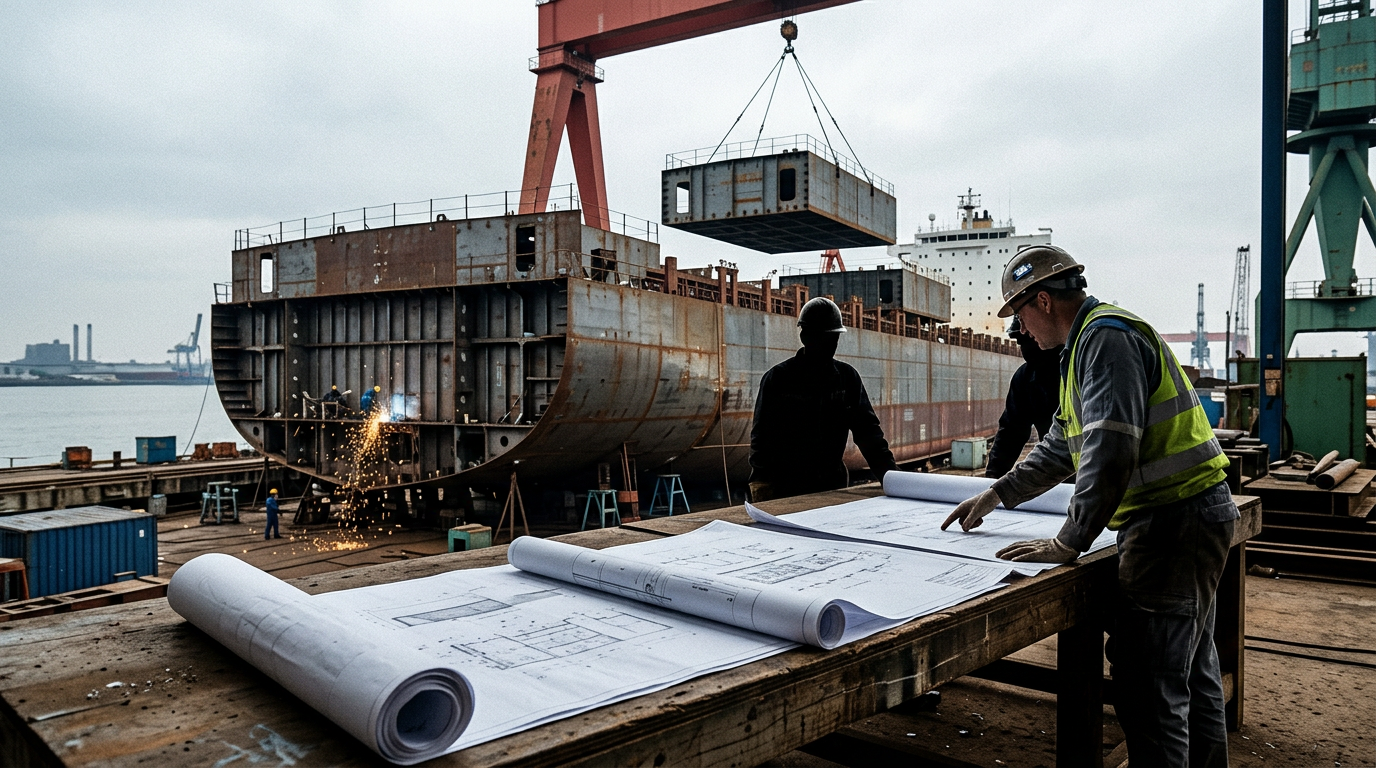
The United States Maritime Administration and CORE POWER (US) Inc. have entered into a formal cooperation agreement to develop a commercial pathway for nuclear-powered merchant ships. According to Hellenic Shipping News, this federal-private partnership aims to establish the regulatory and industrial infrastructure required for a U.S.-flagged nuclear fleet. The initiative is part of a broader strategy to revitalize the American maritime sector and regain global competitiveness.
The program is designed to counter the maritime dominance of China, which is currently investing in nuclear manufacturing and merchant ship concepts. CORE POWER intends to begin construction on these specialized vessels by 2028. To accelerate production, the plan involves utilizing shipbuilding capacity from allies in Japan and Korea for conventional hulls while focusing high-end nuclear integration and lifecycle support within the United States.
Nuclear propulsion offers significant operational advantages over traditional vessels by providing high power for several years without refueling and eliminating engine emissions. Maritime Administrator Stephen M. Carmel noted that this technology represents a major commercial opportunity that requires a complete system that is "safe, secure, licensable, and investable." This framework will address challenges regarding port operations, insurance, and workforce credentialing.
A dedicated domestic shipyard is planned to handle the installation of reactors, fueling, and long-term maintenance. This facility is expected to strengthen the broader industrial base by expanding the supply chain and the number of qualified nuclear engineers. The agreement aligns with the current administration's Maritime Action Plan to mobilize private investment and ensure national energy and maritime security.
Editorial Desk — Trade Flow Insight. Reporting and market notes compiled by the Trade Flow Insight editorial team.
Related coverage

FMCSA’s Elison addresses Motus again, still no date on full repair
Chattanooga–It hasn’t been that long–less than a month–since Jesse Elison spoke to an industry event and addressed the issue of the beleaguered new Motus registration system. The deputy administrator of the Federal Motor Carrier Safety Administration (FMCSA) spoke Monday at FreightWaves’ Broker Compliance Symposium, one of two one-day sessions that serve as a prelude to the larger Future of Freight Festival here that begins Tuesday The biggest news in his presentation was really no news: after saying at the National Motor Freight Traffic Association in early October that FMCSA was “weeks away”

Mexican truckers launch national strike over highway security, rising costs
Mexican trucking companies launched an indefinite nationwide strike Monday protesting highway insecurity, cargo theft, extortion and rising operating costs, with demonstrations planned in major freight hubs along the U.S.-Mexico border. The strike, organized by the National Chamber of Freight Transportation (CANACAR) and other trucking organizations, calls for demonstrations across Mexico, including Nuevo Laredo, Reynosa, Monterrey, Tijuana and Mexico City. The protests could disrupt freight transportation through some of North America’s busiest commercial corridors, particularly in Nuevo Lare

Trump Administration Unveils Seafood Strategy to Boost U.S. Fishing Fleet and Domestic Production
The Trump administration on Friday unveiled its America First Seafood Strategy, outlining plans to strengthen the U.S. commercial fishing industry through regulatory reform, investment in fishing vessels and shoreside infrastructure,...